
Tire Care From the Ground Up
Rotation, pressure, tread depth, and alignment — a complete walkthrough of what tire maintenance involves and why each step matters.
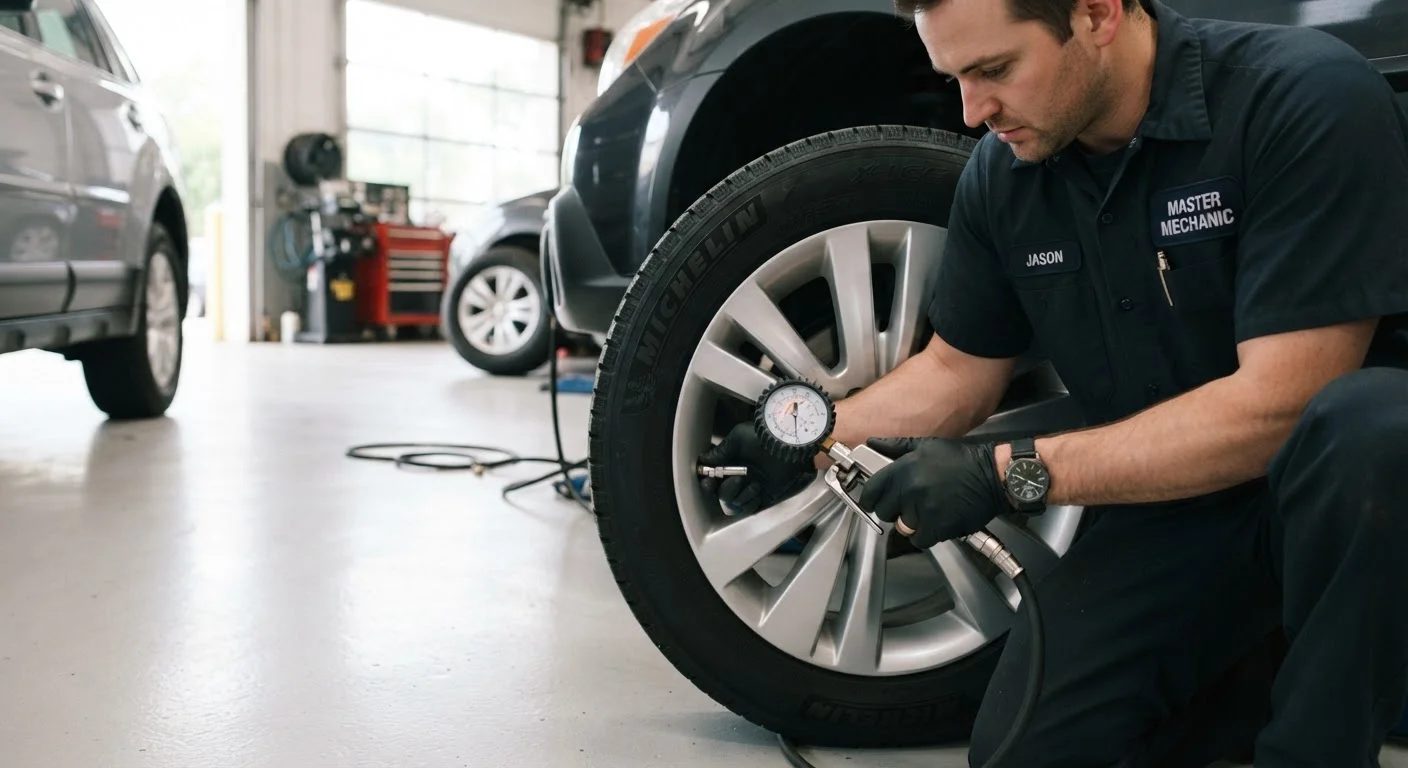
Photo: ReadersChronicle.com | Your Comprehensive Learning Destination editorial
—— In This Article
- Why Tire Maintenance Matters More Than Most Drivers Realize
- Tire Pressure: The One Check You Should Never Skip
- Tread Depth: Knowing When Your Tires Are Done
- Tire Rotation: Why Position on the Car Matters
- Wheel Alignment and Balancing: What They Do and When You Need Them
- Putting It All Together: A Simple Tire Care Schedule
Key Takeaways
- Check tire pressure monthly - temperature changes cause significant pressure fluctuations.
- Rotate tires every 5,000-7,500 miles to prevent uneven wear.
- The penny test is a quick way to gauge tread depth at home.
- Misaligned wheels cost you fuel efficiency and shorten tire life.
- Catching tire problems early is far cheaper than replacing a set prematurely.
Why Tire Maintenance Matters More Than Most Drivers Realize
Tires are the only part of your vehicle actually touching the road, yet they're often the last thing drivers think about until something goes wrong. A flat or blowout gets attention. Everything else - slow pressure loss, uneven wear, gradual alignment drift - tends to happen quietly until it becomes expensive or dangerous.
The good news is that tire maintenance is mostly simple and inexpensive when handled consistently. If you're building out your overall vehicle upkeep routine, the Car Maintenance for New Drivers guide lays a solid foundation alongside the specifics covered here.
~$0.31/gal
Fuel wasted per PSI of underinflation
The U.S. Department of Energy estimates that underinflated tires reduce fuel economy by roughly 0.2% per PSI below the recommended level.
2/32"
Legal minimum tread depth in most US states
Most states set the legal wear limit at 2/32 of an inch, though safety experts often recommend replacement at 4/32" for adequate wet-road traction.
1 PSI
Pressure lost per 10°F temperature drop
According to the Tire Safety Group, tire pressure changes approximately 1 PSI for every 10-degree Fahrenheit change in ambient temperature.
Tire Pressure: The One Check You Should Never Skip
Underinflated tires flex more than they should, generating heat that accelerates wear and reduces fuel efficiency. Overinflated tires have less contact with the road, making handling unpredictable. Neither extreme is safe.
The correct pressure for your tires is listed on a sticker inside the driver's door jamb - not on the tire sidewall, which shows the maximum pressure the tire can hold, not the recommended operating pressure. Check pressure when tires are cold (the vehicle has been parked for at least three hours), since driving heats the air inside and raises readings.
Check Pressure Cold, Every Month
Set a recurring reminder to check all four tires on the first of each month before the car has been driven. Consistency matters more than precision timing. A simple digital gauge is more reliable than the meters on gas station air machines.
Temperature affects pressure more than most drivers expect. For every 10°F drop in outside temperature, tire pressure typically falls by about 1 PSI. That means a tire that was properly inflated in summer may be noticeably low by January.
Tread Depth: Knowing When Your Tires Are Done
Tread channels water away from the contact patch between your tire and the road. As tread wears down, wet-weather stopping distances increase - sometimes dramatically. In the US, tires are legally worn out at 2/32 of an inch of remaining tread, though many safety organizations suggest replacing them at 4/32 for meaningful wet-road grip.
A quick at-home check: insert a penny into a tread groove with Lincoln's head pointing down. If you can see the top of Lincoln's head, you're at or below 2/32 - time to replace. A quarter used the same way reveals roughly 4/32. These aren't precision tools, but they flag urgent situations without any equipment.
Check tread depth in multiple grooves across the tire's width, not just one spot. Edge wear that's worse than center wear often signals an alignment or inflation problem - not just age.
Uneven wear patterns are diagnostic information. Catching them early can prevent a small alignment correction from turning into a full set of replacement tires.
Keep a dedicated tire pressure gauge in your glove box and verify it against a shop gauge once a year. Gas station air pumps and built-in gauges can read inaccurately.
An inaccurate gauge gives false confidence. A quality digital gauge costs less than $15 and removes guesswork from one of the most important monthly checks a driver can do.
You can also look at the tread wear indicators - small raised bars molded into the grooves of most modern tires. When the tread surface is flush with these bars, the tire has reached its wear limit. For unfamiliar terminology, the Common Car Maintenance Terms reference can help decode labels and specs.
Tire Rotation: Why Position on the Car Matters
Front and rear tires wear differently depending on whether a vehicle is front-wheel drive, rear-wheel drive, or all-wheel drive - and whether the front tires are doing most of the steering load. A front-wheel-drive car typically wears its front tires faster because they handle both propulsion and steering.
Rotating tires - moving them to different positions on the vehicle - evens out that wear so all four tires last as long as possible. Most manufacturers recommend rotation every 5,000 to 7,500 miles, which lines up conveniently with many oil change intervals. Check your owner's manual for the specific pattern recommended for your drivetrain.
Skipping rotations doesn't just shorten tire life - it can mask alignment problems that show up as uneven wear. The habits that quietly shorten a car's life article covers several overlooked patterns like this one.
Uneven Wear Is a Warning Sign
If one tire is wearing significantly faster than the others, don't just replace that tire and move on. Uneven wear usually signals an underlying cause - misalignment, improper inflation, or a suspension problem. Replacing the tire without addressing the root issue means the new one will wear out the same way.
Wheel Alignment and Balancing: What They Do and When You Need Them
Alignment refers to the angles at which your tires meet the road. When those angles drift out of spec - from a pothole, curb strike, or general wear - tires scrub unevenly against the pavement. You might notice the car pulling to one side, or see tires worn heavily on one edge. Alignment is typically checked annually or after any significant suspension impact.
Balancing is different: it corrects small weight imbalances in the tire-and-wheel assembly that cause vibration, usually felt through the steering wheel at highway speeds. Tires are balanced when first mounted and should be rechecked if vibration develops.
Neither task is something most drivers handle at home - both require shop equipment. But knowing the difference helps you have an informed conversation at the service counter rather than just nodding along.
Putting It All Together: A Simple Tire Care Schedule
Tire care doesn't require memorizing a complicated system. A handful of recurring habits cover most of what matters:
- Monthly: Check all four tires' pressure with a quality gauge (and the spare, if your vehicle has one).
- Every 5,000-7,500 miles: Rotate tires; inspect visually for damage, cracking, or embedded objects.
- Annually or after suspension impacts: Have alignment checked by a shop.
- Periodically: Do the penny or quarter tread-depth test; check tread wear indicators.
Think of it the same way you'd approach any ongoing upkeep - consistent small efforts prevent large costs. That principle applies just as well to vehicle care as it does to building a home maintenance routine from scratch.
Don't Ignore Sidewall Damage
A bulge, bubble, or deep cut on a tire's sidewall is a serious hazard - not a cosmetic issue. Sidewall damage often means the internal structure is compromised, which can lead to sudden failure. Have it evaluated by a mechanic before driving on it further.
If you're unsure whether a tire is safe to continue driving on - bulges, visible cords, deep sidewall cuts - have it inspected by a qualified mechanic before driving further. Some damage isn't repairable, and driving on a compromised tire puts everyone in the vehicle at risk.

Cars Editorial Team
Cars Editorial Team is the collective byline for our editorial team and contributor network. Articles published under this byline or an editorial pen name are researched, written, and reviewed according to our editorial standards for clarity, consistency, and independence before publication.
View author profile