
Things People Get Wrong About Depreciation When Selling
Sellers often misjudge how quickly value drops and which factors actually move the needle. Here's what depreciation really looks like in practice.
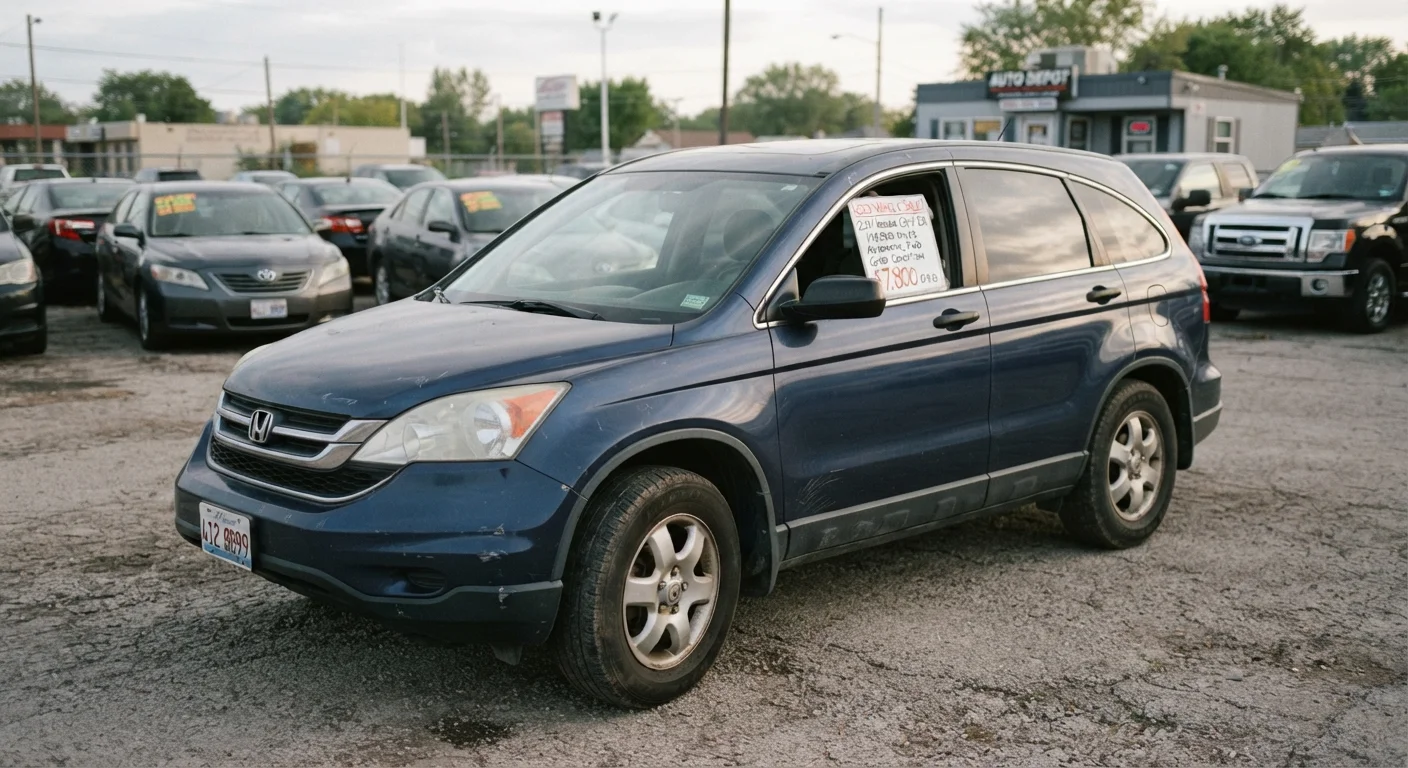
Photo: ReadersChronicle.com | Your Comprehensive Learning Destination editorial
—— In This Article
Key Takeaways
- Depreciation is steepest in the first few years of ownership, not evenly spread over a vehicle's life.
- High mileage matters, but condition, service history, and market demand often influence value just as much.
- Timing your sale and knowing your vehicle's actual market value are more controllable than most sellers realize.
- Modifications rarely recover their cost at resale and can sometimes lower a vehicle's appeal to buyers.
Why Sellers Keep Getting Depreciation Wrong
Most people have a rough sense that cars lose value over time. What trips them up is how that loss happens - the pace, the causes, and which factors they can actually influence before listing their vehicle for sale.
Misreading depreciation can lead sellers to underprice a car they've maintained well, overprice one the market has moved past, or make last-minute spending decisions that don't pay off. The myth-versus-fact pairs below cover the most common errors we hear about, drawn from the questions sellers ask most often.
If you're also working through the mechanics of listing your vehicle, our guide to selling without getting shortchanged covers pricing strategy and the private-sale process in more detail.
Myth
Cars lose value at a steady, predictable rate every year.
Fact
Depreciation is front-loaded - vehicles typically lose the most value in the first two to three years, then the rate slows considerably.
A common mental model treats depreciation like a straight line on a graph, with equal value lost each year. In reality, the drop is much steeper early on. A new vehicle can lose a significant portion of its value within the first year alone, largely because it transitions from "new" to "used" the moment it leaves the lot. After that initial cliff, the rate flattens. This matters for sellers because a three-year-old vehicle may be positioned closer to a long plateau than to another steep drop - something worth understanding when setting an asking price.
Myth
Mileage is the single most important factor in what a used car is worth.
Fact
Mileage matters, but condition, service history, accident records, and regional market demand often carry equal or greater weight.
Buyers use mileage as a quick proxy for wear, but savvy ones dig deeper. A well-maintained vehicle with 90,000 miles and complete service records can command more interest than a neglected one with 50,000 miles and a spotty history. Vehicle history reports, rust, interior wear, and even color affect perceived value. Sellers who focus only on mileage as a selling point - or as a reason to discount - may be ignoring factors that actually work in their favor.
Myth
Spending money on upgrades before selling will increase the vehicle's value by at least the same amount.
Fact
Most aftermarket modifications and cosmetic upgrades do not return their full cost at resale and can sometimes reduce buyer appeal.
Sellers sometimes invest in new sound systems, custom wheels, lift kits, or interior upgrades hoping to recoup that cost - or more - in the sale price. In most cases, the math doesn't work out. Buyers may prefer a stock vehicle they can modify themselves, and modifications can even raise concerns about how the car was driven or maintained. The upgrades most likely to be neutral or mildly positive are practical ones: replacing worn tires, fixing known mechanical issues, or addressing visible damage that buyers would otherwise use to negotiate down.
Myth
The price a dealer quotes on trade-in reflects what your car is actually worth in the market.
Fact
Trade-in offers are typically below private-sale market value because dealers factor in reconditioning costs and their own resale margin.
Trade-in convenience comes with a cost. Dealers need to account for the work they'll do before reselling the vehicle, along with their profit margin. That doesn't mean trade-in offers are unfair - they reflect a different transaction structure - but they shouldn't be used as a benchmark for what the car is worth to a private buyer. Checking independent valuation tools and comparing a few offers gives sellers a more accurate picture of where their vehicle sits in the current market.
Myth
There's no point trying to time the sale - depreciation happens regardless.
Fact
Seasonal demand and local market conditions can meaningfully affect what a buyer is willing to pay at a given moment.
While depreciation is a long-term trend, short-term market dynamics do influence sale prices. Trucks and SUVs often see stronger demand in late spring as buyers plan outdoor activities. Convertibles tend to attract more interest heading into summer. Fuel-efficient vehicles can spike in desirability when gas prices rise. None of these patterns are guaranteed, and the right time to sell also depends on your personal circumstances - but dismissing timing entirely can mean selling into weak demand when you had flexibility to wait.
What Actually Moves the Needle on Resale Value
Once you strip away the myths, a clearer picture emerges: depreciation is partly predictable and partly market-driven, but sellers have more influence than they often think.
~20%
Typical value lost in the first year
Industry analysts commonly estimate new vehicles lose roughly 15-25% of their value within the first 12 months, though this varies by make, model, and market conditions.
3-5 years
Period of steepest cumulative depreciation
After the initial drop, depreciation tends to stabilize; vehicles held past this window often see slower per-year value loss, according to general automotive valuation patterns.
Consistent maintenance records, clean interiors, and timing your sale to match seasonal demand are among the most reliably effective steps. Deferred upkeep, on the other hand, compounds the problem - a principle that applies well beyond vehicles. Deferred maintenance on any asset tends to cost more the longer it sits unaddressed.
Don't Skip the Vehicle History Report
Buyers increasingly check vehicle history reports before making an offer, and sellers who don't know what's in theirs are at a negotiating disadvantage. Undisclosed accidents, title issues, or missed service intervals can surface during a buyer's due diligence and lead to last-minute price cuts or a collapsed deal. Reviewing the report yourself - before listing - lets you address surprises on your own terms.
If you're deciding whether to sell privately or trade in, the depreciation hit is relevant to both paths but plays out differently. The tradeoff between trade-ins and private sales is worth understanding before you commit to either route.
This article is for general informational purposes only and does not constitute financial or legal advice. Vehicle values vary by market, condition, and timing. Consult current market data and, where appropriate, a qualified appraiser or adviser for decisions specific to your situation.

Cars Editorial Team
Cars Editorial Team is the collective byline for our editorial team and contributor network. Articles published under this byline or an editorial pen name are researched, written, and reviewed according to our editorial standards for clarity, consistency, and independence before publication.
View author profile