
The Used Car Marketplace, Explained
Dealerships, private sellers, auctions, and online platforms — here's how each channel works and what to expect from each.
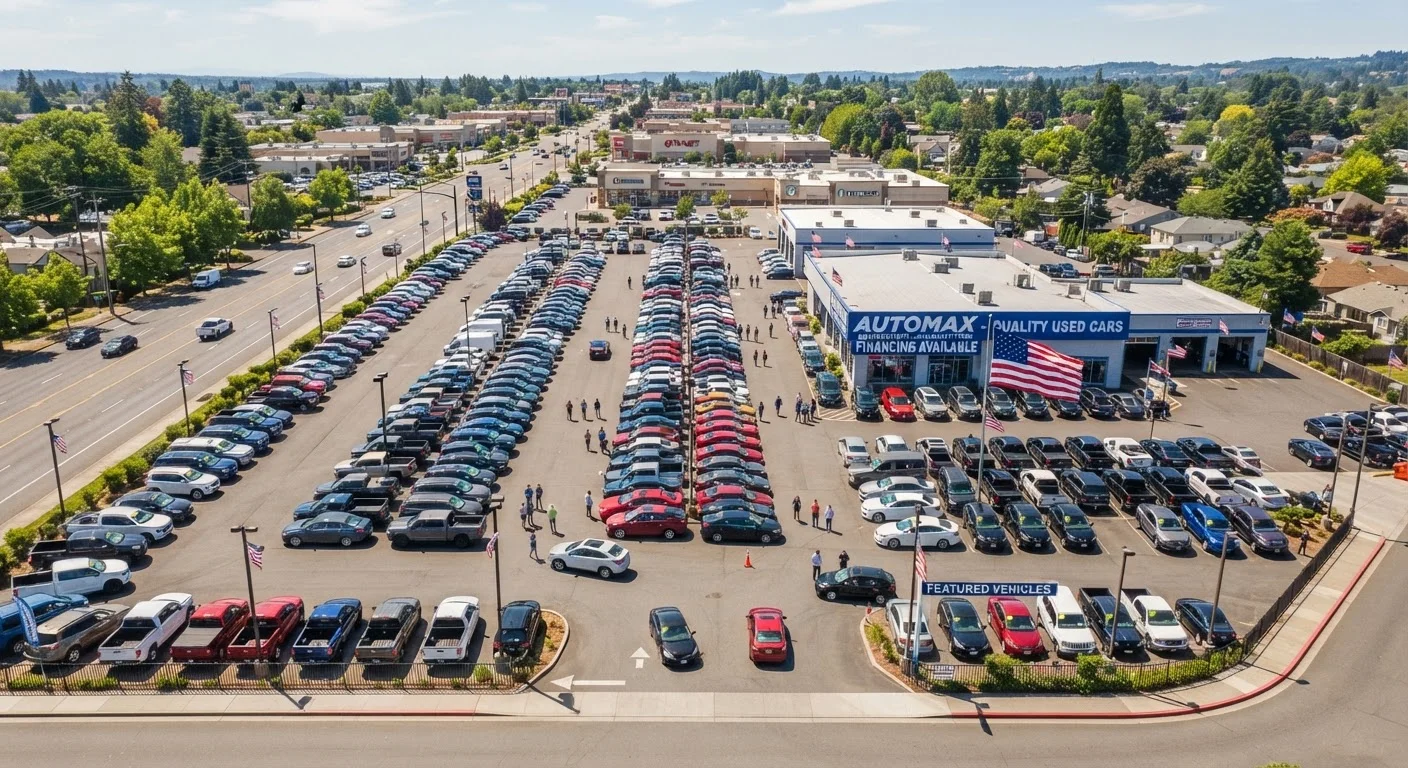
Photo: ReadersChronicle.com | Your Comprehensive Learning Destination editorial
—— In This Article
Key Takeaways
- The used car market has four main channels: dealerships, private sellers, auctions, and online platforms.
- Each channel offers a different balance of price, convenience, risk, and buyer protection.
- Private sales often yield lower prices but come with less paperwork support and no warranty.
- Dealer purchases typically cost more but include title handling, financing options, and sometimes limited warranties.
- Online platforms can connect you to more inventory but require careful verification before committing.
- Understanding how each channel works helps you shop with confidence and avoid costly surprises.
The Four Channels You'll Encounter
When people talk about buying or selling a used car, they're usually referring to one of four channels: franchised dealerships, independent dealers, private sellers, or auctions. Online platforms aren't a separate channel so much as a delivery method - they can connect you to dealers, private sellers, or auctions all in one place.
Each channel has a distinct profile. Knowing which one you're dealing with tells you a lot about what to expect - how the price is set, who handles the title, whether a warranty exists, and how much negotiating room you have.
~40M
Used vehicles sold annually in the U.S.
Industry estimates consistently place annual U.S. used vehicle sales well above new vehicle sales, reflecting broad consumer demand for pre-owned options.
~2x
Used cars sold vs. new cars each year
For roughly every new vehicle sold in the U.S., approximately two used vehicles change hands, underscoring the scale of the pre-owned market.
3 in 4
Used car buyers who research online first
Consumer research surveys consistently show the majority of used car shoppers begin their search online before visiting a lot or contacting a seller.
Dealerships: More Structure, Higher Starting Prices
Franchised dealerships are tied to a specific automaker (think a Ford or Toyota store) and sell certified pre-owned vehicles alongside their new inventory. Independent dealers aren't affiliated with any manufacturer and tend to carry a broader, more varied mix of vehicles at varying price points.
Both types handle the title transfer and often offer financing on-site. Some carry limited warranties or allow returns under specific conditions. That added structure comes with a cost: dealer prices typically reflect overhead, reconditioning, and profit margins.
Dealer financing is convenient but isn't always the most cost-effective path. See how the options compare in our piece on financing at the dealership vs. arranging your own loan.
Get Pre-Approved Before You Shop
Whether you plan to buy from a dealer or a private seller, knowing your financing terms in advance puts you in a stronger position. Contact your bank or credit union before you start shopping. Pre-approval clarifies your budget and gives you a benchmark to compare against any dealer financing offer you receive.
Private Sellers: Lower Prices, Fewer Guardrails
Buying from an individual cuts out the middleman, which can translate to a lower sale price. The tradeoff is that private sales are almost always as-is - no warranty, no dealer support, and you're responsible for arranging your own financing.
You'll also need to handle more of the paperwork yourself: verifying the title is clean and in the seller's name, completing an odometer disclosure, and filing the transfer with your state's motor vehicle agency.
The differences between these two paths go well beyond the sticker price. Our article on what changes beyond the price tag covers the full picture - from legal protections to risk exposure.
If you're on the selling side, a practical walkthrough is available in our guide on selling your car without getting shortchanged.
Auctions and Online Platforms
Most traditional vehicle auctions are dealer-only, but public auctions do exist - often run by government agencies, banks, or specialty auction houses. Vehicles at auction are sold with limited inspection time and typically no return option. Prices can be low, but so is the information available about each car's history or condition. This channel suits buyers who are experienced evaluating vehicles quickly.
Online platforms - ranging from major listing sites to fully digital retail operations - have expanded access considerably. Some list inventory from dealers; others connect private buyers and sellers. A handful handle the entire transaction including delivery. What they share: you're still responsible for verifying the vehicle's condition, history, and the seller's legitimacy before sending money.
If you've never bought a used car before, our ground-up guide to your first used car purchase walks through the full process without assuming prior experience.
What to Verify Before You Commit
Regardless of which channel you use, a few steps apply every time. Run a vehicle history report using the VIN (vehicle identification number) to check for prior accidents, title issues, or odometer discrepancies. Have an independent mechanic inspect any car you're seriously considering - this is especially important in private and auction transactions where sellers have no obligation to disclose problems.
Confirm the title is clean (not salvage or rebuilt), that the seller's name matches the title, and that there are no outstanding liens on the vehicle. Our used car buyer's checklist covers everything to verify before you put pen to paper.
Title Status Matters More Than Price
A salvage or rebuilt title - issued when a vehicle has been declared a total loss by an insurer - can significantly affect resale value, insurability, and safety. Always confirm a vehicle's title status before negotiating price. A cheap car with a problem title may end up costing more in the long run.
Frequently Asked Questions

Cars Editorial Team
Cars Editorial Team is the collective byline for our editorial team and contributor network. Articles published under this byline or an editorial pen name are researched, written, and reviewed according to our editorial standards for clarity, consistency, and independence before publication.
View author profile