
Before You Buy a Tablet: Questions Worth Asking Yourself First
Tablets vary wildly in purpose and capability. These questions help you figure out what you actually need before committing to any device.
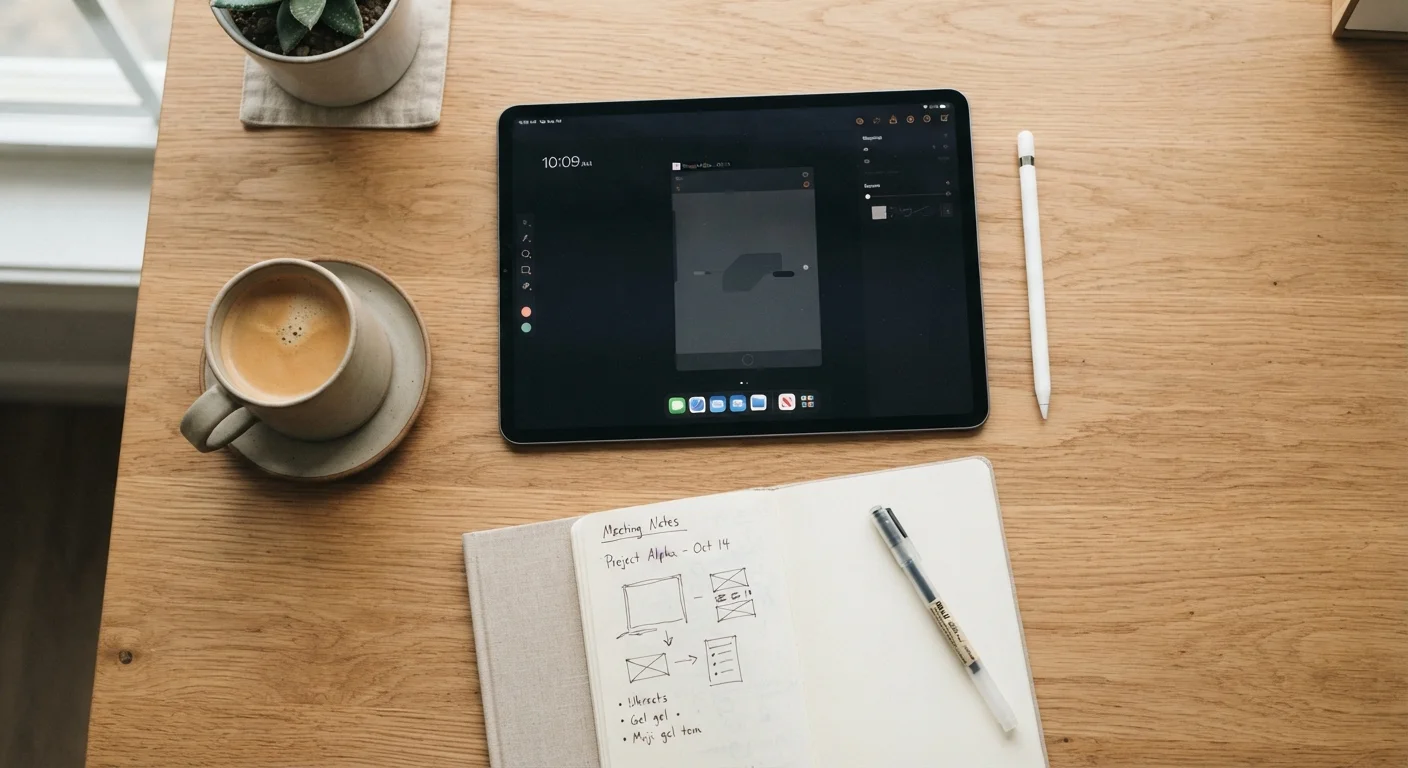
Photo: ReadersChronicle.com | Your Comprehensive Learning Destination editorial
—— In This Article
Key Takeaways
- Your intended use - not specs - should drive every tablet purchasing decision.
- Screen size, operating system, and storage needs vary significantly by how you plan to use the device.
- Cellular connectivity adds ongoing costs; Wi-Fi-only models suit most home and office users.
- Accessories like keyboards and styluses can significantly affect the total cost of ownership.
- Securing any new device should happen before you log into sensitive accounts.
Why These Questions Matter
Tablets occupy an awkward middle ground between smartphones and laptops - capable enough to replace either in some situations, but poorly suited to both in others. That ambiguity is exactly what makes buying one without a clear plan such a common mistake.
Before you settle on any device, it pays to think through your actual use case honestly. The checklist below walks you through the questions most buyers skip - covering purpose, portability, ecosystem, budget, and longevity. Work through it once, and you'll have a much clearer picture of what you need (and what you're willing to pay for).
If you're the type who does this kind of research before other big commitments, you'll recognize the mindset - similar to how a pre-travel research checklist keeps you from booking a trip without verifying the essentials first.
Pen and Paper (or Notes App)
Write down your answers to each checklist question so you can compare them against device specs clearly.
Manufacturer Spec Pages
Verify storage options, display resolution, battery capacity, and supported accessories directly from the source.
Independent Tech Review Sites
Cross-check manufacturer claims on battery life, performance, and build quality against real-world testing.
App Store / Platform App Library
Confirm that every app you depend on is available and maintained on the platform you're considering.
The Pre-Purchase Checklist
Work through each group below before you visit a store or add anything to a cart. Answer honestly - there are no wrong answers, only mismatched purchases.
Define Your Primary Use
Screen Size and Portability
Operating System and Ecosystem
Connectivity and Storage
Accessories and Add-On Costs
Longevity and Future-Proofing
Spec Numbers Can Be Misleading
A higher processor number or RAM figure doesn't always translate to a better experience for your specific use case. A device optimized for media consumption may outperform a higher-spec model for video streaming simply due to better software integration. Always tie specs back to your actual intended tasks rather than comparing numbers in isolation.
Once you've made your decision and the device arrives, don't skip the setup basics. See our guide to securing a new device before you log into any accounts or store sensitive data.
A Note on Budget and Total Cost
The sticker price of a tablet is rarely the whole story. Factor in accessories (cases, styluses, keyboards), cloud storage subscriptions, and any app ecosystem costs - some operating systems have cheaper or free alternatives for the same tools, while others lock you into paid services.
If you're weighing whether a tablet can replace a budgeting app or a paper system, it helps to have already thought through how you track money. Our look at paper vs. app budget tracking covers the trade-offs that apply whether your tool is a notebook, a phone, or a tablet.
Total Cost of Ownership Adds Up Fast
A tablet priced attractively at the shelf can become significantly more expensive once you add a case, keyboard, stylus, cloud storage subscription, and a cellular data plan. Before committing, tally up every likely expense over the first 12 months - not just the device price. For budget-conscious buyers, this full-picture math often changes the decision.
Finally, consider whether a tablet is really the device you need, or whether a streaming device for the living room might cover a large portion of what you have in mind. Our breakdown of streaming sticks, smart TVs, and set-top boxes is a useful comparison if media consumption is your primary goal.

Tech Editorial Team
Tech Editorial Team is the collective byline for our editorial team and contributor network. Articles published under this byline or an editorial pen name are researched, written, and reviewed according to our editorial standards for clarity, consistency, and independence before publication.
View author profile