
Your First Apartment Lease, Decoded
Confused by lease language? Learn what every clause in a standard rental agreement actually means before you sign.
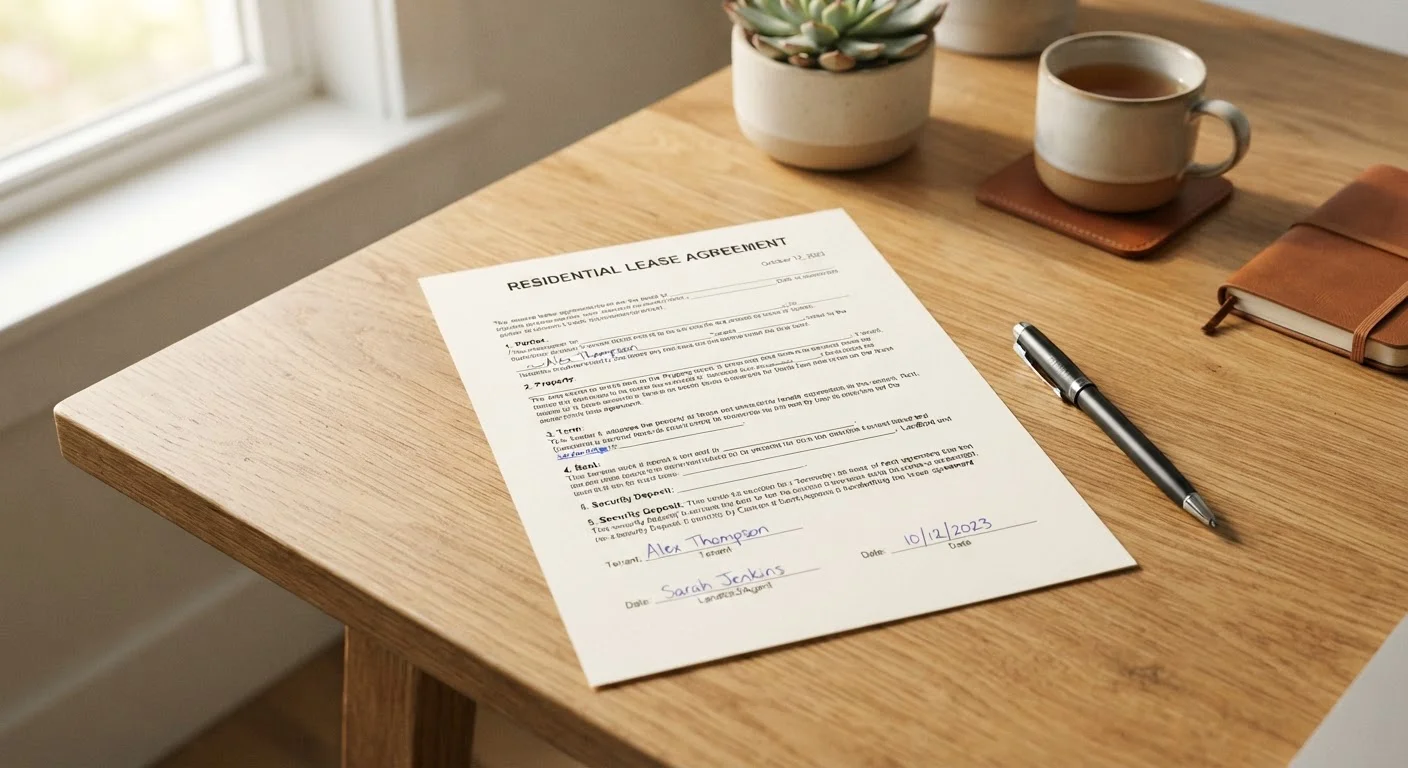
Photo: ReadersChronicle.com | Your Comprehensive Learning Destination editorial
—— In This Article
Key Takeaways
- A lease is a legally binding contract - read every line before signing.
- Key clauses cover rent, security deposit, maintenance duties, and lease termination.
- Tenants have legal rights regardless of what a landlord's lease says.
- Red-flag clauses can expose you to unexpected fees or limit your basic rights.
- Asking questions and requesting changes before signing is normal and encouraged.
What a Lease Actually Is
A lease is a legally binding contract between you (the tenant) and the property owner (the landlord). It defines exactly what both sides are agreeing to: how much rent you'll pay, how long you'll live there, and what rules apply during your stay. Once signed, neither party can unilaterally change the terms.
Most standard apartment leases are fixed-term agreements - typically 12 months - though month-to-month arrangements also exist. Fixed-term leases give you rent stability; month-to-month leases offer flexibility but can be ended with shorter notice by either party.
For a deeper look at how to approach a rental agreement strategically, see our guide to reading a lease before you sign.
Lease
A legally binding written contract between a tenant and a landlord that sets the terms and duration of a rental arrangement.
Security deposit
An upfront payment held by the landlord to cover unpaid rent or damage beyond normal wear and tear, returned after move-out minus any lawful deductions.
Habitability
A legal standard requiring rental units to be safe and livable - with functioning heat, water, and structural soundness - regardless of what a lease says.
Escalation clause
A lease provision that allows the landlord to increase rent by a set amount or percentage during or between lease terms, according to defined conditions.
Subletting
When a tenant rents their unit (or part of it) to another person, usually requiring written landlord approval.
Normal wear and tear
The expected, minor deterioration of a rental unit from everyday use - such as small scuffs or carpet wear - that landlords generally cannot deduct from a security deposit.
Key Clauses and What They Mean
Leases can run several pages, but a handful of clauses carry most of the weight. Here is what to look for:
- Rent amount and due date: The exact dollar figure and the day it's due each month. Note whether there is a grace period before late fees kick in.
- Security deposit: The upfront sum held by the landlord, typically equal to one month's rent, returned after move-out minus any allowable deductions.
- Lease term: The start and end dates of your tenancy. Breaking this period early usually carries a financial penalty.
- Maintenance responsibilities: Spells out who handles repairs - major systems (heating, plumbing) are almost always the landlord's responsibility; minor upkeep (changing light bulbs) is often the tenant's.
- Pet policy: Whether pets are allowed, any breed or size restrictions, and whether a separate pet deposit applies.
- Guest policy: How long guests can stay before they are considered unauthorized occupants.
- Subletting clause: Whether you can rent the unit to someone else, which is often prohibited without written landlord approval.
For a plain-language glossary of these and other terms, visit our key lease terms every renter should recognize.
Your Rights and Responsibilities as a Tenant
Regardless of what a lease says, state and local laws grant tenants a baseline set of protections. Most states require landlords to maintain a habitable unit - meaning functioning heat, clean water, and freedom from serious safety hazards. A lease clause cannot legally strip you of this right.
Your core responsibilities as a tenant typically include:
- Paying rent on time and in full.
- Keeping the unit reasonably clean and undamaged.
- Following noise and community rules outlined in the lease.
- Notifying the landlord promptly about needed repairs.
Document Everything in Writing
Before moving in, do a walkthrough with the landlord and photograph any existing damage - scratches, stains, broken fixtures. Send a written summary to the landlord by email the same day. This creates a dated record that protects your security deposit when you move out.
If you are ever unsure whether a lease clause is legal in your state, contact your local tenant rights organization or a housing counselor before signing. Many offer free guidance.
Red Flags to Watch For
Not every lease clause is fair or even enforceable. Watch for these warning signs:
- Waiver of habitability: Any clause that says you accept the unit "as-is" with no landlord repair obligation. This is unenforceable in most states but still signals a problem landlord.
- Automatic rent increases mid-lease: Some leases include escalation clauses that raise rent during the lease term. Make sure you understand the trigger and cap.
- Vague damage language: Terms like "tenant responsible for all damages" without defining normal wear and tear can lead to unfair security deposit deductions.
- Unilateral entry rights: Most states require landlords to give 24 to 48 hours advance notice before entering. A clause waiving this right is often unenforceable.
Never Skip the Full Read
Signing a lease you haven't fully read is one of the most common - and costly - mistakes first-time renters make. Verbal promises from a landlord are extremely difficult to enforce once you've signed a contract that says something different. If a clause seems unclear, ask for clarification in writing before signing.
If you are considering signing a lease without touring the unit in person, read our article on signing a lease without seeing the unit first to understand your protections.
Before You Sign: A Final Checklist
Use this checklist in the hours before you put pen to paper:
- Read the entire lease - every page, every addendum.
- Confirm the rent amount, due date, and any grace period match what you were verbally told.
- Check the move-in and move-out dates and any notice requirements.
- Understand the early termination clause and its financial consequences.
- Document any existing damage with dated photos and share them with your landlord in writing before moving in.
- Ask the landlord to clarify or remove any clause you don't understand or disagree with.
For a broader understanding of contract and real estate vocabulary that appears across rental and purchase agreements, our real estate vocabulary checklist is a useful reference.
This article is for general informational purposes only and does not constitute legal advice. Tenant rights and landlord obligations vary by state and locality. Consult a qualified attorney or local tenant rights organization for guidance specific to your situation.
Frequently Asked Questions

Real Estate Basics Editorial Team
Real Estate Basics Editorial Team is the collective byline for our editorial team and contributor network. Articles published under this byline or an editorial pen name are researched, written, and reviewed according to our editorial standards for clarity, consistency, and independence before publication.
View author profile