
Reading a Lease Before You Sign
Walk through a rental agreement the right way—what to look for, what to question, and what you shouldn't overlook.
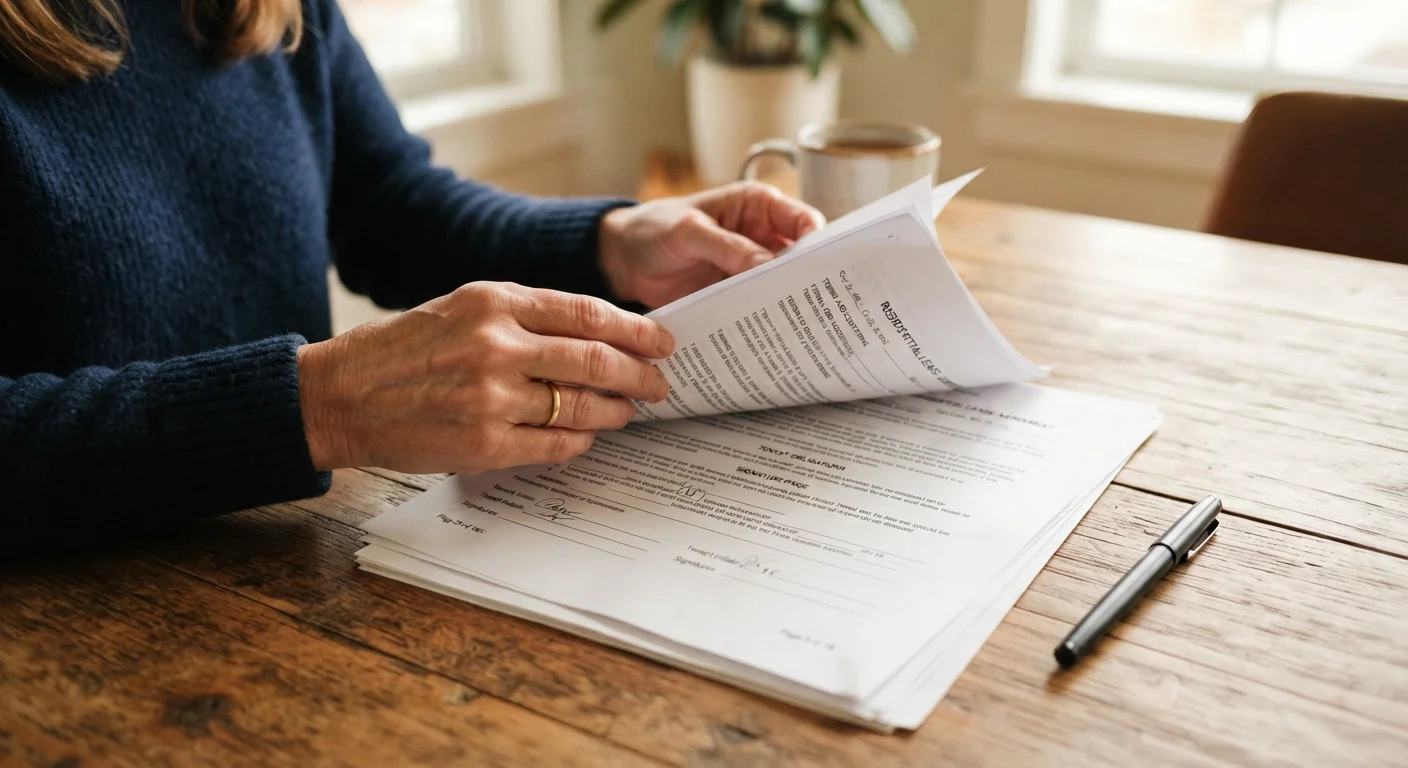
Photo: ReadersChronicle.com | Your Comprehensive Learning Destination editorial
—— In This Article
Key Takeaways
- Read every clause before signing - verbal promises not in the lease are generally unenforceable.
- Security deposit rules, move-out procedures, and rent escalation clauses deserve especially close attention.
- Unfamiliar terms are worth looking up; landlords can also clarify language in writing.
- Lease terms are sometimes negotiable before signing, even in competitive rental markets.
- State and local tenant protection laws may override certain lease provisions.
Why Reading the Lease in Full Is Non-Negotiable
Rental agreements range from one page to more than twenty, and every line carries legal weight. Skimming or skipping sections because the lease looks "standard" is one of the most common - and costly - mistakes renters make. A lease sets the terms of your housing for months or years, so understanding it in advance is the foundation of a stable tenancy.
Leases cover far more than the monthly rent. They govern your responsibilities for maintenance, what happens if you break the lease early, how disputes are handled, and dozens of other scenarios that may not seem relevant until they are. For a broader understanding of the renting process from start to finish, The Renter's Complete Playbook walks through each stage in detail.
Never Sign a Lease You Haven't Fully Read
A signed lease is a legally binding contract. Once you sign, you are generally bound by every clause in it, even ones you didn't notice. Ask for a copy at least 24 hours before your intended signing date so you have adequate time to review it thoroughly. If a landlord refuses to give you time to read, treat that as a serious warning sign.
It is also worth knowing that tenant protection laws in your state or city may override certain lease clauses - meaning even a signed lease cannot strip you of specific legal rights. When a clause looks unusual or overly punishing, checking your state's housing authority website is time well spent.
What You Need Before You Start
Reviewing a lease effectively takes a little preparation. Having the right tools on hand makes the process faster and reduces the chance of missing something important.
What you will need
Printed or digital lease copy
Allows you to annotate, highlight, and flag clauses as you read through the agreement.
Notepad or note-taking app
Used to record questions, unclear terms, and items you want clarified or changed before signing.
State tenant rights guide
Helps you verify which lease provisions are legally enforceable and which may conflict with local law.
Legal aid or tenant advocacy contact
Provides free or low-cost assistance if a clause appears illegal or the lease is unusually complex.
Use a Checklist While You Read
Print or save the lease and work through it section by section with a notepad. Write down every question or clause that's unclear as you go. Grouping your questions before contacting the landlord is more efficient and creates a useful paper trail if any disputes arise later.
How to Read Your Lease: Step by Step
Work through the lease systematically rather than jumping to sections that seem most relevant. Important obligations - like maintenance responsibilities or early termination penalties - are often buried in the middle. Follow these steps to cover the ground that matters most.
Request the full lease in advance
Ask your landlord or property manager for a complete copy of the lease at least one to two days before you're expected to sign. A legitimate landlord will have no reason to rush you. If the lease is delivered digitally, download and save it so you can read it without time pressure.
Confirm the basic facts are correct
Before reading deeper, check that the lease accurately reflects what was agreed upon: your name spelled correctly, the correct unit address, the right move-in date, the monthly rent amount, and the lease term (start and end dates). Errors in these basics can create serious problems later and should be corrected in writing before signing.
Review the security deposit terms
Locate the section describing the security deposit. Note the exact amount, where it will be held, what conditions allow the landlord to deduct from it, and the deadline by which they must return it after move-out. Many states set specific limits on deposit amounts and strict timelines for returns - check your state's rules to confirm the lease complies. For a broader look at standard lease language, see Your First Apartment Lease, Decoded.
Understand rent payment rules and late fees
Find the clause covering when rent is due, acceptable payment methods, and the grace period (if any) before a late fee applies. Note the exact late fee amount - some states cap how much a landlord can charge. Also look for any language about automatic rent increases during or at the end of the lease term. The rules around rent increases vary significantly by state and locality.
Check the rules on subletting, guests, and pets
Look for clauses covering subletting the unit, how long guests may stay, and pet policies. Violating these provisions - even unknowingly - can be grounds for eviction or deposit deductions. If you have a pet or anticipate needing to sublet, confirm the lease either permits it or that you can negotiate a written addendum before signing.
Read the move-out and renewal terms
Find the section explaining how much notice you must give before moving out, and what happens if the lease auto-renews. Some leases require 60 days' notice before the lease end date; missing this window can lock you into another term. Also note whether the lease converts to a month-to-month arrangement after the initial term ends, and under what conditions.
Flag unclear clauses and ask for clarification in writing
Write down every clause you don't fully understand and send your questions to the landlord by email. Email creates a written record of both the questions and the answers. If the landlord's explanation changes the meaning of a clause, ask them to update the lease language itself rather than relying on the explanation alone. For help decoding specific real estate terms, the real estate vocabulary checklist is a useful reference.
Verbal Promises Don't Hold Up
If a landlord tells you something - "we'll repaint before you move in" or "pets are fine" - but it isn't written into the lease, it may be very difficult to enforce later. Any agreed-upon modifications or promises should be added to the lease in writing and initialed by both parties before you sign.
This article provides general informational guidance for renters and is not legal advice. Lease terms, tenant rights, and applicable laws vary by state and locality. Consult a licensed attorney or qualified tenant advocacy organization for guidance specific to your situation.

Real Estate Basics Editorial Team
Real Estate Basics Editorial Team is the collective byline for our editorial team and contributor network. Articles published under this byline or an editorial pen name are researched, written, and reviewed according to our editorial standards for clarity, consistency, and independence before publication.
View author profile