
Key Lease Terms Every Renter Should Recognize
A quick-reference glossary of the most common lease terms—from escalation clauses to quiet enjoyment—explained in plain language.
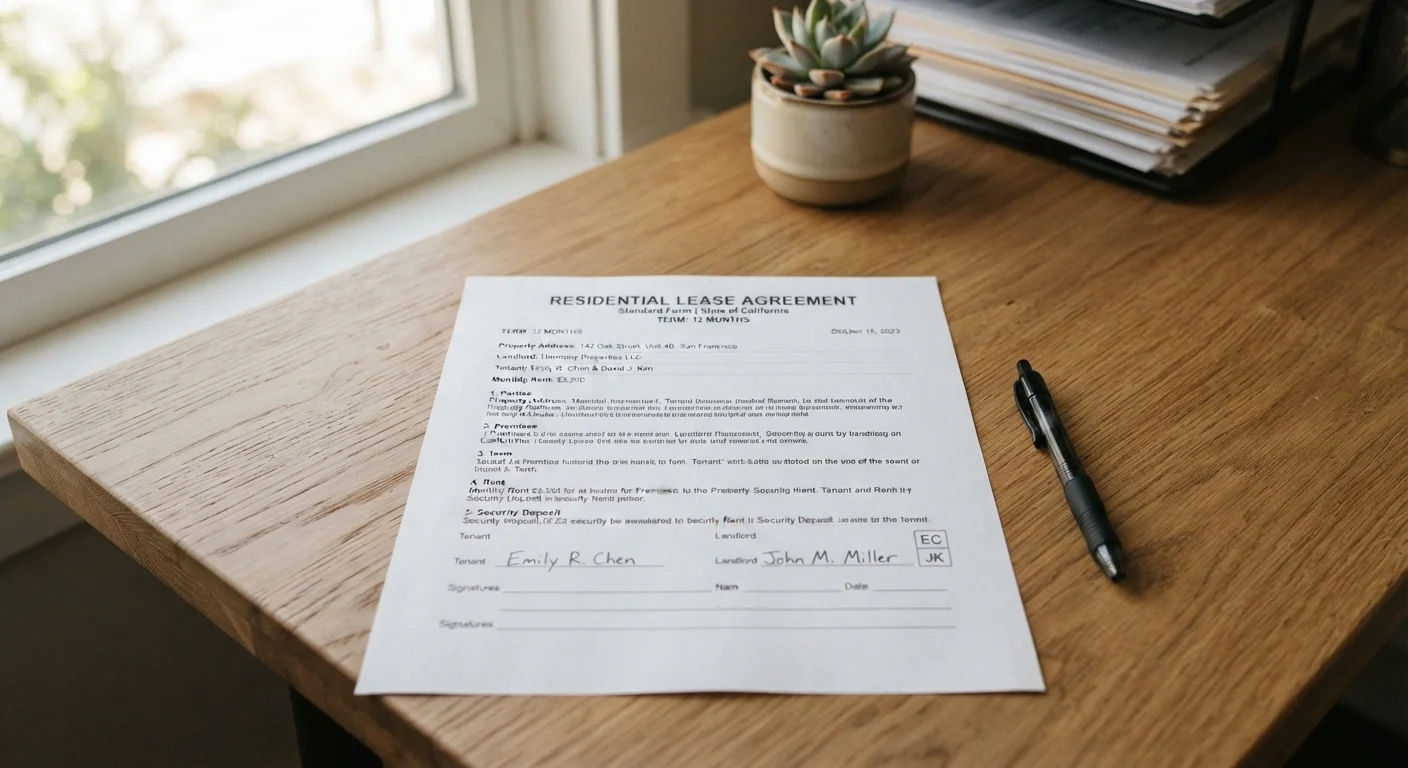
Photo: ReadersChronicle.com | Your Comprehensive Learning Destination editorial
—— In This Article
Why Lease Vocabulary Matters
A lease is a legally binding contract. Every word in it carries weight - and landlords are generally familiar with that language in a way first-time renters are not. Knowing what key terms mean before you sign puts you on equal footing and helps you spot clauses that could affect your finances, privacy, or ability to move out on your own timeline.
This reference guide covers the terms that appear most often in standard US residential leases. Use it alongside our full lease walkthrough and our pre-signing checklist for a complete picture of what you're agreeing to.
| Most common lease length | 12 months (fixed term) |
| Typical security deposit cap | 1-2 months' rent (varies by state) (State landlord-tenant statutes) |
| Standard landlord entry notice | 24-48 hours (varies by state) (State landlord-tenant statutes) |
| Common notice-to-vacate period | 30-60 days |
| Security deposit return timeline | 14-45 days after move-out (varies by state) (State landlord-tenant statutes) |
Core Lease Terms Defined
The following terms form the backbone of nearly every residential rental agreement in the United States. Recognizing them on the page - and understanding what they actually mean - is the first step toward renting with confidence.
Lease Term
The duration of the rental agreement - most commonly 12 months for a fixed-term lease, or month-to-month for a rolling arrangement. The end date determines when you must renew, move out, or renegotiate.
Security Deposit
An upfront payment held by the landlord to cover unpaid rent or damages beyond normal wear and tear. State law governs maximum amounts, how the deposit must be held, and the timeline for its return after move-out.
Rent Escalation Clause
A lease provision that allows the landlord to increase rent by a specified amount or percentage during the lease term or at renewal. The clause should state both the trigger conditions and any cap on the increase.
Quiet Enjoyment
A tenant's right to occupy the rental property without unreasonable interference from the landlord or other parties. This is a fundamental legal protection implied in nearly all US residential leases.
Holdover Tenant
A renter who remains in the property after the lease expires without signing a new agreement. Depending on state law and landlord response, this may convert the tenancy to a month-to-month arrangement or result in eviction proceedings.
Habitability
The legal standard requiring rental units to be safe and livable - including functional heat, plumbing, and freedom from serious hazards. Landlords are obligated to maintain habitability under the laws of every US state.
Pro-Rated Rent
Rent charged for a partial month, calculated by dividing the monthly rent by the number of days in that month and multiplying by the days occupied. Common when a tenant moves in on a date other than the first of the month.
Joint and Several Liability
A clause in leases with multiple tenants stating that each co-tenant is individually responsible for the full rent amount. If one roommate doesn't pay, the landlord can seek the entire amount from any or all of the others.
Subletting
Renting your unit - or part of it - to another person while you remain on the original lease. Most leases require written landlord approval before subletting is permitted.
Notice to Vacate
A formal written notification - from either the tenant or landlord - stating the intent to end the tenancy. The required notice period (commonly 30 to 60 days) should be specified in the lease.
Normal Wear and Tear
The gradual, expected deterioration of a rental unit from ordinary use - such as minor scuffs on walls or carpet worn from foot traffic. Landlords generally cannot deduct security deposit funds to repair normal wear and tear.
Addendum
A separate written document attached to the lease that modifies or adds to its terms - for example, a pet policy or parking agreement. Addenda carry the same legal weight as the main lease once signed.
For a broader look at property-related vocabulary beyond rentals, see our plain-language real estate glossary.
Terms That Affect Your Money
Several lease provisions have a direct impact on your wallet - both when you move in and after. Pay especially close attention to the following:
- Security deposit limits: Many states cap how much a landlord can collect as a security deposit, often at one to two months' rent. Your lease should state the exact amount and the conditions under which it can be withheld.
- Rent escalation clauses: Some leases - particularly longer fixed-term agreements - include language permitting rent increases at set intervals. The clause should specify the maximum allowable increase and how much notice you'll receive.
- Late fees: Most leases define a grace period (commonly three to five days) before a late fee applies, and a maximum fee amount. State law may limit how large that fee can be.
- Utilities and pro-rated rent: Confirm in writing which utilities are included in rent and whether your first month is charged at a full or pro-rated amount if you move in mid-month.
~36%
Share of US households that rent
According to the US Census Bureau's American Community Survey, roughly one in three American households rents their primary residence.
50+
States with unique security deposit laws
Every US state has its own landlord-tenant statutes governing deposit amounts, holding requirements, and return timelines - making it essential to check your state's specific rules.
Understanding these terms is part of the broader financial literacy covered in the real estate vocabulary every signer should know.
Terms That Protect Your Rights
Not all lease language is about payment. Several standard clauses exist specifically to define your rights as a tenant - and to protect those rights if a dispute arises.
- Quiet enjoyment: This clause guarantees your right to occupy the rental without unreasonable interference from the landlord. It doesn't mean silence - it means peaceful, uninterrupted use of the property.
- Entry notice: Landlords are generally required by state law to give advance notice (commonly 24 to 48 hours) before entering your unit, except in genuine emergencies. Your lease should specify this timeline.
- Habitability standards: Landlords are legally obligated to maintain rental units in a livable condition - with working heat, plumbing, and no serious safety hazards. This obligation exists by law in every US state, regardless of whether it appears in the lease.
- Subletting provisions: Many leases prohibit subletting without the landlord's written consent. Violating this clause can be grounds for eviction, so check before making any arrangements.
Lease Terms Can Vary Widely by State
While certain tenant rights - like habitability standards - are universal across the US, many specific rules around deposits, entry notice, and eviction procedures differ significantly from state to state. Always verify that the terms in your lease comply with local law. Your state's attorney general website or a local tenant advocacy organization is a reliable starting point.
For a deeper overview of tenant protections, renters' rights every tenant should know covers federal and common state-level protections in plain language.
This article is for general informational purposes only and does not constitute legal advice. Lease terms and tenant rights vary by state and locality. Consult a licensed attorney or local tenant advocacy organization if you have questions about your specific situation.

Real Estate Basics Editorial Team
Real Estate Basics Editorial Team is the collective byline for our editorial team and contributor network. Articles published under this byline or an editorial pen name are researched, written, and reviewed according to our editorial standards for clarity, consistency, and independence before publication.
View author profile