
Renting vs. Buying: The Tradeoffs Worth Understanding
Beyond the financial math, here's an honest look at the lifestyle, flexibility, and responsibility tradeoffs between renting and owning.
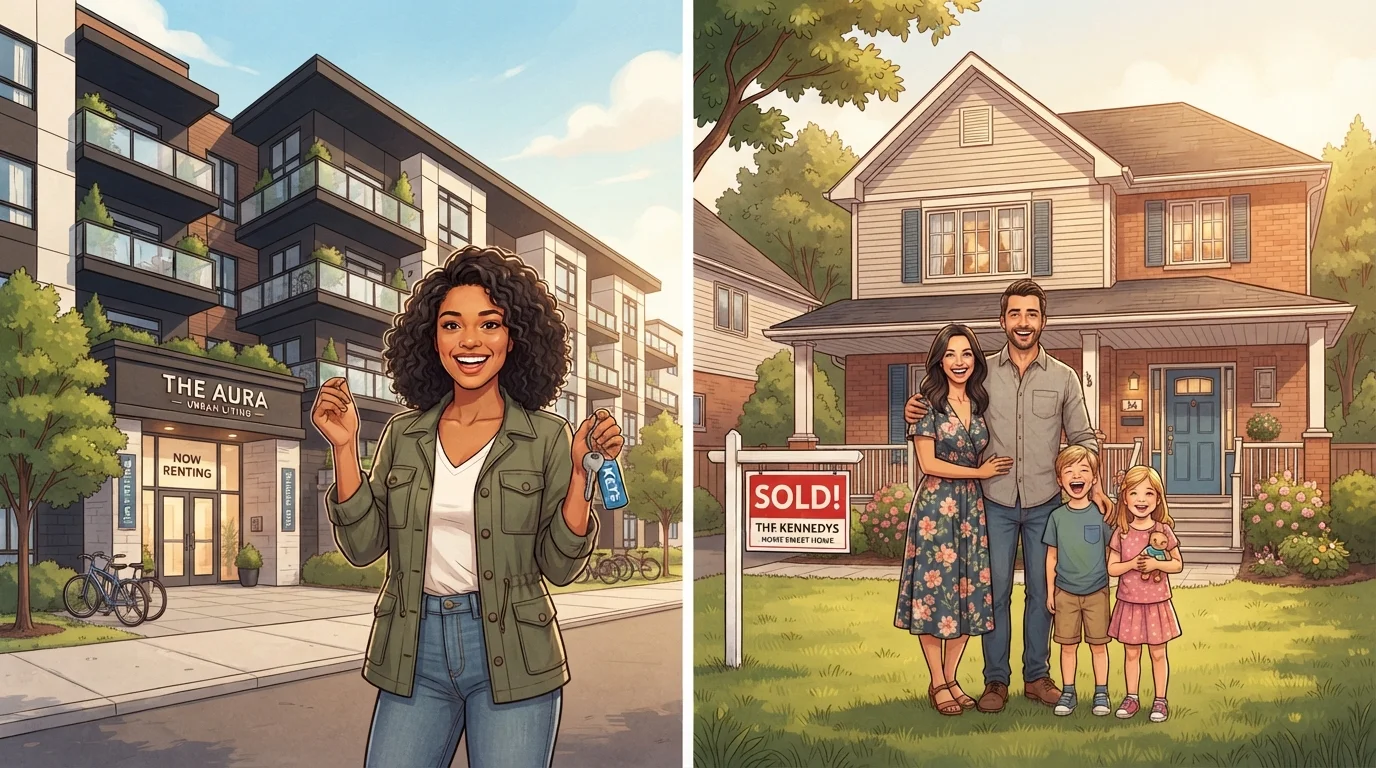
Photo: ReadersChronicle.com | Your Comprehensive Learning Destination editorial
—— In This Article
Key Takeaways
- Neither renting nor buying is universally better - it depends on your finances, timeline, and lifestyle.
- Renting offers flexibility and predictable short-term costs; buying builds equity but demands upfront capital.
- Homeownership carries ongoing maintenance costs that renters typically avoid.
- Your local housing market and how long you plan to stay heavily influence which option makes financial sense.
- Both paths involve real legal and financial responsibilities worth understanding before committing.
Builds equity over time
Each mortgage payment reduces your loan balance, gradually increasing your ownership stake in the property. Over many years, this can become a significant financial asset.
More stability and control over your space
Homeowners can renovate, paint, or modify their property without landlord approval, and aren't subject to non-renewal notices or landlord-driven moves.
Predictable payments with a fixed-rate mortgage
A fixed-rate mortgage locks in your principal and interest payment for the loan's lifetime, making long-term budgeting more straightforward than rental markets where rents can increase.
Potential appreciation in property value
Historically, real estate has appreciated over long periods in many US markets, though this varies by location and is not guaranteed.
High upfront and ongoing costs
Down payments, closing costs, property taxes, insurance, and maintenance create financial demands that renters don't face. These costs can be substantial even for modest homes.
Reduced flexibility to relocate
Selling a home takes time and money. Homeowners who need to move quickly - for work or personal reasons - may face financial losses if the market isn't favorable.
Full maintenance responsibility falls on you
There's no landlord to call when the furnace breaks. Repairs, replacements, and upkeep are entirely the homeowner's problem and expense.
Market risk is real
Home values can fall, and homeowners who purchased near a market peak may find themselves owning more than the home is worth - a situation known as being "underwater" on a mortgage.
Why This Decision Is More Complicated Than the Math Suggests
The renting vs. buying debate often gets reduced to a simple question: which one is cheaper? But that framing misses most of what actually matters. Housing is a lifestyle decision as much as a financial one, and the numbers look very different depending on where you live, how long you stay, and what life stage you're in.
Both options involve real costs, real risks, and real benefits. The goal here isn't to steer you toward one over the other - it's to lay out the tradeoffs honestly so you can make a decision that fits your actual situation. For a deeper financial comparison, see a side-by-side financial look.
Builds equity over time
Each mortgage payment reduces your loan balance, gradually increasing your ownership stake in the property. Over many years, this can become a significant financial asset.
More stability and control over your space
Homeowners can renovate, paint, or modify their property without landlord approval, and aren't subject to non-renewal notices or landlord-driven moves.
Predictable payments with a fixed-rate mortgage
A fixed-rate mortgage locks in your principal and interest payment for the loan's lifetime, making long-term budgeting more straightforward than rental markets where rents can increase.
Potential appreciation in property value
Historically, real estate has appreciated over long periods in many US markets, though this varies by location and is not guaranteed.
The Real Costs of Buying a Home
Owning a home involves far more than a monthly mortgage payment. Buyers typically need a down payment - often between 3% and 20% of the purchase price - plus closing costs that can add another 2%-5%. Once you're in, property taxes, homeowner's insurance, and maintenance expenses are yours to handle.
A commonly cited rule of thumb is to budget roughly 1% of the home's value each year for maintenance and repairs, though actual costs vary significantly. A roof replacement, HVAC failure, or plumbing issue can run into the thousands without warning. These costs don't disappear with homeownership - they just shift entirely to you.
High upfront and ongoing costs
Down payments, closing costs, property taxes, insurance, and maintenance create financial demands that renters don't face. These costs can be substantial even for modest homes.
Reduced flexibility to relocate
Selling a home takes time and money. Homeowners who need to move quickly - for work or personal reasons - may face financial losses if the market isn't favorable.
Full maintenance responsibility falls on you
There's no landlord to call when the furnace breaks. Repairs, replacements, and upkeep are entirely the homeowner's problem and expense.
Market risk is real
Home values can fall, and homeowners who purchased near a market peak may find themselves owning more than the home is worth - a situation known as being "underwater" on a mortgage.
If you're budget-conscious and exploring how buyers navigate these constraints, approaching homebuying on a tight budget is a useful next read. For mortgage structure decisions, understanding fixed-rate vs. adjustable-rate mortgages also matters early on.
What Renting Actually Offers - and What It Doesn't
Renting is often framed as "throwing money away," but that characterization isn't accurate. Rent pays for housing - a real service - and it typically comes without the financial exposure of ownership. A renter in a well-maintained unit with a responsive landlord can have stable housing costs with minimal surprise expenses.
The flexibility renting provides is also genuinely valuable. If your job changes, your family situation shifts, or you simply want to live somewhere new, leaving a rental is far simpler than selling a home. That said, renting comes with its own limitations: rent can increase at renewal, landlords can decide not to renew leases, and you don't build equity in the property.
Renting Is Not a Financial Failure
Cultural narratives often treat homeownership as an inevitable milestone and renting as a temporary fallback. In reality, renting can be the more financially sound choice for many people at many points in their lives. Stability, a good landlord relationship, and a well-priced rental in a good location are genuinely valuable - not a consolation prize. Treat the renting vs. buying decision as a strategic one, not a moral one.
Your lease type matters here too. A fixed-term lease offers more stability, while a month-to-month arrangement trades security for flexibility. Compare those lease structures before signing. And don't overlook renter's insurance - it protects more than your belongings.
How to Think About the Decision for Your Situation
A few practical questions can help clarify which path makes more sense right now:
- How long do you plan to stay? Buying generally requires at least five to seven years in place to offset transaction costs and build meaningful equity. Shorter timelines often favor renting.
- Do you have the upfront capital? Down payments and closing costs require significant liquid savings. If buying would drain your emergency fund entirely, that's a risk worth weighing carefully.
- How stable is your income? A mortgage is a long-term fixed obligation. Renting offers more room to adjust if your financial situation changes.
- What does your local market look like? In some cities, renting is substantially cheaper than owning a comparable home. In others, ownership costs are closer to rent. Local context matters enormously.
Budgeting basics can also help you model what either path realistically costs on your income. Before signing anything, reading your lease carefully is a step that protects you regardless of which direction you choose.
~35%
Share of US households that rent
According to US Census Bureau data, roughly one in three American households rents their home rather than owning it.
2%-5%
Typical closing costs as share of purchase price
The Consumer Financial Protection Bureau notes that homebuyers typically pay between 2% and 5% of the loan amount in closing costs, separate from the down payment.
This article is for general informational purposes only and does not constitute financial, legal, or real estate advice. Consult a qualified professional for guidance specific to your situation.

Real Estate Basics Editorial Team
Real Estate Basics Editorial Team is the collective byline for our editorial team and contributor network. Articles published under this byline or an editorial pen name are researched, written, and reviewed according to our editorial standards for clarity, consistency, and independence before publication.
View author profile