
What Escrow Actually Means - and Why It Matters
Escrow shows up everywhere in a home purchase, but few buyers know exactly how it works. Here's a clear explanation of the process and its purpose.
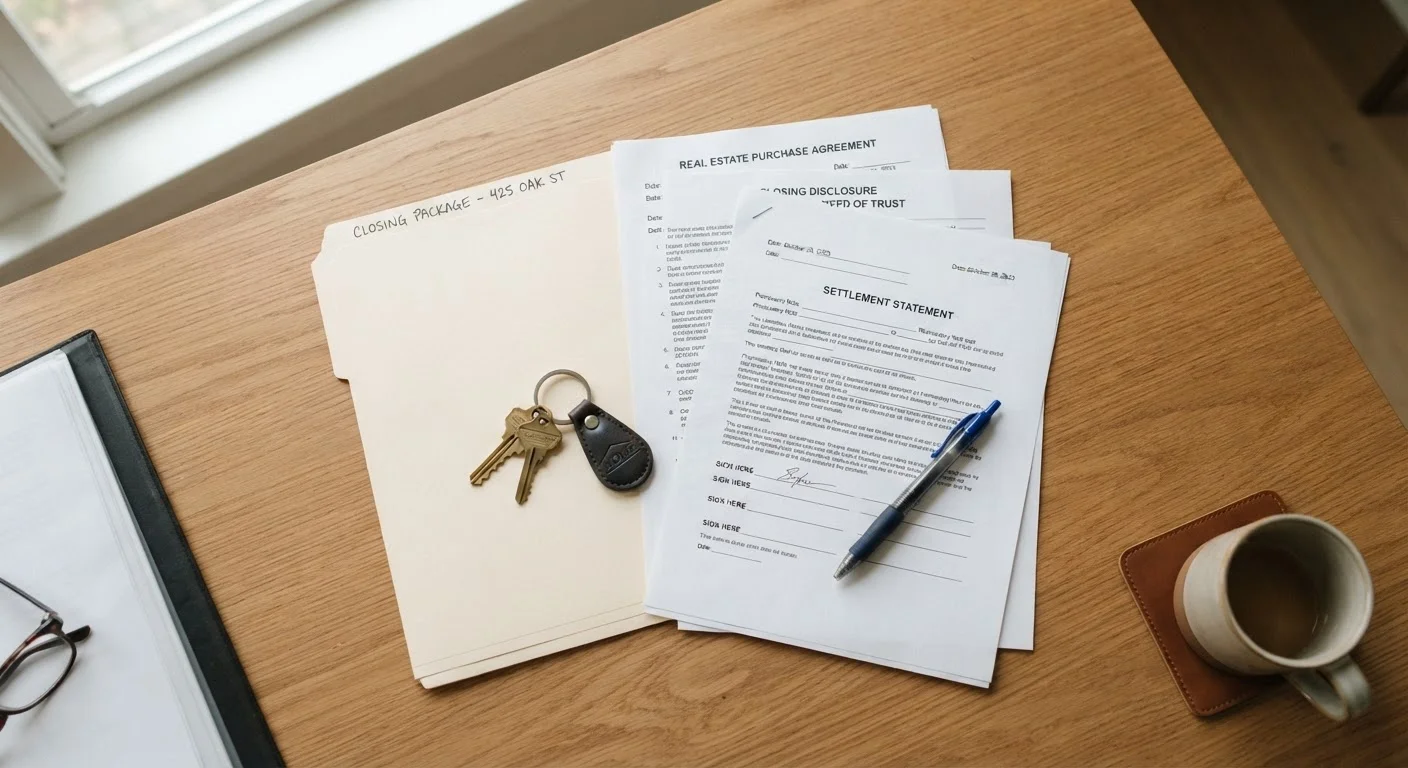
Photo: ReadersChronicle.com | Your Comprehensive Learning Destination editorial
—— In This Article
Key Takeaways
- Escrow is a neutral holding arrangement - neither buyer nor seller controls the funds during a transaction.
- A third-party escrow agent manages the account and releases assets only when all conditions are satisfied.
- Earnest money is typically deposited into escrow shortly after a purchase agreement is signed.
- Most mortgage lenders also require an ongoing escrow account to cover property taxes and insurance.
- If a deal falls through, escrow terms - not the other party - determine who gets the money back.
The Core Idea: A Neutral Holding Zone
Think of escrow as a secure waiting room for money and paperwork. When a buyer and seller agree on a home sale, neither party hands anything directly to the other. Instead, funds and key documents go to an independent escrow agent - typically a title company, escrow company, or attorney, depending on the state - who holds everything until every condition in the contract is satisfied.
This arrangement exists because the buyer and seller have competing interests. The buyer doesn't want to hand over a large sum until they know the home will legally transfer to them. The seller doesn't want to hand over the keys until they're certain they'll be paid. Escrow solves that standoff by putting a trusted neutral party in the middle.
For a broader look at the terminology you'll encounter throughout this process, see our guide to homebuying terms every first-timer should know.
1-3%
Typical earnest money deposit range
Most real estate professionals describe earnest money deposits as falling between 1% and 3% of the purchase price, though amounts vary by market and negotiation.
30-60 days
Typical escrow period length
The Consumer Financial Protection Bureau notes that the period between a signed purchase agreement and closing commonly ranges from 30 to 60 days, during which escrow remains open.
How Escrow Works During a Home Purchase
The escrow process typically begins as soon as a purchase agreement is signed. Here's what that timeline generally looks like:
- Earnest money deposit: The buyer submits a good-faith deposit - often 1-3% of the purchase price - which goes directly into the escrow account, not to the seller.
- Conditions are worked through: Over the following weeks, contingencies are resolved - home inspection, appraisal, title search, and mortgage approval. The escrow agent tracks each requirement.
- Closing day: The buyer's remaining funds (down payment plus closing costs) are wired to escrow. The escrow agent confirms all documents are signed and conditions are met, then disburses funds to the seller and records the deed.
For a step-by-step look at how money and documents actually move, our article on how escrow works in a home purchase walks through the full process.
The Second Kind of Escrow: Your Ongoing Mortgage Account
Many first-time buyers are surprised to learn that escrow doesn't end at closing. If you take out a mortgage, your lender will very likely require an escrow impound account - sometimes called a mortgage escrow account. Each month, a share of your mortgage payment is set aside in this account, and the servicer uses it to pay your property taxes and homeowners insurance on your behalf when those bills come due.
Lenders require this because unpaid property taxes or lapsed insurance are risks to their collateral - your home. From the borrower's perspective, it spreads large annual bills into smaller monthly amounts, which can simplify budgeting.
Escrow Account Shortfalls and Surpluses
If your escrow account doesn't hold enough to cover a tax or insurance bill, your servicer will cover the shortfall and then raise your monthly escrow payment to recover the difference. Conversely, if the account has too much, you may receive a small refund. These adjustments are explained in your annual escrow analysis statement, which servicers are required to provide.
If you're reviewing a loan estimate, look for the "Projected Payments" section - it will show you how much of your monthly payment is going toward the escrow account.
Why Escrow Matters for Budget-Conscious Buyers
Understanding escrow helps you avoid costly surprises. When you make your earnest money deposit, that money is real and at risk - knowing what conditions protect it (and what could cause you to forfeit it) is essential. Reviewing how contingencies work in real estate contracts before you sign anything is a wise first step.
On the mortgage side, knowing that your escrow payment changes over time - because property tax assessments and insurance premiums adjust - prepares you for shifts in your monthly payment. Your servicer is required to send you an annual escrow analysis showing how the account was used and whether your payment will change.
Real estate language can feel designed to confuse, but it doesn't have to. Our plain-language real estate glossary and list of terms that trip up first-time buyers are good references to keep nearby as you move through the process.
“Escrow exists to protect both sides of a transaction. Neither party has to trust the other - they only have to trust the process.”
— Real Estate Basics Editorial Team, Editorial Staff, Real Estate Basics
Frequently Asked Questions

Real Estate Basics Editorial Team
Real Estate Basics Editorial Team is the collective byline for our editorial team and contributor network. Articles published under this byline or an editorial pen name are researched, written, and reviewed according to our editorial standards for clarity, consistency, and independence before publication.
View author profile