
How Escrow Works in a Home Purchase
Escrow is mentioned constantly during homebuying but rarely explained. Here's how money and documents move through escrow at closing.
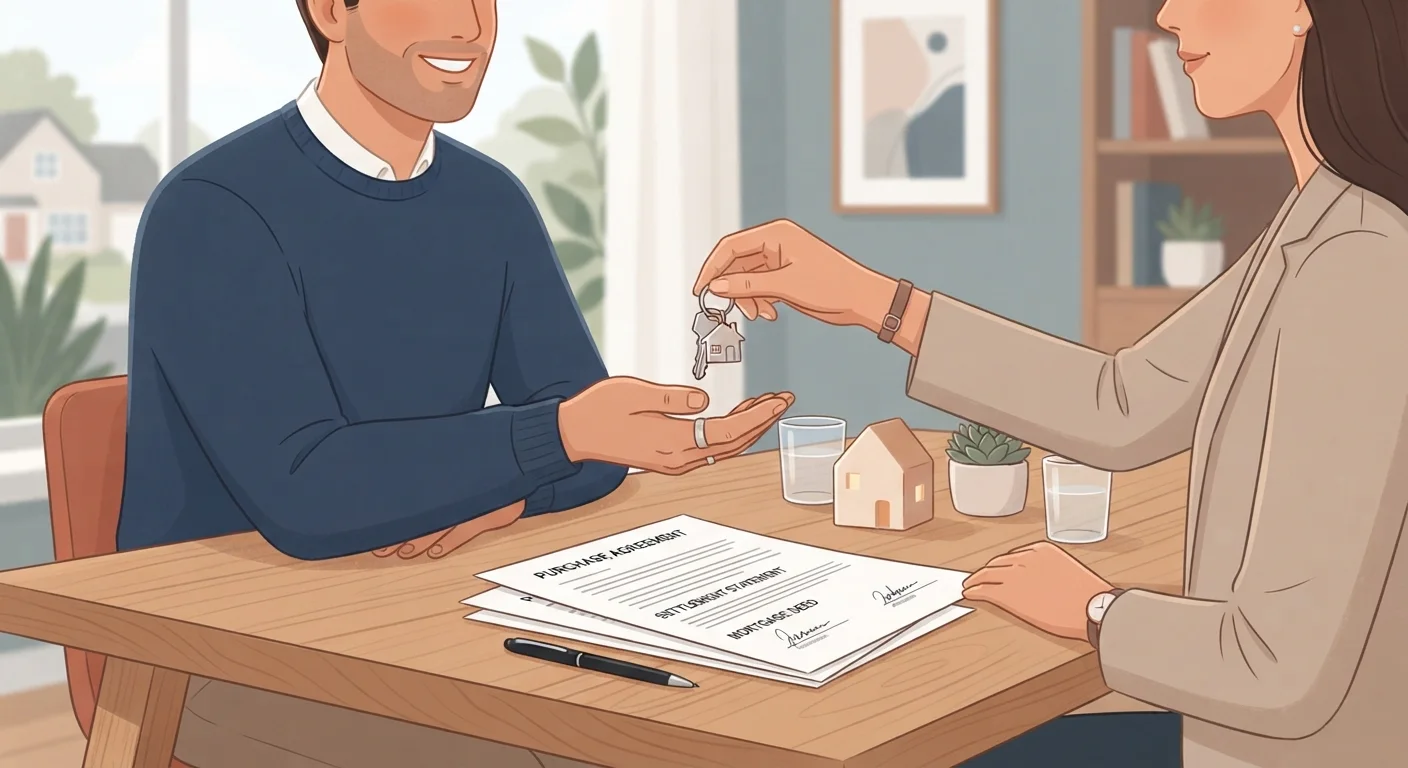
Photo: ReadersChronicle.com | Your Comprehensive Learning Destination editorial
—— In This Article
Key Takeaways
- Escrow protects both buyer and seller by holding funds with a neutral third party until all conditions are satisfied.
- The escrow period typically begins when an offer is accepted and ends at closing, often lasting 30-60 days.
- Earnest money is the buyer's first deposit into escrow, signaling serious intent to purchase.
- The escrow holder - not the buyer or seller - disburses funds and coordinates document transfers at closing.
- Mortgage lenders often maintain a separate ongoing escrow account for property taxes and insurance after the purchase closes.
What Escrow Actually Does
When a buyer and seller agree on a price, they don't immediately hand over cash and keys. Instead, the transaction moves into escrow - a structured holding period managed by an independent third party. This arrangement protects both sides: the seller knows the buyer's funds are secured, and the buyer knows the seller can't walk away with money before all conditions are met.
The escrow holder - which may be an escrow company, title company, or real estate attorney depending on the state - acts as a gatekeeper. They collect and hold deposits, verify that all contract conditions have been fulfilled, coordinate the signing of documents, and ultimately release funds and transfer the deed. For a broader look at the terminology you'll encounter throughout this process, see Homebuying Terms Every First-Timer Should Know.
Escrow Practices Vary by State
In some states, a title company or escrow company handles closing. In others, a real estate attorney is legally required to oversee the transaction. The mechanics of escrow are similar either way, but who manages it - and the exact terminology used - can differ depending on where the property is located. Your real estate agent or lender can tell you what to expect in your specific market.
How the Escrow Timeline Unfolds
Escrow typically opens the day a purchase contract is signed by both parties. Here's how the key stages generally play out:
- Earnest money deposit: Within days of offer acceptance, the buyer wires an earnest money deposit - usually 1-3% of the purchase price - into the escrow account. This signals genuine intent. Learn more about how contingencies protect this deposit in Contingencies in Real Estate Contracts, Explained.
- Inspections and contingency period: The buyer arranges a home inspection and, if using a mortgage, the lender orders an appraisal. During this window, contingencies in the contract can allow either party to cancel without penalty if certain conditions aren't met.
- Loan finalization: The lender completes underwriting and issues a clear-to-close - essentially final loan approval.
- Closing disclosure review: At least three business days before closing, the buyer receives a Closing Disclosure itemizing all costs and credits. For a full breakdown of what appears on that document, see What Closing Costs Include and Why They Catch People Off Guard.
- Closing day: The buyer wires remaining funds (down payment plus closing costs) into escrow. All parties sign documents. The escrow holder confirms everything is in order, disburses the purchase price to the seller, and records the new deed with the county.
30-60 days
Typical residential escrow period length
Most standard home purchases in the U.S. close within this window, though timelines vary by transaction complexity and local norms.
1-3%
Typical earnest money deposit range
Earnest money as a share of purchase price varies by market; competitive markets may expect deposits at the higher end of this range.
After Closing: The Ongoing Escrow Account
Once the purchase closes, escrow doesn't entirely disappear - it just changes form. Most mortgage lenders establish an ongoing escrow account (sometimes called an impound account) that collects a portion of each monthly mortgage payment to cover property taxes and homeowners insurance when those bills come due.
This ongoing account is separate from the closing-phase escrow and is managed by your mortgage servicer, not a title company. The servicer pays your tax and insurance bills directly from the account on your behalf. Some loan programs allow borrowers to waive this requirement if they have sufficient equity, though a fee may apply.
Understanding this distinction matters because you'll see the word "escrow" on your monthly mortgage statement for as long as you carry the loan - it simply refers to this ongoing collection mechanism, not the purchase transaction itself. For a complete walkthrough of how the homebuying process connects start to finish, see The Homebuying Process, Start to Finish.
Review Your Escrow Analysis Statement Each Year
Mortgage servicers are required to send an annual escrow analysis showing what was collected and paid out, and whether your account is short or surplus. If property taxes or insurance premiums increase, your monthly escrow payment may adjust upward. Reviewing this statement promptly helps you budget for any changes and catch errors early.
Frequently Asked Questions

Real Estate Basics Editorial Team
Real Estate Basics Editorial Team is the collective byline for our editorial team and contributor network. Articles published under this byline or an editorial pen name are researched, written, and reviewed according to our editorial standards for clarity, consistency, and independence before publication.
View author profile