
Homebuying Terms Every First-Timer Should Know
Earnest money, escrow, amortization — a plain-language reference for the terms you'll encounter throughout the homebuying process.
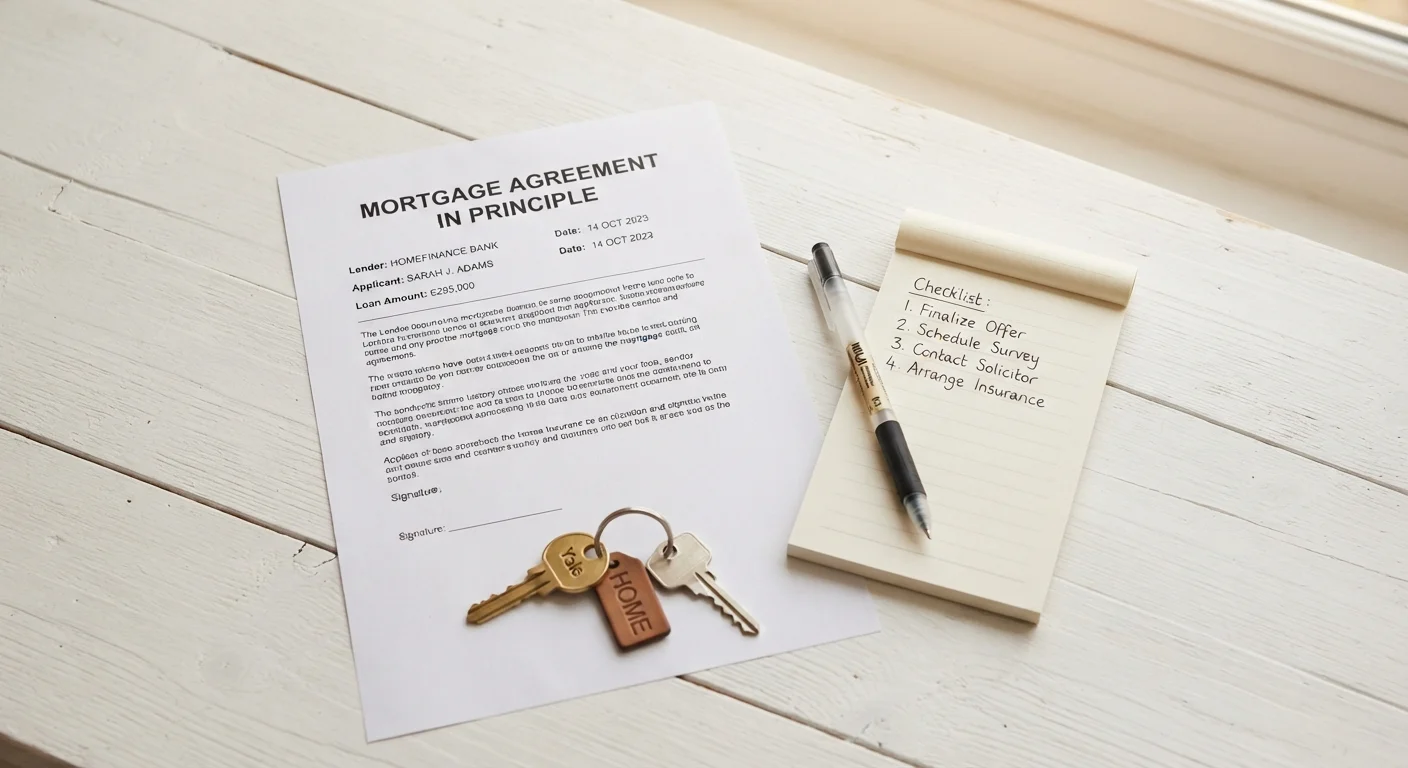
Photo: ReadersChronicle.com | Your Comprehensive Learning Destination editorial
—— In This Article
Why Vocabulary Matters Before You Start
Buying a home for the first time means signing documents, negotiating offers, and making financial commitments - often under time pressure. The terminology embedded in those conversations can be genuinely confusing, and misunderstanding a single term can have real consequences for your finances.
This reference covers the core words and phrases you're most likely to encounter, organized to mirror the homebuying timeline. For a broader look at the full process, see The Homebuying Process, Start to Finish. For buyers working with limited funds, Approaching the Homebuying Process on a Tight Budget is a useful companion.
| Typical earnest money amount | 1%-3% of purchase price (Varies by local market norms and negotiation) |
| Common closing cost range | 2%-5% of loan amount (Consumer Financial Protection Bureau general guidance) |
| Standard mortgage terms | 15 or 30 years (Most common amortization periods in the US) |
| Maximum DTI for many loan programs | 43%-50% (Varies by loan type and lender) |
| Minimum down payment (some programs) | As low as 3%-3.5% (FHA and certain conventional programs; eligibility conditions apply) |
Terms You'll Hear Before Making an Offer
These foundational terms shape how much you can borrow and what sellers will take seriously when you show up at a listing.
Pre-approval
A lender's formal written commitment to lend up to a specified amount, based on a verified review of your credit, income, and assets. It carries more weight than pre-qualification when making an offer.
Earnest money
A good-faith deposit submitted with a purchase offer to signal serious intent. It is held in escrow and may be forfeited if the buyer backs out without a valid contingency.
Escrow
A neutral third-party arrangement that holds funds or documents during a real estate transaction until all agreed-upon conditions are met and the sale can close.
Amortization
The schedule by which a mortgage is repaid in equal monthly installments over a set term, with each payment split between interest and principal in proportions that shift over time.
Contingency
A condition in a purchase contract that must be satisfied before the sale is final. Common contingencies cover financing approval, home inspection results, and appraisal value.
Down payment
The portion of a home's purchase price paid upfront in cash by the buyer. The remainder is typically financed through a mortgage loan.
Closing costs
Fees and expenses, beyond the down payment, due at the closing of a real estate transaction. They typically include lender charges, title insurance, and prepaid taxes or insurance.
Title insurance
An insurance policy that protects the buyer and lender against losses arising from disputes over property ownership or undiscovered claims against the title.
Lien
A legal claim against a property - often placed by a creditor - that must typically be resolved before ownership can be cleanly transferred to a new buyer.
Debt-to-income ratio
The percentage of a borrower's gross monthly income consumed by monthly debt payments. Lenders use this metric to evaluate whether a borrower can manage additional mortgage debt.
Pre-qualification is a lender's informal estimate of how much you might borrow, based on self-reported financial details. Pre-approval, by contrast, involves a formal credit check and document review - and carries far more weight with sellers. Debt-to-income ratio (DTI) is the percentage of your gross monthly income that goes toward debt payments; lenders use it to assess whether you can manage a mortgage payment on top of existing obligations.
The down payment is the upfront cash portion of the purchase price you pay yourself. The remaining balance is covered by your mortgage. Many buyers assume 20% down is required, but various programs allow qualified buyers to put down less - see Low Down Payment Programs for a general overview.
Terms That Appear During the Offer and Contract Stage
Once you identify a home you want to buy, the paperwork moves quickly. Knowing these terms helps you avoid costly surprises.
Earnest money is a good-faith deposit you submit with your offer to show the seller you're serious. It is typically held in escrow and applied toward your down payment or closing costs if the deal proceeds. Crucially, it is not always refundable - the conditions under which you can reclaim it depend on contingencies written into the contract. Earnest Money Misconceptions That Can Cost Buyers explains how this works in more detail.
Contingencies are conditions that must be met for the sale to proceed. Common examples include a financing contingency (you can exit if your loan falls through) and an inspection contingency (you can renegotiate or walk away based on inspection findings). Escrow refers to a neutral account - managed by a third party - that holds funds or documents during the transaction until all conditions are satisfied.
Contingencies Protect the Buyer - But Have Deadlines
Most purchase contracts include contingency periods with specific deadlines. If you miss a deadline - even unintentionally - you could lose your right to that protection and your earnest money deposit. Review all deadlines carefully with your agent or attorney and track them on a calendar. Never assume a contingency period extends automatically.
For help decoding listing language before you even reach the offer stage, see Reading a Listing Sheet.
Terms You'll See at Closing
Closing is the final step - where ownership transfers and you sign a stack of documents. These are the terms most likely to appear in that paperwork.
Amortization describes how your mortgage is structured so that equal monthly payments gradually pay off both the loan principal and interest over a set term (typically 15 or 30 years). In early years, the majority of each payment goes toward interest rather than reducing the principal balance. Amortization Explained walks through the math clearly.
Closing costs are fees and expenses - separate from the down payment - due at closing. They typically include lender fees, title insurance, attorney fees (where required), and prepaid property taxes or homeowners insurance. These commonly range from 2% to 5% of the loan amount, though the exact figure varies by location and lender.
Title insurance protects you (and your lender) against claims that someone else has a legal ownership interest in the property. A lien is one such claim - a legal hold on the property, often placed by a creditor owed money by a previous owner. A title search is conducted before closing to surface any liens or title defects. For a fuller glossary of real estate vocabulary, see Real Estate Jargon, Decoded.
This article is for general informational and educational purposes only and does not constitute financial, legal, or real estate advice. Consult a licensed real estate professional, attorney, or financial adviser for guidance specific to your situation.

Real Estate Basics Editorial Team
Real Estate Basics Editorial Team is the collective byline for our editorial team and contributor network. Articles published under this byline or an editorial pen name are researched, written, and reviewed according to our editorial standards for clarity, consistency, and independence before publication.
View author profile