
What a Home Inspector Actually Examines
A home inspection covers far more than a walk-through. Learn what inspectors assess, what's outside their scope, and how to use the report.
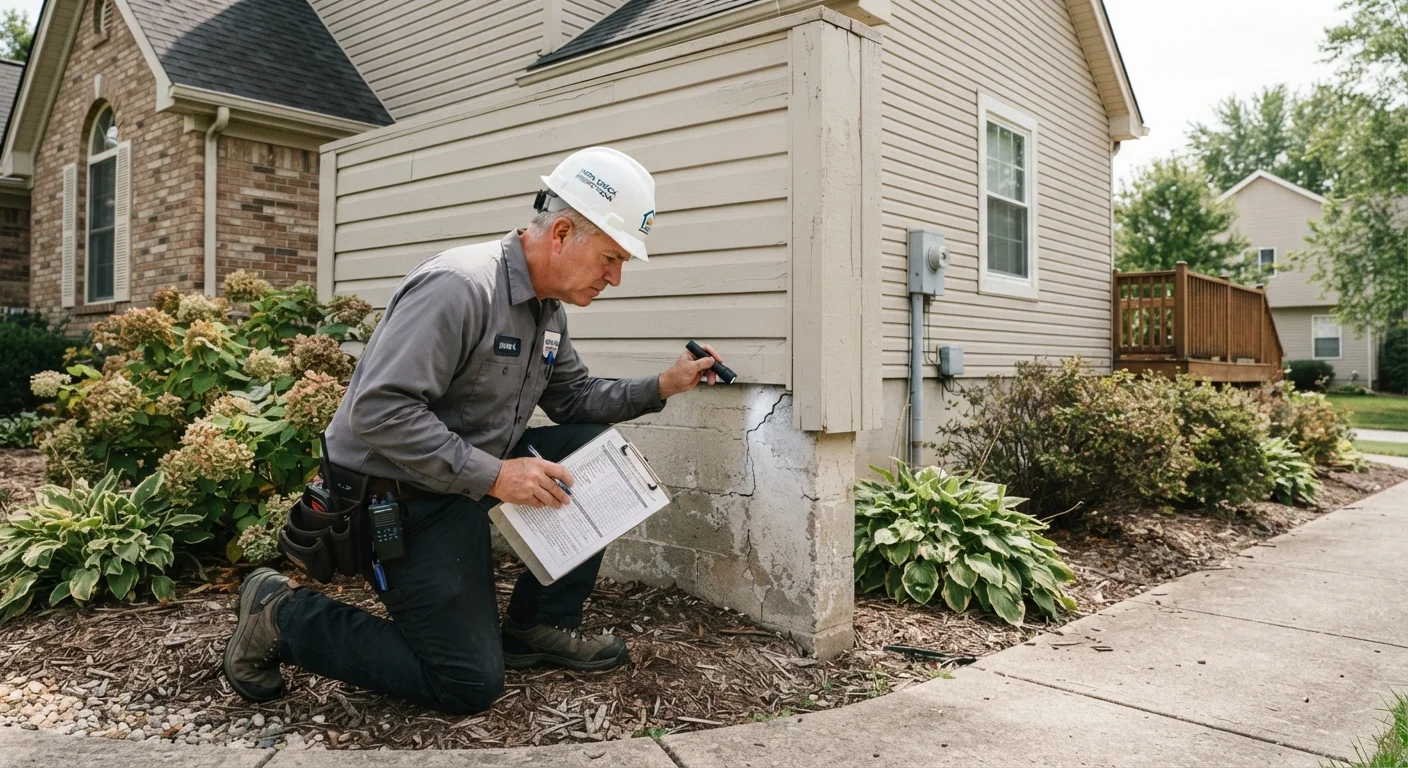
Photo: ReadersChronicle.com | Your Comprehensive Learning Destination editorial
—— In This Article
Key Takeaways
- Inspectors evaluate major structural and mechanical systems, not cosmetic features or minor wear.
- A home inspection is visual only - inspectors cannot open walls or test hidden components.
- Specialty inspections (mold, radon, sewer) are separate from a standard home inspection.
- The inspection report is a negotiating tool, not a mandatory repair list.
- Buyers should attend the inspection and ask questions directly on site.
What the Inspector Is Actually Evaluating
A standard home inspection follows a systematic checklist of visible, accessible components. Inspectors are trained to identify conditions that affect safety, habitability, or structural integrity - not to flag every scuff or aging fixture. Here is what falls within their typical scope:
- Roof: Shingles, flashing, gutters, downspouts, chimneys, and visible signs of water intrusion or deterioration.
- Foundation and structure: Visible cracks, settlement patterns, framing in accessible areas such as the basement or crawl space.
- Exterior: Siding, grading (whether the yard slopes away from the house), driveways, decks, and porches.
- Plumbing: Water pressure, drain function, water heater condition and age, and visible supply and drain lines.
- Electrical: Panel capacity, wiring type, grounding, GFCI outlet function, and visible safety hazards like double-tapped breakers.
- HVAC: Heating and cooling equipment operation, filter condition, ductwork, and venting.
- Insulation and ventilation: Attic insulation levels, ventilation adequacy, and moisture indicators.
- Interior: Doors, windows, floors, ceilings, walls, and stairs - primarily for function and visible damage rather than aesthetics.
First-time buyers often miss structural and practical details during a showing that a trained inspector is specifically looking for.
What Falls Outside an Inspector's Scope
Understanding the limits of a standard inspection is just as important as knowing what it covers. Inspectors work visually and non-invasively - they do not move furniture, open sealed walls, or dig up landscaping. Common exclusions include:
Specialty Inspections Require Separate Professionals
A general home inspector is not a licensed environmental consultant, pest control operator, or structural engineer. If your inspector notes signs of moisture, pest activity, or unusual settling, they will typically recommend a specialist rather than render a final diagnosis themselves. Budget for these add-ons when planning inspection costs, particularly on older or rural properties.
- Mold and air quality testing - requires a separate environmental specialist.
- Radon testing - a simple add-on test, but not always included by default.
- Sewer scope - a camera inspection of underground drain lines, often recommended for older homes.
- Pest or termite inspection - typically conducted by a licensed pest control company.
- Swimming pools and hot tubs - usually require a separate pool inspector.
- Detached structures - coverage of garages or outbuildings varies by inspector and contract.
Ask your inspector upfront what is and is not included in their standard fee, and inquire about specialty add-ons that may be relevant to the specific property.
How to Use the Inspection Report
After the visit, the inspector delivers a written report - often 30 to 60 pages - with photographs, descriptions, and severity ratings for each finding. The volume can feel overwhelming, but not every item demands immediate action.
Attend the Inspection in Person
Walking through with the inspector is one of the most valuable things a buyer can do. You will see issues firsthand, ask questions in real time, and leave with a clearer picture of the home's condition than any written report alone can convey. Most inspectors welcome and encourage buyer attendance.
Findings are generally grouped by urgency: safety hazards (address immediately), significant defects (potentially costly repairs), and maintenance items (routine upkeep). Focus your attention on the first two categories when deciding how to proceed.
The report is also a negotiation tool. Buyers can request that the seller make specific repairs, reduce the sale price, or provide a credit at closing to cover the cost of repairs. Sellers are not required to comply, but documented findings give buyers legitimate grounds to renegotiate or, if the inspection contingency allows, walk away from the deal.
Once you own the home, a good inspection report doubles as a maintenance roadmap. The quarterly maintenance checklist approach helps you stay ahead of the issues your inspector flagged before they become expensive emergencies.
~86%
Buyers who order a home inspection
According to the National Association of Realtors' Profile of Home Buyers and Sellers, the vast majority of recent buyers reported having a home inspection conducted.
30-60 pages
Typical length of a home inspection report
Modern inspection reports include photographs and condition ratings for each component, making them detailed reference documents for new homeowners.
Frequently Asked Questions

Real Estate Basics Editorial Team
Real Estate Basics Editorial Team is the collective byline for our editorial team and contributor network. Articles published under this byline or an editorial pen name are researched, written, and reviewed according to our editorial standards for clarity, consistency, and independence before publication.
View author profile