
Your HVAC Filter Is Doing More Work Than You Realize
A clogged HVAC filter affects air quality, energy bills, and system lifespan. Here's what homeowners need to know about replacement schedules and filter ratings.
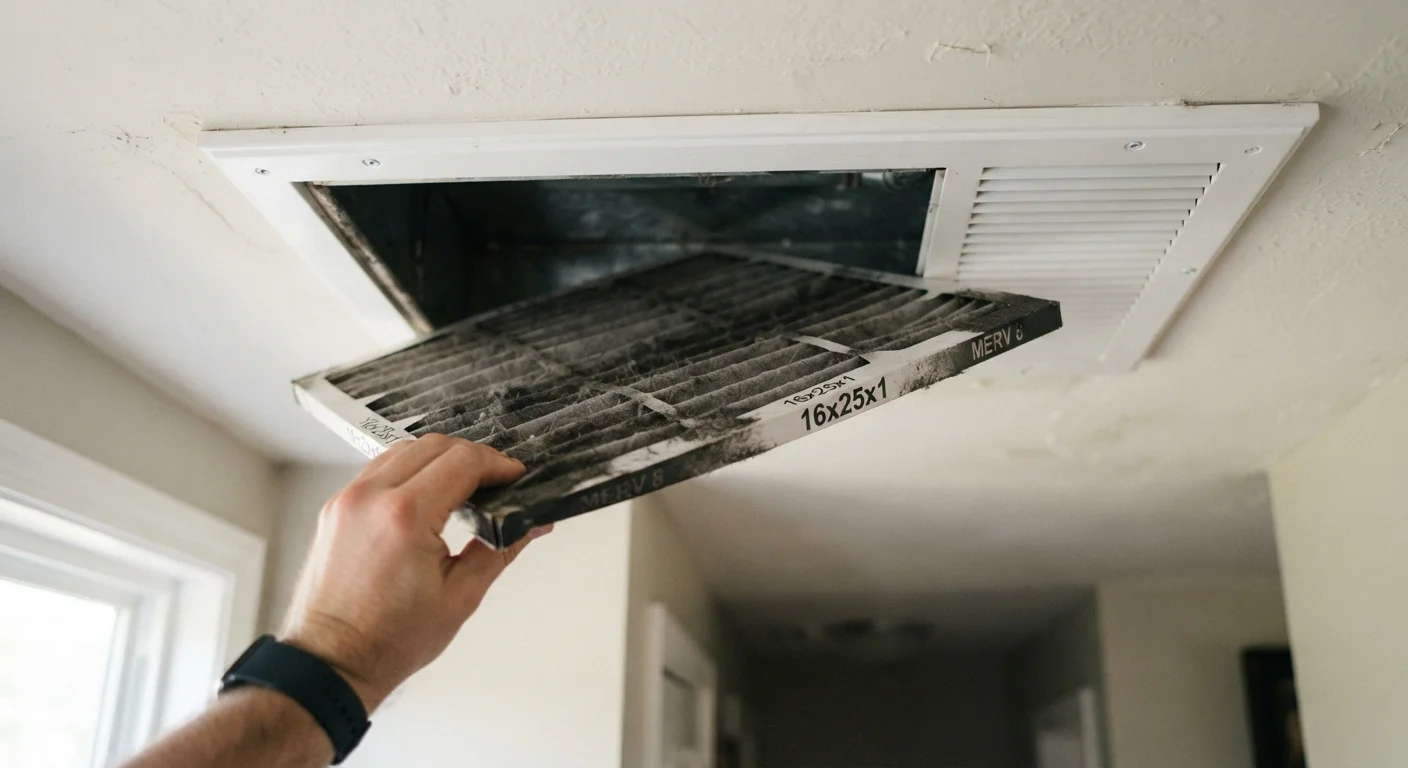
Photo: ReadersChronicle.com | Your Comprehensive Learning Destination editorial
—— In This Article
Key Takeaways
- A clogged filter forces your HVAC system to run longer, raising energy bills noticeably.
- Most standard filters should be replaced every 1 to 3 months, depending on household conditions.
- MERV ratings tell you how fine a filter's mesh is - higher isn't always better for every system.
- Neglecting filter changes can shorten the lifespan of your entire HVAC unit.
- Homes with pets or allergy sufferers typically need more frequent filter replacements.
What Your Filter Is Actually Doing
Your HVAC filter sits at the return air vent - the large grilled opening where your home's air gets pulled back into the system. Every time your furnace or air conditioner runs, air passes through this filter before it reaches the blower, heat exchanger, or coils. That means the filter is on duty constantly, catching dust, pet hair, pollen, mold spores, and other particles before they coat the system's inner workings.
The job is twofold: protect the equipment and improve the air your family breathes. These two goals are connected. When a filter is clean, air flows freely, the system runs efficiently, and particles are captured effectively. When the filter is clogged, both goals suffer simultaneously.
Your Filter Is Part of a Bigger Maintenance Picture
HVAC filter replacement is just one piece of routine home upkeep. Systems that receive regular filter changes still benefit from annual professional inspections to check refrigerant levels, coil cleanliness, and electrical connections. No single maintenance task covers everything.
This is one reason filter replacement appears on nearly every HVAC technician's short list of things homeowners overlook. See our guide to home maintenance myths for other common oversights that lead to avoidable repair bills.
What Happens When You Skip Filter Changes
A dirty filter doesn't just reduce air quality - it creates a chain reaction of problems throughout your system.
- Higher energy bills: Restricted airflow forces the blower motor to run longer to move the same amount of air. That extra run time translates directly into higher electricity usage.
- Reduced comfort: Less airflow means uneven heating or cooling. Some rooms may feel stuffy or fail to reach the set temperature.
- Equipment wear: The blower motor working against a clogged filter generates more heat. Over time, this stresses components, including the heat exchanger in a furnace - one of the most expensive parts to replace.
- Worse indoor air quality: A saturated filter can't capture new particles effectively and may even release trapped ones back into the air.
5-15%
Potential energy savings from regular filter replacement
The U.S. Department of Energy has noted that replacing a clogged HVAC filter can reduce system energy consumption by a meaningful margin.
1-3 months
Recommended replacement interval for standard 1-inch filters
Most HVAC manufacturers and industry guidelines recommend this range for typical residential use under normal household conditions.
$150-$300
Estimated cost of a basic HVAC service call
Many service calls trace back to restricted airflow from neglected filters - a problem that a timely filter change could have prevented.
Think of it like other small habits that quietly damage expensive equipment - similar to the everyday routines that shorten device lifespans. Small neglect, compounded over time, becomes a costly repair.
Understanding Filter Ratings: MERV Explained
When shopping for a replacement filter, you'll see the MERV scale on most packaging. Here's what the ranges generally mean for residential use:
| MERV Range | What It Captures | Typical Use |
|---|---|---|
| 1-4 | Large dust, lint, carpet fibers | Basic protection only |
| 5-8 | Mold spores, dust mite debris, pet dander | Standard residential |
| 9-12 | Fine dust, auto emissions, some allergens | Allergy-sensitive households |
| 13-16 | Bacteria, smoke, very fine particles | Hospital-grade; may restrict home HVAC airflow |
Most HVAC manufacturers recommend staying in the MERV 8-12 range for home systems. Going higher without confirming your system can handle the reduced airflow may actually cause more harm than good. When in doubt, check your system's manual or consult a licensed HVAC technician.
Set a Calendar Reminder for Filter Checks
Pick a recurring date - the first of every month works well - to pull your filter and check its condition. Keep a spare filter on hand so replacement is never delayed by a hardware store trip. Storing the correct size filter near your HVAC unit makes the habit nearly effortless.
How Often Should You Replace Your Filter?
General guidelines depend on filter thickness and household conditions:
- 1-inch filters: Every 1-3 months
- 4- to 5-inch media filters: Every 6-12 months
- Homes with pets or allergy sufferers: Lean toward the shorter end of any range
- Vacation homes or low-occupancy spaces: You may extend the interval slightly
Rather than guessing, build a habit: check the filter visually every month by holding it up to light. If you can't see through it clearly, replace it. This quick monthly check takes under two minutes and is one of the lowest-cost maintenance tasks with the highest return on home longevity.
Note the filter size printed on the edge of your current filter before purchasing a replacement. Sizes are not universal, and using a poorly fitting filter leaves gaps where unfiltered air bypasses the media entirely.
Frequently Asked Questions

Home Editorial Team
Home Editorial Team is the collective byline for our editorial team and contributor network. Articles published under this byline or an editorial pen name are researched, written, and reviewed according to our editorial standards for clarity, consistency, and independence before publication.
View author profile