
Car Battery Basics: What Drains It, What Kills It, and What to Watch For
Understand how your car battery works, what shortens its lifespan, and how to recognize signs it may be approaching the end.
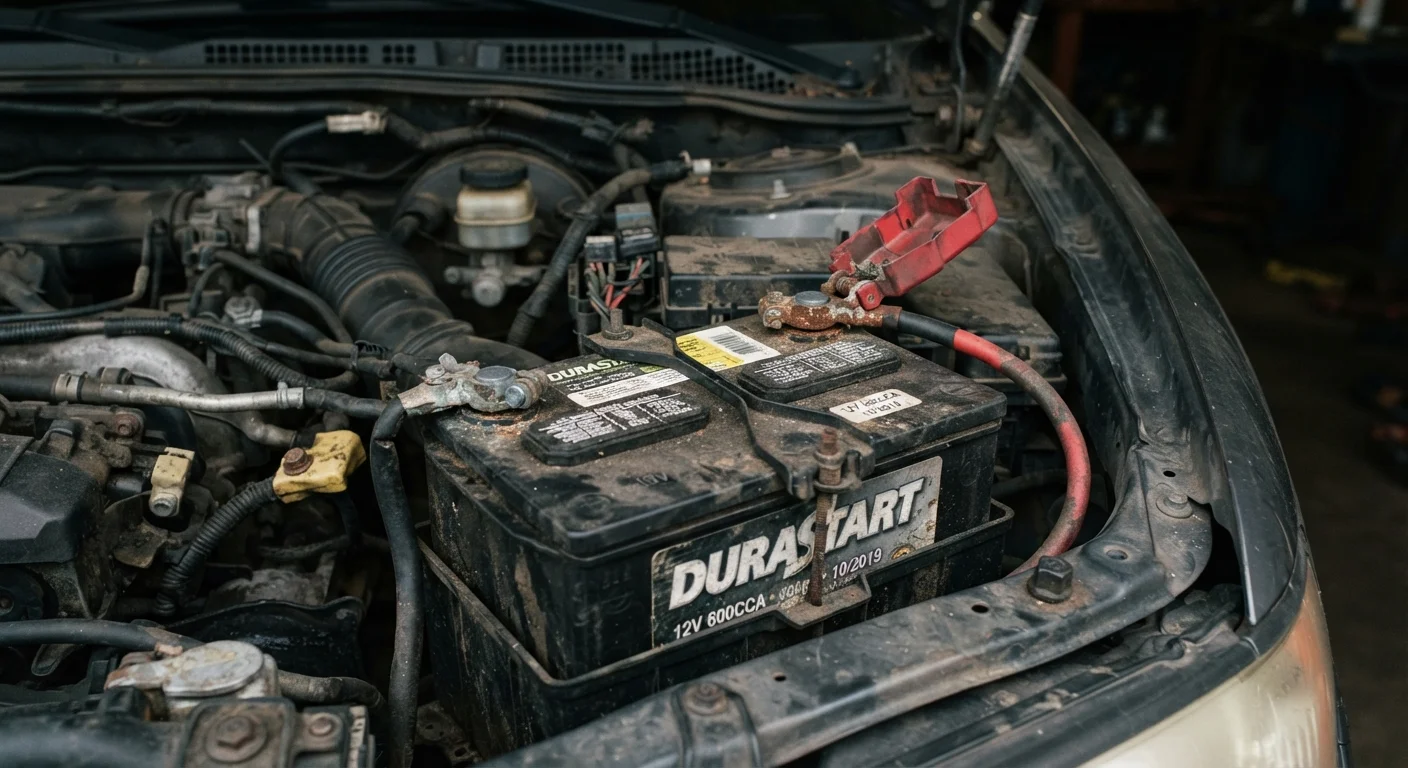
Photo: ReadersChronicle.com | Your Comprehensive Learning Destination editorial
—— In This Article
Key Takeaways
- Most car batteries last 3-5 years under typical driving conditions.
- Extreme heat is often more damaging to batteries than cold weather.
- Short, frequent trips can prevent a battery from fully recharging.
- Leaving lights or electronics on is one of the most common causes of a dead battery.
- A slow or struggling engine crank is often the first warning sign of a weakening battery.
How a Car Battery Actually Works
Your car battery does two main jobs: it delivers the burst of energy needed to crank the engine, and it powers electronics - lights, radio, power windows - when the engine is off. Once the engine is running, the alternator takes over and simultaneously powers the electrical system and recharges the battery.
Inside the battery, a chemical reaction between lead plates and sulfuric acid produces electricity. Each time the battery discharges and recharges, those plates degrade slightly. Over hundreds of cycles, the battery's capacity gradually shrinks until it can no longer reliably start the engine.
This is why battery age matters just as much as how the battery looks. A battery can appear fine on the outside while its internal capacity has dropped significantly.
3-5 years
Typical car battery lifespan
Industry sources generally cite this range for standard 12-volt lead-acid batteries under typical US driving conditions.
~50%
Battery capacity loss in extreme cold
At 0°F, a lead-acid battery may deliver only about half its rated capacity, according to general battery performance data.
Top 3
Battery among most common roadside failures
Battery-related issues consistently rank among the leading causes of roadside assistance calls in the US.
What Drains Your Battery
The most obvious drain is something left on - an interior light, a phone charger, or headlights. These pulls can flatten a healthy battery overnight. But there are less obvious drains too.
- Short trips: If most of your driving is under 15-20 minutes, the alternator may not have enough time to fully recharge what the starter motor used. Over weeks, this creates a cumulative deficit.
- Parasitic draw: Some electronic modules in modern cars continue drawing small amounts of power after the ignition is off. A faulty relay or aftermarket accessory can turn a normal trickle into a serious drain.
- Extreme temperatures: Cold thickens engine oil and forces the starter to work harder, pulling more from the battery. Heat, on the other hand, speeds up internal chemical reactions that degrade the battery's structure over time.
If you suspect an unusual drain, a mechanic can perform a parasitic draw test to pinpoint the source. This is worth doing before replacing the battery, since a new battery won't solve an underlying electrical problem.
Quick Check Before Winter Hits
Have your battery load-tested in the fall, not after the first cold snap. Many auto parts stores offer this free. A battery that tests marginal in October is likely to fail in January - catching it early gives you time to plan rather than react.
What Actually Kills Batteries Over Time
Age and heat are the two biggest long-term killers. High under-hood temperatures - common in hot climates or during summer - cause the battery's internal fluid to evaporate and accelerate plate corrosion. This damage is cumulative and largely invisible until the battery fails.
Deep discharges also take a toll. A lead-acid battery that's run all the way down repeatedly suffers more wear than one that's kept in a moderate state of charge. This is one reason maintenance habits that quietly shorten a car's life often include things like extended periods of vehicle storage without a trickle charger.
Overcharging is a less common but real risk. A failing alternator that outputs too much voltage can cook a battery from the inside. If your battery is dying repeatedly, the alternator's output should be checked before installing a new battery.
Battery and Alternator Work Together
A failing alternator can kill a new battery in a matter of days by either undercharging or overcharging it. If you've replaced your battery more than once in a short period, have the charging system tested. Replacing only the battery without checking the alternator is a common - and costly - mistake.
Warning Signs to Watch For
Catching a weakening battery before it leaves you stranded is mostly about paying attention. Here's what to notice:
- Slow or labored cranking: The engine turns over sluggishly when you start it, especially first thing in the morning or on cold days.
- Dim headlights at idle: Lights that brighten when you rev the engine suggest the battery isn't holding charge well.
- Frequent need for a jump-start: One jump-start might mean you left a light on. Needing it regularly means the battery itself is the problem.
- Swollen battery case: Heat damage can cause the outer casing to bulge. A swollen battery should be inspected by a professional promptly.
- Corrosion on terminals: White or bluish buildup around the terminals can interfere with the connection and in some cases signals a battery that's venting excessively.
If you're newer to vehicle ownership, car maintenance basics for new drivers covers how to work these checks into a regular routine without feeling overwhelmed.
Most auto parts stores will test your battery's charge and health for free. Having it checked annually - especially after the third year - gives you a useful baseline and advance warning before failure.
This article is for general informational purposes only. For diagnosis or repair of vehicle electrical issues, consult a qualified mechanic.
Frequently Asked Questions

Cars Editorial Team
Cars Editorial Team is the collective byline for our editorial team and contributor network. Articles published under this byline or an editorial pen name are researched, written, and reviewed according to our editorial standards for clarity, consistency, and independence before publication.
View author profile