
Air Filters, Cabin Filters, and the Difference Between Them
Many drivers don't realize their car has two separate filters with very different jobs. Here's what each one does and when to replace it.
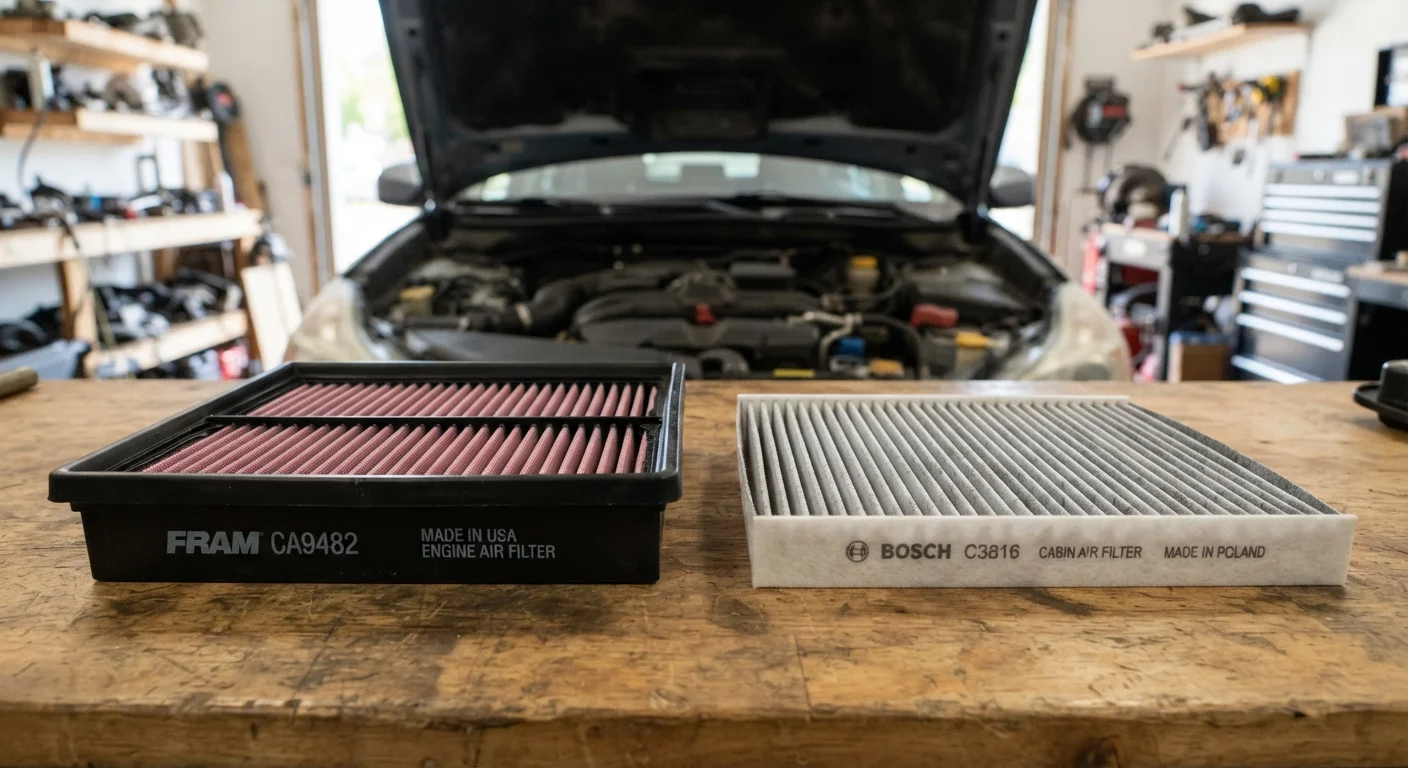
Photo: ReadersChronicle.com | Your Comprehensive Learning Destination editorial
—— In This Article
Key Takeaways
- Your car has two separate filters - one for the engine, one for the passenger cabin.
- The engine air filter protects your engine; the cabin air filter cleans the air you breathe.
- Each filter has its own replacement schedule, typically every 15,000-30,000 miles.
- Both filters are often simple enough for a confident DIYer to replace without tools.
- Neglecting either filter can cost you - in engine wear or in poor interior air quality.
Two Filters, Two Completely Different Jobs
Most drivers know their car has an air filter. Fewer realize it has two - and mixing them up is a common source of confusion at the shop. The engine air filter and the cabin air filter sit in different locations, serve different purposes, and follow different replacement schedules. Understanding both helps you make smarter decisions about maintenance without overpaying or overlooking something important.
The engine air filter sits in the engine bay, typically inside a plastic housing connected to the intake system. Its job is to block dust, dirt, and debris from entering the engine with the air it needs for combustion. A clean engine air filter helps the engine breathe properly, which supports performance and fuel efficiency.
The cabin air filter is usually tucked behind the glove box or under the dashboard. It filters the air that flows through your car's heating, ventilation, and air conditioning (HVAC) system - the air you and your passengers actually breathe. It catches pollen, dust, mold spores, and other particulates before they circulate inside the cabin.
| Criterion | Engine Air Filter | Cabin Air Filter |
|---|---|---|
| Location | Engine bay, intake housing | Behind glove box or under dash |
| Protects | Engine internals | Cabin air quality |
| Filters out | Dust, dirt, debris from road | Pollen, dust, mold spores, pollutants |
| Typical interval | 15,000-30,000 miles | 15,000-25,000 miles |
| Warning signs | Reduced power, worse fuel economy | Musty smell, weak airflow from vents |
| DIY difficulty | Easy to moderate | Easy (often tool-free) |
When to Replace Each Filter
Replacement intervals vary by vehicle and driving conditions, but general guidelines give you a useful starting point.
Most manufacturers suggest replacing the engine air filter every 15,000 to 30,000 miles, though vehicles driven in dusty environments may need it sooner. A visibly dirty or gray filter - one that used to be white or off-white - is a clear sign it's time. Some vehicles make engine air filter replacement straightforward enough that many drivers handle it themselves. For a broader look at which maintenance tasks are DIY-friendly and which genuinely require a professional, see our guide to DIY car maintenance vs. shop visits.
The cabin air filter is typically recommended for replacement every 15,000 to 25,000 miles, though a musty smell from the vents or noticeably weaker airflow can signal it's clogged before you hit that mark. Many cabin filters are accessible without any tools - often behind the glove box - making this one of the easier DIY maintenance tasks.
25,000 miles
Typical cabin filter max interval
Most vehicle owner's manuals recommend cabin filter replacement within the 15,000-25,000-mile range, though conditions vary.
~10-15%
Potential fuel economy loss from clogged engine filter
The U.S. Department of Energy has noted that a severely restricted air filter can reduce fuel economy in older carbureted vehicles; effects on modern fuel-injected vehicles vary.
What Happens If You Skip Them
Neither filter is optional in the long run. A neglected engine air filter forces the engine to pull air through a clogged barrier, which can reduce power output and fuel economy over time. In severe cases, excess dirt can reach engine components where it doesn't belong - contributing to wear that's costly to address later.
A neglected cabin air filter doesn't threaten the engine, but it does degrade the driving experience and air quality inside the car. A fully clogged cabin filter can also strain the HVAC blower motor, which is a more expensive fix than the filter itself. If you're interested in how similar dynamics play out at home, our related piece on what your home HVAC filter is actually doing covers the same principle in a household context.
Check Your Owner's Manual First
Replacement intervals listed here are general guidelines. Your vehicle's owner's manual will have the manufacturer's specific recommendation for both filters, and it's the most reliable reference point. Some vehicles also place cabin filters in less accessible spots - the manual will tell you exactly where to look.
Checking both filters during the same service visit is a practical habit - they often live close enough together in effort and cost that doing them at the same time just makes sense.

Cars Editorial Team
Cars Editorial Team is the collective byline for our editorial team and contributor network. Articles published under this byline or an editorial pen name are researched, written, and reviewed according to our editorial standards for clarity, consistency, and independence before publication.
View author profile