
The Pre-Purchase Inspection: What Happens and Why It Matters
A mechanic's inspection before buying a used car can surface issues no test drive reveals. Here's what the process involves and what to ask for.
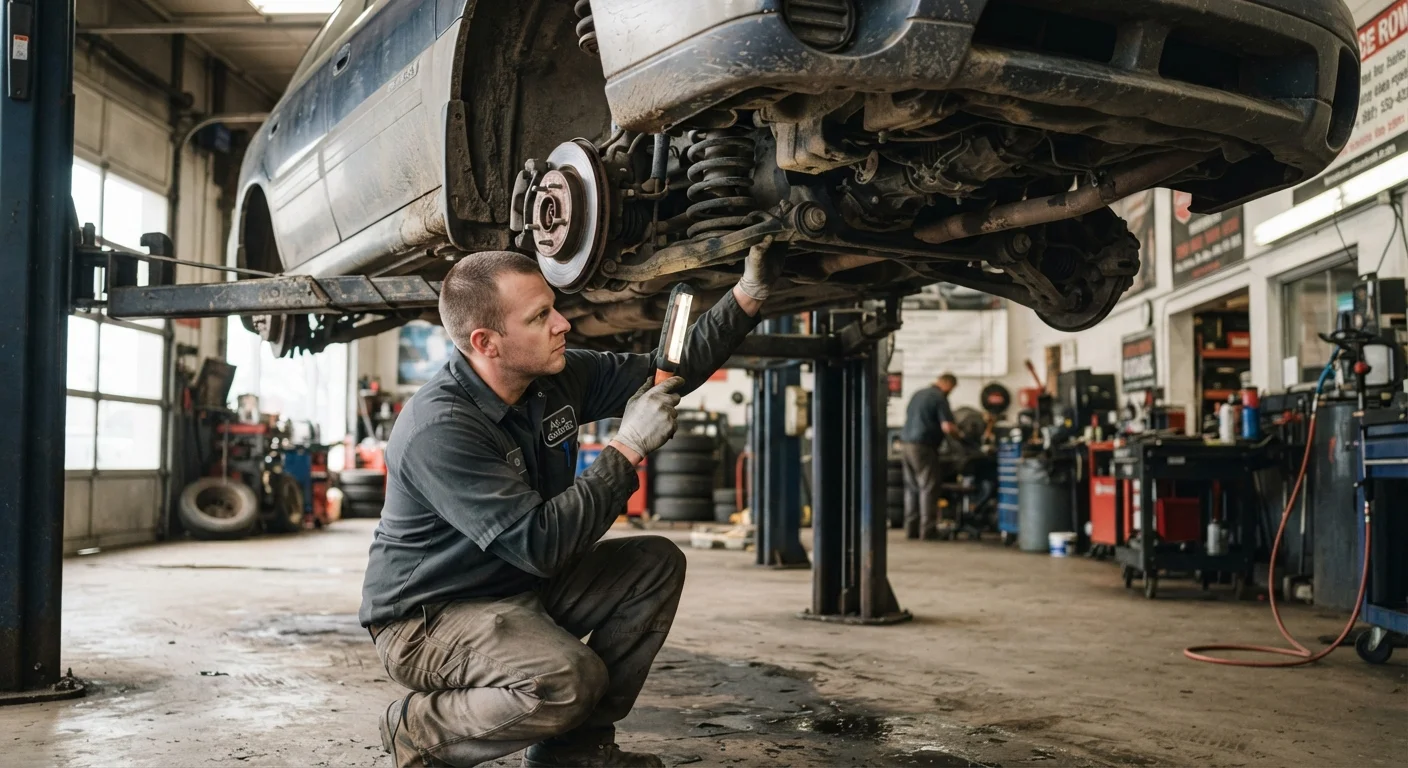
Photo: ReadersChronicle.com | Your Comprehensive Learning Destination editorial
—— In This Article
Key Takeaways
- A pre-purchase inspection (PPI) is conducted by an independent mechanic before you commit to buying.
- It typically costs $100-$200 and surfaces problems no test drive will reveal.
- Always choose the mechanic yourself - not someone the seller recommends.
- The inspection covers mechanical systems, body condition, undercarriage, and often a diagnostic scan.
- Findings can give you negotiating leverage or a clear reason to walk away.
What a Pre-Purchase Inspection Actually Is
A pre-purchase inspection (PPI) is a structured mechanical review of a used vehicle, carried out by a licensed mechanic before you buy it. It's different from a test drive - you're listening to a car during a test drive, but a mechanic is looking at it, from underneath, under the hood, and through a diagnostic scanner.
The goal isn't to find a reason to kill the deal. It's to know exactly what you're buying. A car that needs $1,800 in repairs isn't necessarily a bad buy - but you should know about it before you hand over your money, not after. Used alongside a vehicle history report, a PPI rounds out the picture. If you want a full framework for that process, see our used car buyer's checklist before you get to this step.
PPIs apply to private-party sales, dealership purchases, and even certified pre-owned vehicles - CPO programs vary widely, and an independent inspection is a reasonable second opinion regardless of what the label promises.
What you will need
How to Set One Up
The logistics are straightforward, but a few details matter.
Get the seller's agreement first
Before booking anything, confirm with the seller that they'll allow the car to be taken to (or inspected by) a third-party mechanic. A private seller or dealership who refuses a PPI is a significant red flag. Reputable sellers generally expect this request.
Choose your own mechanic
Pick a shop you found independently - through a referral, a professional association like AAA, or reviews on a platform you trust. Do not use a mechanic the seller recommends. The independence of the inspector is what gives the report its value.
Confirm the inspection scope and cost upfront
Call the shop before you bring the car in. Ask what's included, whether they perform an OBD-II diagnostic scan, and what the total fee will be. Request that they provide a written report at the end, not just a phone call summary.
Be present if you can
Attending the inspection in person lets you ask questions as the mechanic works. You can see exactly what they're pointing out, which is far more useful than reading a report cold. If you can't attend, ask for photos of any problem areas.
Use the report before you negotiate
Once you have the written findings, review each item. Categorize issues by severity: safety-critical repairs, near-term maintenance items, and cosmetic concerns. Bring the report to the negotiation - it's your strongest factual tool for discussing price adjustments or asking the seller to address specific repairs.
What the Mechanic Will Examine
A thorough PPI covers several areas. Not every shop does every item, so confirm the scope before you book.
- Engine and transmission: Fluid condition, leaks, belt wear, transmission response
- Brakes and suspension: Pad thickness, rotor condition, shocks, tie rods, and bushings
- Undercarriage: Rust, frame damage, signs of a prior collision repair
- Body and paint: Panel gaps, overspray, or mismatched paint that can indicate unreported bodywork
- HVAC and electrical: Air conditioning, heat, windows, lights, and accessory function
- OBD-II diagnostic scan: Checks for stored fault codes, including any codes that have been cleared recently
- Tires: Tread depth, even wear patterns, and age (check the sidewall date code)
When the inspection is complete, ask for a written report - not just a verbal summary. That document becomes a negotiating tool. If the car needs work, you have a factual basis to ask the seller to adjust the price or handle specific repairs before closing. If the list is serious enough, walking away is the right call. For ongoing upkeep after purchase, our car maintenance hub covers what to expect mile by mile.
Ask About Deferred Maintenance Too
Beyond active problems, a good mechanic will flag items that are due soon - like timing belts, coolant flushes, or aging brake fluid. These aren't failures yet, but they represent real costs coming your way. Factor them into your total purchase price, not just the sticker.
Don't Skip It on 'Newer' Used Cars
A low-mileage or late-model used car can still carry hidden damage from a flood, a collision, or deferred maintenance. The inspection fee is a small fraction of the vehicle's cost. Skipping it to save $150 on a $12,000 purchase is rarely worth the risk.

Cars Editorial Team
Cars Editorial Team is the collective byline for our editorial team and contributor network. Articles published under this byline or an editorial pen name are researched, written, and reviewed according to our editorial standards for clarity, consistency, and independence before publication.
View author profile