
Liability, Collision, and Comprehensive: What Each Coverage Actually Covers
Understand the three core auto insurance coverage types, what each protects against, and why the distinction matters when something goes wrong.
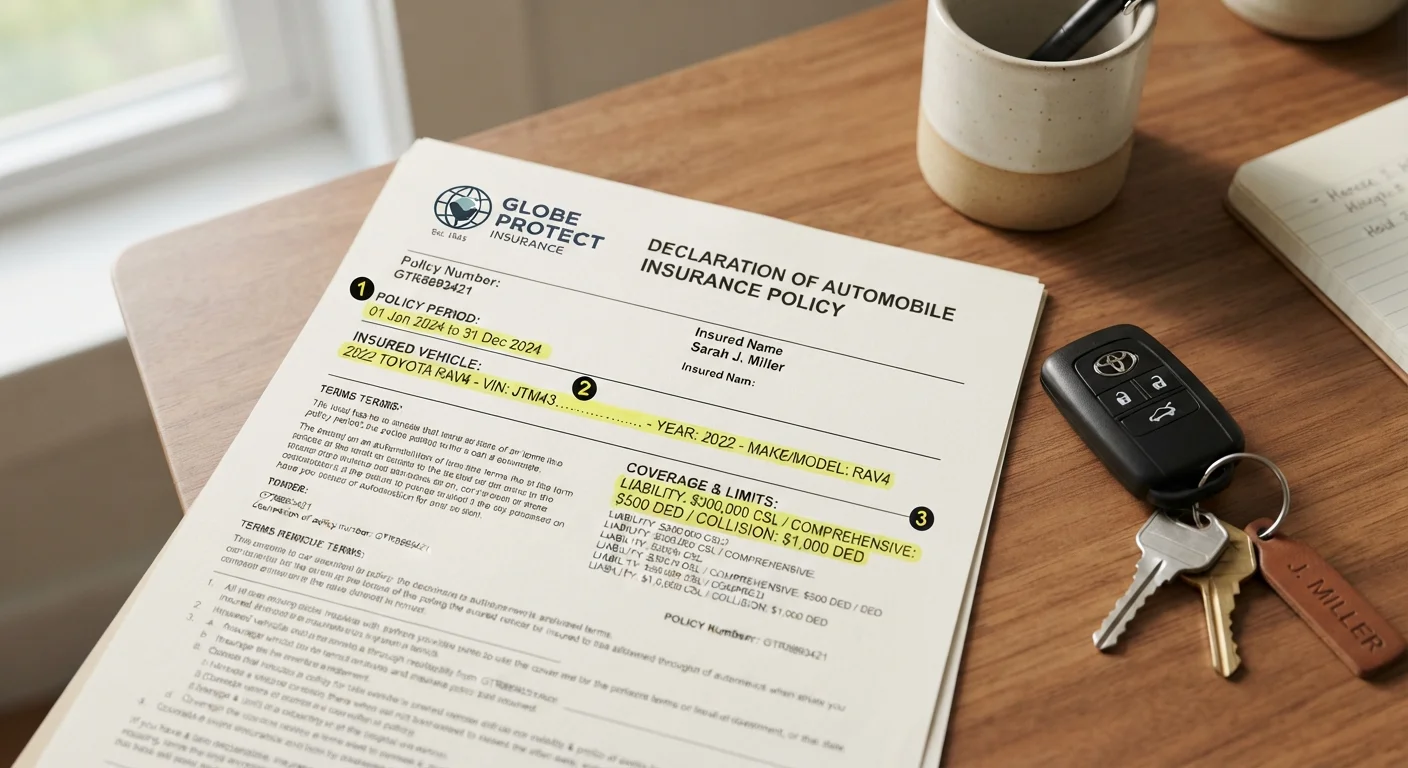
Photo: ReadersChronicle.com | Your Comprehensive Learning Destination editorial
—— In This Article
Key Takeaways
- Liability coverage is legally required in nearly every US state and protects others when you're at fault.
- Collision coverage pays to repair or replace your car after an accident, regardless of who caused it.
- Comprehensive coverage handles non-collision events like theft, hail, flooding, or animal strikes.
- Only carrying liability leaves your own vehicle unprotected if you cause a crash.
- Financed or leased vehicles almost always require both collision and comprehensive by contract.
Liability Coverage: Protecting Others When You're at Fault
Liability coverage is the foundation of any auto policy and the only type required by law in nearly every US state. It kicks in when you cause an accident and pays for the other party's costs - not yours.
Most liability policies have two components:
- Bodily injury liability: Covers medical expenses, lost wages, and legal costs if you injure someone in a crash you caused.
- Property damage liability: Pays to repair or replace another person's vehicle or property you damaged.
You'll often see limits written as three numbers, like 25/50/25. That shorthand means $25,000 per injured person, $50,000 per accident for all injuries combined, and $25,000 for property damage. State minimums vary, and carrying only the minimum can leave you personally on the hook if a serious accident exceeds those limits.
One thing liability does not do: pay for your own vehicle or your own medical bills. For that, you need other coverages. For a fuller picture of how all these pieces fit together, see our plain-language guide to auto insurance.
Liability Limits and Personal Exposure
State minimum liability requirements are often too low to cover costs from a serious accident. If a court judgment against you exceeds your policy limits, the difference can come from your personal assets. Many financial advisers suggest carrying liability limits well above the state minimum, though the right amount depends on your personal financial picture.
Collision Coverage: When Your Car Takes the Hit
Collision coverage pays to repair or replace your vehicle when it's damaged in a crash - whether you hit another car, a guardrail, or a telephone pole. Crucially, it applies regardless of who was at fault.
Here's what that means in practice: if you rear-end someone and your car needs $6,000 in repairs, collision coverage pays for your vehicle (minus your deductible). Liability pays for theirs.
Collision coverage is subject to your deductible - the amount you agree to pay before insurance steps in. Common deductible amounts range from $250 to $1,000. Choosing a higher deductible typically lowers your premium but means more out-of-pocket expense when you file a claim.
~13%
Estimated share of US drivers who are uninsured
According to the Insurance Research Council, roughly 1 in 8 drivers on US roads carries no auto insurance, which underscores the value of uninsured motorist coverage alongside your liability policy.
$5,000+
Average collision claim payout
Industry data from the Insurance Information Institute suggests average collision claim payouts have risen steadily, making out-of-pocket repair costs a significant financial risk without coverage.
If your car is financed or leased, your lender almost certainly requires collision coverage. Once a vehicle is paid off, carrying it becomes a personal financial decision. Our article on gap insurance explains another layer of protection worth considering if you still owe more than the car is worth.
Comprehensive Coverage: Everything Else That Can Go Wrong
Comprehensive coverage handles damage to your vehicle that isn't caused by a collision. Think of it as protection against things that happen to your car rather than crashes you're involved in.
Common covered events include:
- Theft or attempted theft
- Vandalism
- Hail, flooding, or other weather damage
- Fire
- Falling objects (tree branches, debris)
- Animal strikes (hitting a deer, for example)
Like collision, comprehensive is subject to a deductible. And like collision, it pays up to your vehicle's actual cash value - what the car is worth on the market today, not what you paid for it or what it would cost to buy new.
Check Your Deductible Before You File
If the cost of a comprehensive or collision repair is only slightly more than your deductible, filing a claim may not be worth it. Insurers track claims history, and a small payout today could affect your premium at renewal. When in doubt, get a repair estimate first and compare it to your deductible before deciding.
One important gap to know: comprehensive won't cover personal items stolen from your car. A laptop taken during a break-in would typically fall under a homeowners or renter's policy instead. If you're curious how that kind of coverage works, renter's insurance covers more than you might expect.
Choosing the Right Mix for Your Situation
The right combination of coverage depends on your vehicle's value, your financial cushion, and any lender requirements you're bound by. A few practical points to consider:
- If you owe money on your car, collision and comprehensive are almost certainly required - check your loan or lease agreement.
- If your car's market value is low, dropping collision or comprehensive may make financial sense - but only if you could absorb the loss of that vehicle without serious hardship.
- State liability minimums are often lower than what's financially prudent. Higher limits cost more but reduce personal exposure after a serious accident.
Understanding how your actual policy is structured matters just as much as knowing these coverage types in the abstract. Your declarations page - the summary document at the front of your policy - is where you'll find your specific limits and deductibles. Our guide on reading an auto insurance declarations page walks through exactly what to look for.
This article is for general informational purposes only and does not constitute personalized insurance advice. Coverage terms, availability, and requirements vary by insurer and state. Consult a licensed insurance agent to understand what's appropriate for your specific situation.
Frequently Asked Questions

Cars Editorial Team
Cars Editorial Team is the collective byline for our editorial team and contributor network. Articles published under this byline or an editorial pen name are researched, written, and reviewed according to our editorial standards for clarity, consistency, and independence before publication.
View author profile