
Gap Insurance: When It Applies and When It Doesn't
If you finance or lease a car, gap insurance covers the difference if your vehicle is totaled. Learn how it works and whether your situation calls for it.
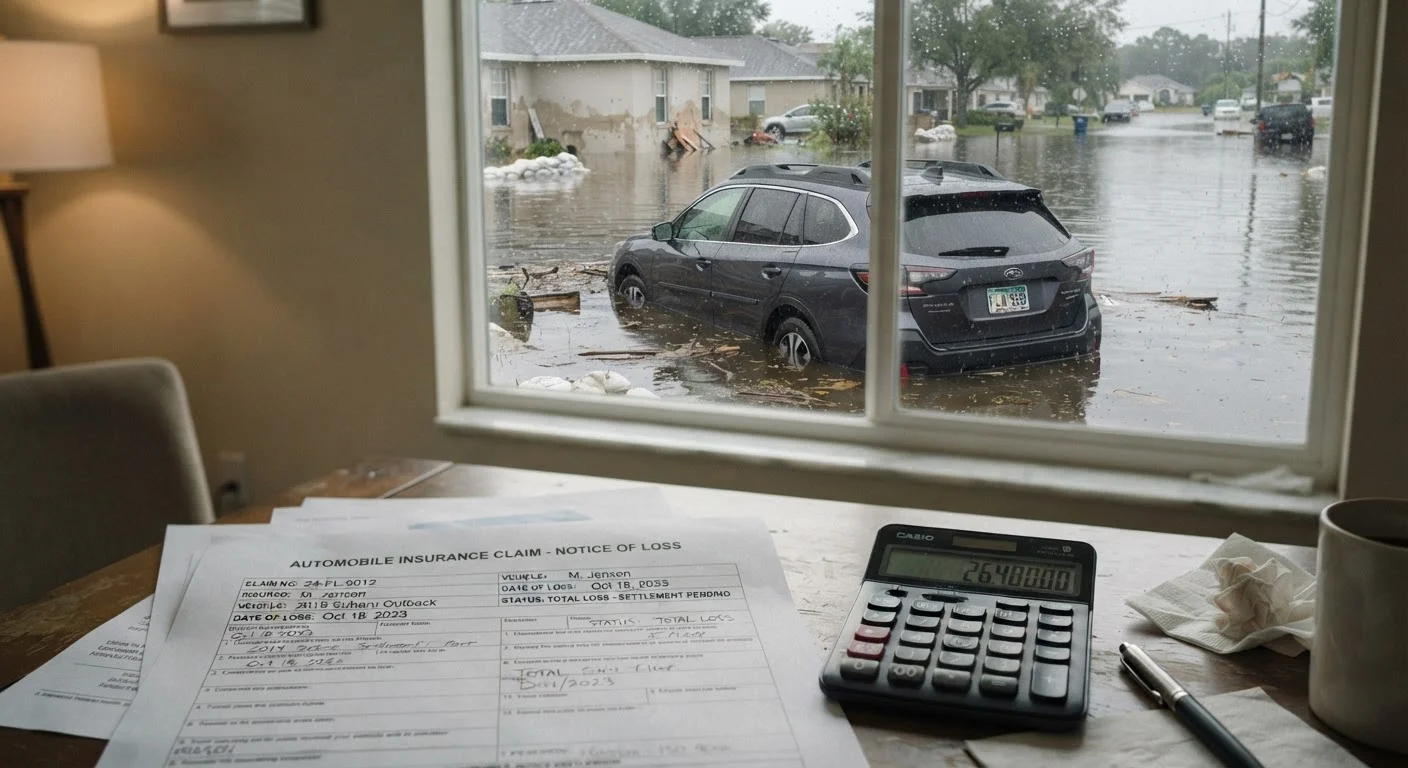
Photo: ReadersChronicle.com | Your Comprehensive Learning Destination editorial
—— In This Article
Key Takeaways
- Gap insurance only pays out when a car is declared a total loss or is stolen - not for partial damage.
- New and nearly new financed or leased vehicles are most likely to have a gap between loan balance and car value.
- If you put down 20% or more on a vehicle purchase, you may not need gap coverage from day one.
- Gap insurance is often available through your auto insurer and may cost less than dealer-offered plans.
- Once your loan balance falls below your car's market value, gap insurance stops providing meaningful protection.
Why a Gap Can Exist in the First Place
A car loses value the moment it leaves the lot - sometimes 15-20% in the first year alone. Meanwhile, auto loan balances decline more slowly because early payments are weighted toward interest. The result: for much of the first few years of a loan, you can owe more than the car is worth.
This becomes a real problem if your vehicle is totaled or stolen. Your collision or comprehensive insurer pays actual cash value - what the car was worth on the open market at that moment - not what you paid for it or what you still owe. That gap can easily run $3,000-$5,000 or more on a typical new-car loan, and you'd owe every dollar of it even without a vehicle to show for it.
Collision and comprehensive coverage handle repairs and total-loss payouts based on market value, not loan balance - which is exactly why gap coverage exists as a separate product.
When Gap Insurance Actually Applies
Gap coverage kicks in under a narrow but significant set of conditions:
- Total loss: Your insurer determines the vehicle cannot be economically repaired - repair cost would exceed the car's value.
- Theft with no recovery: The car is stolen and not found within the window your insurer allows.
- You have an open loan or lease balance: Gap only pays if you owe money on the vehicle. If you own it outright, there's nothing to cover.
If all three apply, gap insurance pays your lender or leasing company directly for the remaining balance, minus the ACV payout from your primary insurer. You won't pocket cash - the money goes to close out the debt.
When Gap Insurance Doesn't Apply
Understanding the exclusions matters just as much as knowing the benefits. Gap coverage will not help you in these situations:
- Partial damage: Fender bender, hail, a cracked windshield - gap doesn't touch these. Only total losses trigger it.
- You're upside down due to rolling in old debt: If you added unpaid balance from a previous loan into your new loan, most gap policies won't cover that rolled-over amount - only the gap related to the current vehicle's purchase price.
- Missed or late payments: Accrued late fees and penalty charges are generally excluded from gap payouts.
- Lease-end situations: If you return a leased car in poor condition, gap doesn't cover excess wear-and-tear fees.
- Your loan balance is already below the car's value: If you've paid down enough principal that you have equity in the vehicle, gap insurance provides no meaningful protection and isn't worth carrying.
For a broader look at what standard policies cover and don't, see our plain-language auto insurance guide.
Who Should Seriously Consider It - and Who Probably Doesn't Need It
Gap insurance makes the most sense when the math creates real exposure:
- You financed with less than 20% down
- You're on a long loan term (60-84 months), meaning principal shrinks slowly
- You're leasing - many lease agreements actually require gap coverage, and some include it automatically
- You bought a vehicle that depreciates quickly
On the other hand, you may not need it if you paid a large down payment, paid cash, or have owned the vehicle long enough that your loan balance is comfortably below market value. Weighing full coverage versus liability-only is a related decision worth thinking through at the same time.
This article is for general informational purposes only and does not constitute insurance, financial, or legal advice. Coverage terms, eligibility, and costs vary by insurer, state, and individual policy. Consult a licensed insurance professional for guidance specific to your situation.
Frequently Asked Questions

Cars Editorial Team
Cars Editorial Team is the collective byline for our editorial team and contributor network. Articles published under this byline or an editorial pen name are researched, written, and reviewed according to our editorial standards for clarity, consistency, and independence before publication.
View author profile