
Filing an Auto Insurance Claim: What the Process Looks Like Start to Finish
From reporting the incident to receiving a settlement, here's a clear walkthrough of how a standard auto insurance claim typically unfolds.
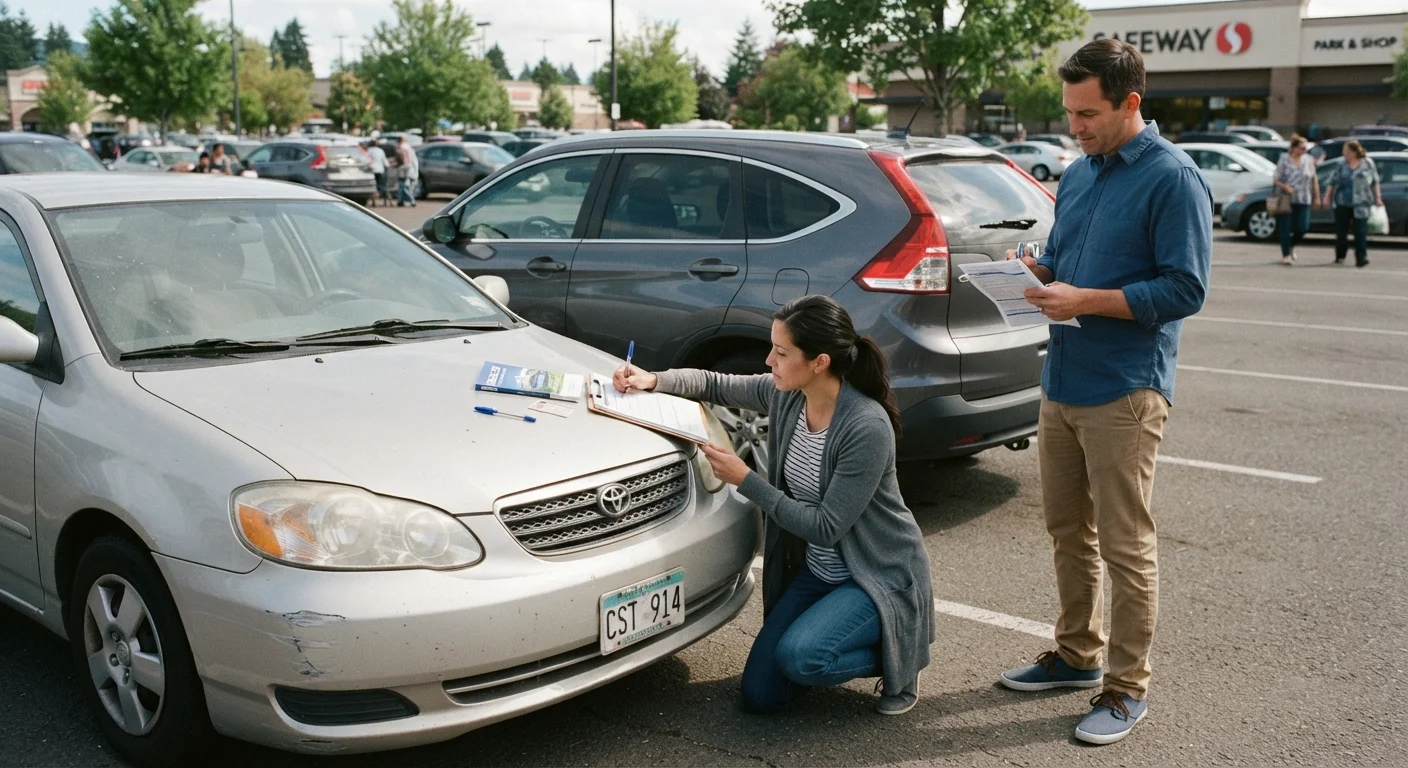
Photo: ReadersChronicle.com | Your Comprehensive Learning Destination editorial
—— In This Article
Key Takeaways
- Report the incident to your insurer promptly - delays can complicate your claim.
- Document the scene thoroughly with photos, notes, and witness information before leaving.
- An adjuster will assess the damage and determine what your policy covers.
- Your deductible is subtracted from any payout before you receive funds.
- You have the right to ask questions and, in most cases, dispute a settlement offer.
What You Should Know Before a Claim Arises
Filing a claim feels less overwhelming when you already understand how your coverage works. Your policy's declarations page summarizes your coverage types, limits, and deductibles in one place - if you haven't read it recently, our guide to reading a declarations page explains what each section means. Knowing whether you carry collision coverage (which pays for damage to your own vehicle regardless of fault) or only liability coverage (which pays for damage you cause to others) determines what kinds of claims you can actually file. For a plain-language breakdown of those distinctions, see our overview of liability, collision, and comprehensive coverage.
One common misconception is that filing any claim automatically causes a dramatic rate increase. The actual impact on your premium depends on your insurer, your claim history, fault determination, and the type of coverage used. Understanding your policy before an incident helps you make an informed decision about whether filing is the right move for a given situation.
What you will need
How to Follow the Claims Process Step by Step
The steps below walk through a standard auto insurance claim from the moment an incident occurs through final settlement. The exact process varies by insurer, coverage type, and state, but the general sequence is consistent across most personal auto policies in the US.
Never Admit Fault at the Scene
Even if you think you may have contributed to an accident, avoid saying so at the scene or to the other party's insurer. Fault is determined through the claims investigation process, and an offhand admission can affect how liability is assigned. Stick to factual descriptions when speaking with anyone other than your own insurer.
Ensure Safety and Call Police if Needed
Before anything else, check whether anyone is injured and move vehicles out of active traffic if it is safe to do so. Call 911 if there are injuries, significant property damage, or if the other driver is uncooperative. A police report creates an official record that your insurer may request, especially for accidents involving another party or a hit-and-run.
Gather Information at the Scene
Collect the following from any other drivers involved: full name, contact number, license plate number, driver's license number, and their insurance company and policy number. Photograph all vehicle damage from multiple angles, the overall scene, road conditions, and any traffic signs or signals nearby. If witnesses are present, note their contact information.
Notify Your Insurance Company
Contact your insurer as soon as reasonably possible - many policies require prompt reporting. You can typically call the claims line, use the insurer's mobile app, or file online. Be prepared to describe what happened, when and where it occurred, and what vehicles or property were involved. You do not need to have every detail finalized before making the initial report.
Work with the Claims Adjuster
Your insurer will assign a claims adjuster - a professional whose job is to investigate the incident and estimate repair costs or other losses. The adjuster may inspect your vehicle in person, use photos you submit, or send an independent appraiser. They will also review applicable coverage limits and your deductible. Ask questions freely; the adjuster should explain what is and is not covered under your specific policy.
Get Your Vehicle Repaired
Your insurer may provide a list of approved repair shops, but in most states you have the right to choose your own licensed shop. If you use a shop outside the insurer's network, confirm in advance whether any coverage differences apply. The shop may work directly with your insurer on payment, or you may pay and be reimbursed - clarify which process applies before authorizing repairs.
Review and Respond to the Settlement Offer
Once the adjuster completes the assessment, the insurer will present a settlement - either a repair authorization or a check if the vehicle is declared a total loss. Review the offer carefully against your policy terms. Your deductible is subtracted from any payout. If you believe the offer is too low, you can provide additional documentation, request a re-inspection, or ask about your insurer's formal dispute or appraisal process. You are not obligated to accept the first offer without question.
Keep a Simple Accident Checklist in Your Glove Box
Print or save a short list of what to collect at a scene: other driver's name, license plate, insurance info, photos of damage, and officer badge number if police respond. Having a prompt in hand reduces the chance you'll forget something important while stressed.
Throughout the process, keep records of every communication with your insurer - dates, names, and summaries of what was discussed. These notes can be valuable if any disputes arise. For a broader look at how auto insurance works and what terms like deductible, subrogation, and underinsured motorist coverage mean, see Auto Insurance Decoded.
This article provides general information about auto insurance claims processes and is not a substitute for reviewing your actual policy or consulting a licensed insurance professional. Coverage, timelines, and procedures vary by insurer, policy, and state.

Cars Editorial Team
Cars Editorial Team is the collective byline for our editorial team and contributor network. Articles published under this byline or an editorial pen name are researched, written, and reviewed according to our editorial standards for clarity, consistency, and independence before publication.
View author profile