
Common Auto Insurance Myths That Cost Drivers Money
Red cars, comprehensive covering everything, older cars needing less—auto insurance is full of misconceptions. Get the facts behind the most common ones.
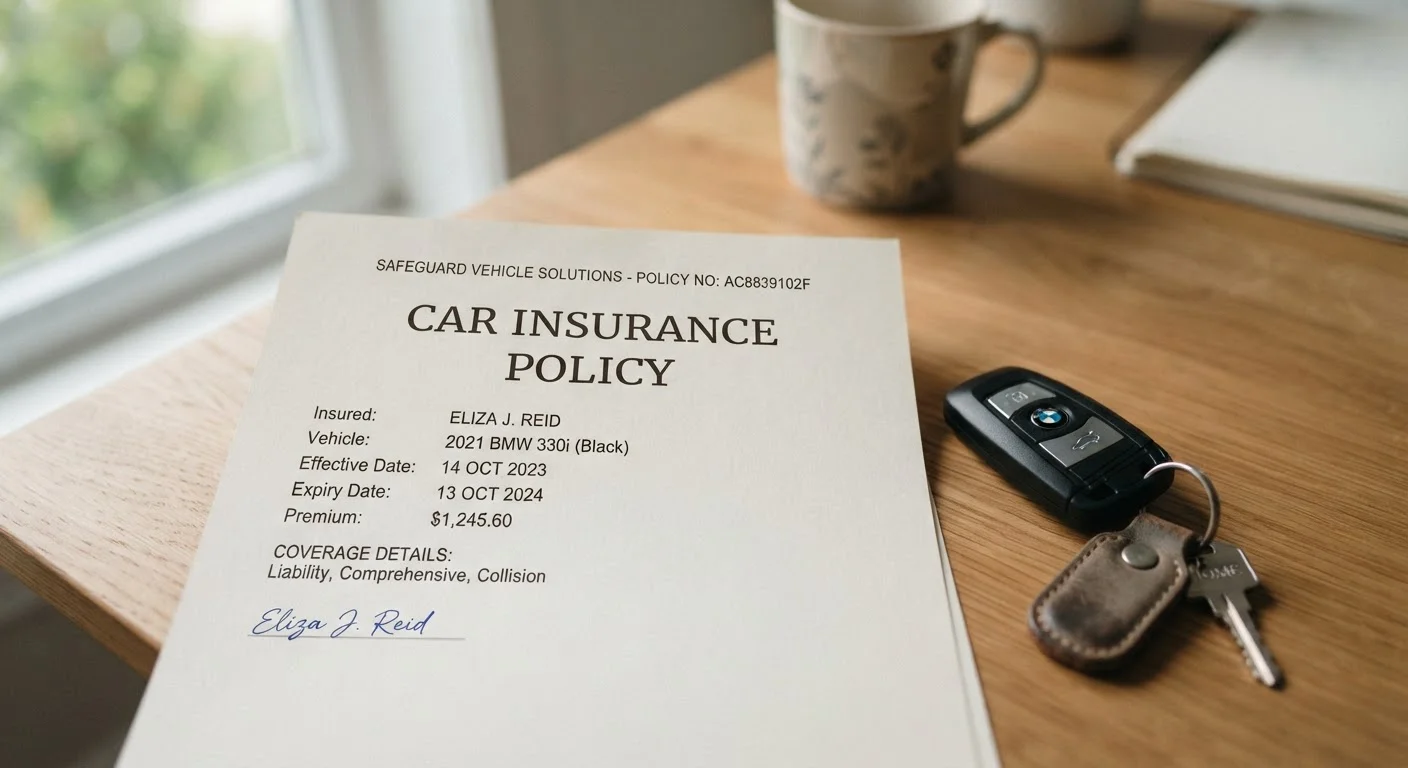
Photo: ReadersChronicle.com | Your Comprehensive Learning Destination editorial
—— In This Article
Key Takeaways
- Car color has no effect on your insurance premium - insurers don't track it.
- Comprehensive coverage is broad but not unlimited; it does not cover every possible loss.
- Older vehicles may still need substantial coverage depending on your financial situation.
- Your credit history can affect your rate in most US states, even without accidents.
- Minimum state liability limits are often far lower than what a serious accident actually costs.
Why Insurance Myths Are Expensive
Auto insurance decisions made on bad information tend to follow a predictable pattern: drivers either overpay for coverage they don't need, or they skimp on protection that turns out to matter a great deal. Either way, a misconception rarely stays free.
The myths below are among the most widespread - and the most financially consequential. Understanding what's actually true can help you make cleaner decisions when reviewing or shopping for a policy. For a plain-language breakdown of core coverage types, see Auto Insurance Decoded.
Myth
Red cars cost more to insure because insurers charge a premium for that color.
Fact
Insurers do not consider vehicle color when calculating premiums. Red cars are rated exactly the same as white or silver ones.
This myth is remarkably persistent, but color simply doesn't appear in any standard insurance rating formula. What insurers do look at includes the vehicle's make, model, trim level, engine size, age, safety ratings, and theft statistics - none of which are color-dependent. A red sports car may cost more to insure than a red sedan, but that's about the vehicle type, not the paint.
Myth
Comprehensive coverage means everything is covered - any loss, any situation.
Fact
Comprehensive is a specific coverage type protecting against non-collision events like theft, fire, hail, and falling objects. It does not cover collision damage or all possible losses.
The name is misleading. Comprehensive coverage (sometimes called "other than collision") protects your vehicle from a defined list of perils - weather events, vandalism, animal strikes, fire, and theft are common examples. It does not pay for damage from hitting another car or object (that's collision coverage), and it doesn't cover mechanical failure, normal wear, or personal belongings inside the vehicle. See what each coverage type actually covers for a side-by-side breakdown.
Myth
If your car is old, you don't need much insurance - just the state minimum.
Fact
The right coverage level depends on your financial situation, not just the car's age. A low-value car and thin savings can still leave you badly exposed.
State minimum requirements typically cover only liability - meaning damage you cause to others. They don't pay to repair or replace your own vehicle. If you can't comfortably absorb the cost of losing your car outright, dropping collision and comprehensive entirely may not be the right move regardless of age. The calculus also involves your deductible and whether a lender requires coverage. Weighing full coverage against liability-only can help you think through this.
Myth
Your credit score has nothing to do with your car insurance rate.
Fact
In most US states, insurers are permitted to use a credit-based insurance score as one factor in setting your premium.
A credit-based insurance score is not identical to your standard credit score, but it draws on similar underlying data. Insurers use it because research has found a statistical relationship between credit history and claim likelihood. A few states - including California, Hawaii, and Massachusetts - prohibit or restrict this practice, but in the majority of states it can be a meaningful factor. Why your premium is what it is walks through the full range of rating factors insurers commonly use.
Myth
Carrying the state minimum liability coverage is enough to protect you financially.
Fact
Minimum limits are often far below what a serious accident can cost. You - not the insurer - are personally responsible for amounts that exceed your limits.
State minimums vary widely but are frequently set at levels like $25,000 per person for bodily injury. A multi-vehicle accident with injuries can easily generate liability exposure many times that amount. If a judgment against you exceeds your policy limits, your personal assets - savings, wages, property - may be at risk. Higher liability limits cost less than most drivers expect relative to the added protection they provide.
[important_callout]Myth
Filing any claim will immediately and permanently raise your premium.
Fact
Rate impacts from claims vary by insurer, claim type, fault determination, and your history. Not every claim results in a lasting surcharge.
Whether and how much your rate changes after a claim depends on several variables: who was at fault, your prior claims record, the claim type (a comprehensive weather claim is treated differently from an at-fault collision), and your insurer's specific rules. Some policies include accident forgiveness provisions. That said, frequent claims - especially at-fault ones - do typically affect your premium over time. If you're unsure whether to file, it's worth understanding the process first: how a claim typically unfolds gives a clear walkthrough.
What These Myths Mean for Your Coverage Decisions
Taken together, these misconceptions push drivers toward two opposite mistakes: paying for coverage they don't understand, or skipping coverage based on flawed logic.
~38%
Drivers who carry only state minimum liability
Industry estimates suggest a significant share of US drivers carry only the minimum required liability coverage, leaving substantial personal financial exposure in serious accidents.
45 states
States that permit credit-based insurance scoring
According to the National Conference of State Legislatures, the majority of US states allow insurers to use credit-based scores as a rating factor.
If you're weighing how much coverage you actually need, the decision usually comes down to your vehicle's value, your savings cushion, and your risk tolerance. Full coverage vs. liability-only explores that trade-off in detail. And if you're trying to lower your premium without gutting your protection, balancing premium cost against coverage offers a practical framework.
Don't Drop Coverage Based on Assumptions
Deciding to reduce or remove coverage based on a myth - rather than a clear-eyed look at your vehicle's value and your financial cushion - can leave you paying out of pocket after a loss. Before making changes, compare what you'd save on premium against what you'd owe if a covered event actually occurred. Comparing quotes accurately can also help you ensure you're evaluating policies on equal footing.
One other thing worth knowing: rate increases don't always follow an accident. Credit changes, a move to a different ZIP code, or even a lapse in coverage can nudge your premium upward. Things that can quietly raise your rate covers the less obvious culprits.
This article provides general information about auto insurance concepts and is not personalized insurance, financial, or legal advice. Coverage terms, exclusions, and premiums vary by insurer and state. Always read your policy documents carefully and consult a licensed insurance professional for guidance specific to your situation.

Cars Editorial Team
Cars Editorial Team is the collective byline for our editorial team and contributor network. Articles published under this byline or an editorial pen name are researched, written, and reviewed according to our editorial standards for clarity, consistency, and independence before publication.
View author profile