
Things That Can Quietly Raise Your Auto Insurance Rate Over Time
Rate increases don't always follow an accident. Credit changes, moving, and even lapsed coverage can push your premium up without warning.
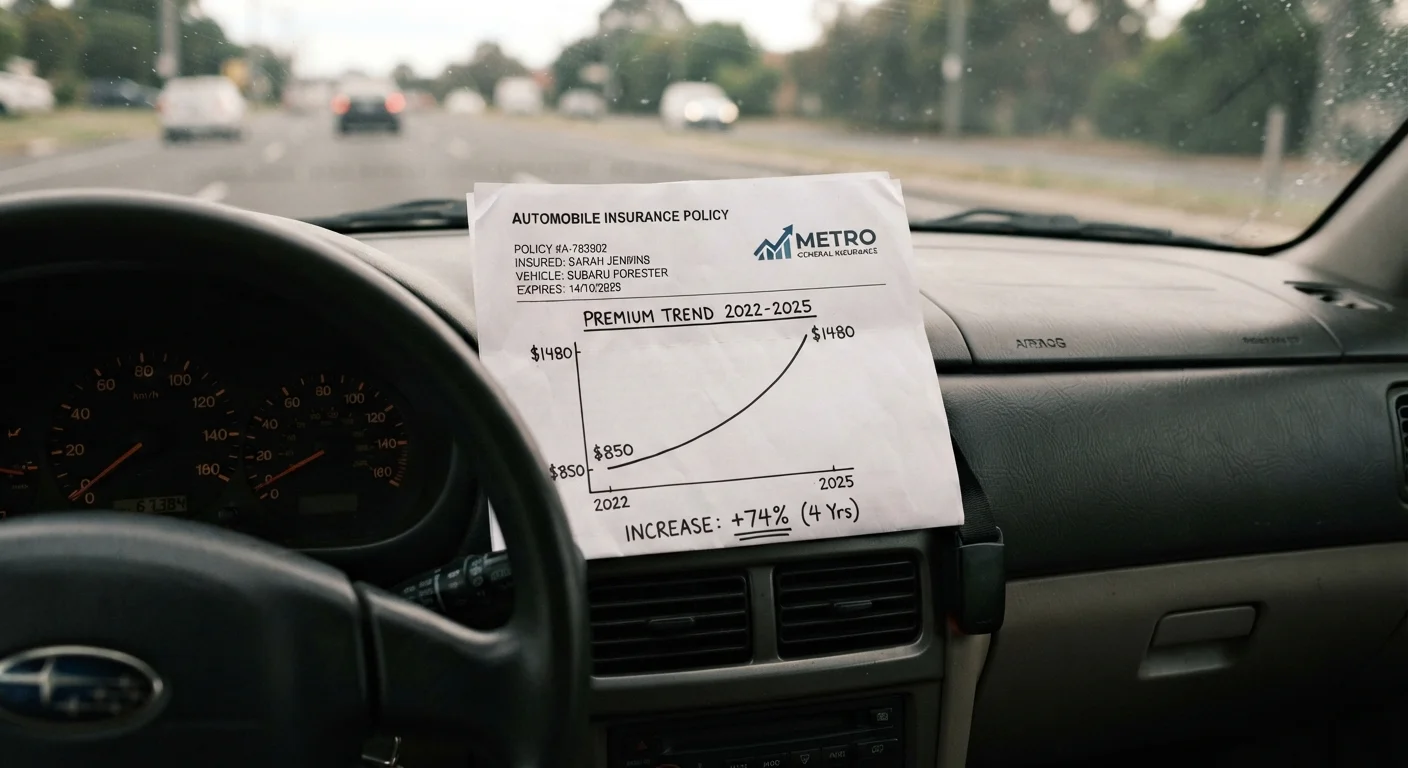
Photo: ReadersChronicle.com | Your Comprehensive Learning Destination editorial
—— In This Article
Key Takeaways
- A drop in your credit score can trigger a rate increase even if your driving record is clean.
- Moving to a new ZIP code - even nearby - can significantly change what you pay.
- Letting your policy lapse, even briefly, signals higher risk to insurers and raises future premiums.
- Adding a teen driver or removing a discount you no longer qualify for can quietly push rates up.
- Reviewing your policy at each renewal helps you catch unexpected changes before they compound.
Why Rates Rise When Nothing Seems to Have Changed
Most drivers assume their auto insurance rate only goes up after a crash or a speeding ticket. That assumption can be costly. Insurers constantly reassess risk using a wide range of factors - many of which shift in the background of everyday life without any obvious trigger. By the time you notice a higher premium, the cause may have happened months earlier.
Understanding what quietly nudges your rate upward puts you in a better position to anticipate changes and respond to them. For a broader look at the full range of pricing factors, see why your auto insurance premium is what it is.
Letting your credit score slip without realizing it affects your premium.
Why it happens: Most drivers think of credit as a borrowing issue, not an insurance issue. But in most U.S. states, insurers use a credit-based insurance score as a pricing factor, and they can reassess it at renewal.
Moving to a new address without understanding how location affects your rate.
Why it happens: Drivers focus on logistics when moving and rarely think about insurance implications. Even relocating a few miles can place you in a ZIP code with higher accident frequency, vehicle theft rates, or weather risk.
Allowing a coverage lapse, even for a short period between policies.
Why it happens: Drivers sometimes cancel a policy before securing a new one, or miss a payment during a busy stretch. Even a brief gap signals to future insurers that you're a higher risk.
Adding a household driver - especially a teen - without budgeting for the rate impact.
Why it happens: Parents often add a newly licensed teenager to their policy without realizing how substantially it can increase the premium. Young, inexperienced drivers are statistically higher risk, and insurers price accordingly.
Losing a discount you no longer qualify for without noticing.
Why it happens: Discounts like multi-policy bundling or low-mileage reductions depend on conditions that can change. If you cancel a bundled home policy or start driving more, the discount may quietly disappear at renewal.
Ignoring broad rate adjustments that affect all policyholders in your area.
Why it happens: Insurers periodically file rate changes with state regulators that apply across entire regions, driven by trends in repair costs, weather claims, or litigation. These increases have nothing to do with your individual behavior.
What You Can Do When Your Rate Climbs
Once you've identified a likely cause for a rate increase, you have more options than simply accepting it. Start by contacting your insurer to ask what specifically changed on your policy and whether any available discounts could offset the increase. Many drivers aren't aware of reductions they already qualify for - a reference guide to common auto insurance discounts can help you identify ones worth asking about.
Shopping around is also reasonable, but be careful about reading quotes at face value. Coverage limits, deductibles, and exclusions vary - a lower number on a quote doesn't automatically mean a better deal. The article comparing auto insurance quotes without misreading them walks through how to evaluate policies on equal footing.
Don't Confuse a Lower Quote With Better Coverage
When shopping after a rate increase, it's tempting to jump at the lowest number. But a cheaper quote may carry higher deductibles, lower liability limits, or exclude coverage your current policy includes. Always compare identical coverage tiers before switching, and verify there's no gap between your old policy ending and the new one beginning.
Finally, treat your annual renewal as a structured review, not just a bill to pay. Life changes - a move, a new vehicle, a teen getting a license - all affect what coverage you need and what you're paying for. Use that moment to check for gaps and missed savings. Our annual auto insurance checkup guide gives you a practical checklist to work through.
This article is for general informational purposes only and does not constitute personalized insurance or financial advice. Coverage terms, pricing factors, and regulations vary by insurer and state. Consult a licensed insurance professional for guidance specific to your situation.

Cars Editorial Team
Cars Editorial Team is the collective byline for our editorial team and contributor network. Articles published under this byline or an editorial pen name are researched, written, and reviewed according to our editorial standards for clarity, consistency, and independence before publication.
View author profile