
Mexico's Lesser-Known Cities for Travelers Watching Their Spending
Beyond Cancún and Mexico City — a look at Mexican destinations with lower tourist prices, genuine local culture, and practical travel logistics.
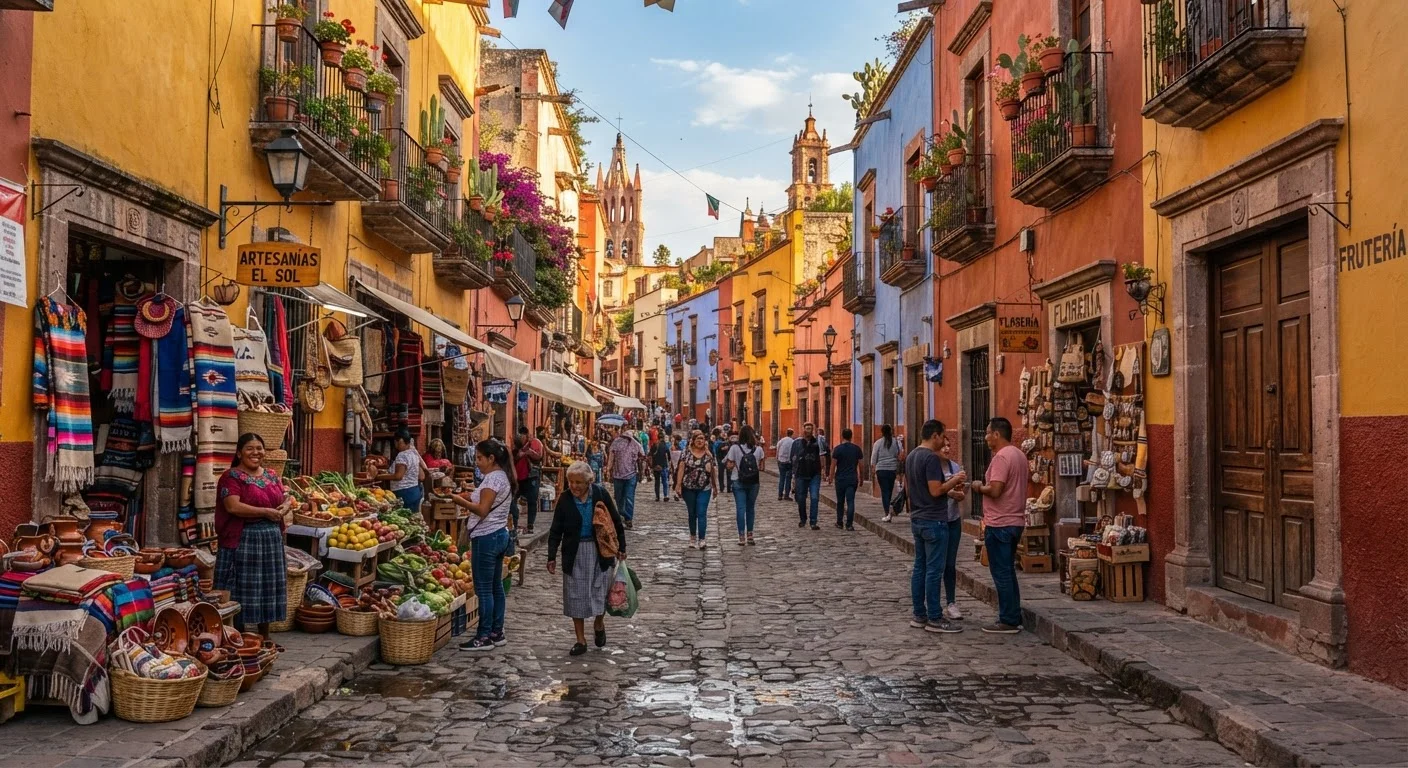
Photo: ReadersChronicle.com | Your Comprehensive Learning Destination editorial
—— In This Article
Key Takeaways
- Several mid-size Mexican cities cost significantly less per day than Cancún or Los Cabos for most traveler budgets.
- Lower tourist volume often means more authentic local experiences and less price inflation at restaurants and markets.
- Flight connections, visa requirements, and safety conditions vary by city - always verify current information before booking.
- Daily costs in these cities can run $40-$70 USD for budget-conscious travelers, though individual results vary.
- Spending habits still matter: tourist-facing businesses in any city can erode savings quickly.
Why Go Beyond the Resorts
Cancún and Mexico City dominate most travel conversations, and for good reason - they're well-connected, well-documented, and easy to plan around. But Mexico is a large, geographically varied country with dozens of mid-size cities where tourism infrastructure exists without the price premiums that follow heavy foot traffic.
For budget-conscious US travelers, the difference isn't trivial. In heavily touristed zones, restaurant meals, accommodation, and even taxis often carry a visible markup for foreign visitors. Smaller cities tend to have a more uniform local pricing structure because the majority of customers are Mexican residents, not tourists passing through on package deals.
That said, a low-cost destination isn't automatically a low-cost trip. As we examine in our look at budget destination myths, flights, currency exchange habits, and where you choose to eat can undercut destination-level savings fast. Keep that in mind as you evaluate the cities below.
Oaxaca City
Oaxaca City is probably the best-known entry on this list, but it remains substantially less expensive than Mexico's major resort corridors. The city's economy is built around regional commerce and domestic tourism, which keeps food prices grounded. A meal at a comedor (small local eatery) typically runs the equivalent of $3-$6 USD, and the city's central market is one of the most affordable places in Mexico to eat and buy fresh food.
Accommodation ranges from budget hostels to mid-range guesthouses in the historic center, generally priced lower than comparable options in Mexico City. Oaxaca is also a reasonable base for day trips to archaeological sites and surrounding villages, which reduces the need for expensive overnight travel.
The nearest major airport has direct flights from several US cities, though availability and pricing fluctuate - compare options carefully before assuming it's the cheapest routing.
Oaxaca's local eateries and markets keep daily food costs well below resort destination averages.
Mérida
Mérida, the capital of Yucatán state, attracts fewer international visitors than nearby Cancún or Tulum but has solid infrastructure, a walkable historic center, and a well-established local food scene. It's one of Mexico's larger cities by population, which means competition among restaurants and hotels keeps prices in check.
The city is notably hot for much of the year, which depresses high-season pricing compared to coastal alternatives. Traveling in the shoulder season (late fall to early winter, outside of holiday weeks) can stretch a budget further. Mérida also serves as a practical hub for visiting Chichén Itzá and other Yucatán Peninsula sites without paying beach-resort accommodation rates.
Direct flights from US cities operate regularly, and the city's public transit is functional for reaching most areas of interest.
Mérida's large local population keeps restaurant and hotel pricing competitive compared to nearby beach resorts.
San Cristóbal de las Casas
Located in Chiapas at roughly 7,000 feet elevation, San Cristóbal de las Casas has a cooler climate than most of southern Mexico and a well-developed backpacker economy that keeps accommodation and meal costs low. The city has a strong indigenous cultural presence that shapes its markets, crafts, and food - and the main market area offers some of the most affordable street food in the country.
Getting there requires more planning than the other cities on this list. Most travelers fly into Tuxtla Gutiérrez and take a bus or shuttle to San Cristóbal, adding time and a modest extra cost. It's worth factoring that into overall trip budgeting. The payoff is a city where daily costs can remain low even relative to Mexican standards, and where the tourism economy hasn't fully absorbed the local pricing structure.
San Cristóbal's backpacker-oriented economy makes it one of Mexico's most affordable cities for daily spending.
Guanajuato City
Guanajuato is a colonial mining city built into a narrow valley, famous for its colorful hillside buildings and an unusual network of underground roadways. It attracts a significant number of Mexican domestic tourists and university students, which supports a lively but relatively affordable food and café scene.
Accommodation in the city center varies, but mid-range and budget options are available within walking distance of most attractions. The city's main festival period (Festival Internacional Cervantino, typically in October) brings higher prices and heavier crowds - if that's outside your travel window, you'll find a quieter and less expensive experience. Flights typically route through Mexico City or Guadalajara from US airports, so routing costs should be compared carefully.
Outside festival season, Guanajuato offers colonial-city character without the price spikes of peak tourism periods.
Morelia
Morelia, the capital of Michoacán state, is a UNESCO World Heritage city with a well-preserved colonial center and a strong culinary identity. It doesn't appear on most US traveler itineraries, which means accommodation pricing hasn't inflated to match tourist-facing markets elsewhere. The city has a functioning regional airport with some US connections, though routing through Mexico City is often necessary.
Michoacán does have certain regions with elevated security concerns; travelers should consult current US State Department advisories specific to the areas they plan to visit and stay within well-traveled, urban parts of the state. Morelia's city center itself has long been considered the safer and more tourist-accessible part of the state, but independent verification of current conditions is essential before traveling.
For travelers who do visit, daily costs for food, transportation within the city, and mid-range accommodation are noticeably lower than in the most-visited Mexican destinations. The city's large student population helps keep everyday prices reasonable year-round.
Morelia's off-the-radar status among US tourists means accommodation hasn't yet been priced for foreign visitors.
Planning Your Visit Realistically
Each of these cities has genuine value for travelers watching their spending, but none of them is entirely without trade-offs. Some require a domestic connecting flight from a US hub, which adds cost and time. Others have distinct high and low seasons that affect both pricing and experience. Safety conditions, local infrastructure, and English-language availability also vary.
Use Pesos, Not Tourist Pricing
In any Mexican city, paying in local pesos and using ATMs affiliated with major banks typically yields a better exchange rate than hotel currency exchanges or airport kiosks. Carrying smaller peso amounts for markets and street food also avoids the common situation of vendors lacking change for large bills, which can create pressure to overpay. For more on avoiding common spending mistakes abroad, see our article on where US travelers overpay without realizing it.
Before committing to any destination in Mexico, check current travel advisories from the US Department of State (travel.state.gov) and verify entry requirements directly with official Mexican government sources. Conditions can change, and this article should not be treated as a substitute for current official guidance.
Once you've narrowed your choice, your daily habits will still drive outcomes. Everyday spending traps abroad - tourist-area restaurants, poor currency exchange rates, convenience purchases - apply just as much in Oaxaca as in Cancún. For broader strategies that hold up regardless of destination, see our overview of durable budget travel approaches.

Travel Editorial Team
Travel Editorial Team is the collective byline for our editorial team and contributor network. Articles published under this byline or an editorial pen name are researched, written, and reviewed according to our editorial standards for clarity, consistency, and independence before publication.
View author profile