
Eastern Europe on a Limited Budget: A Destination Overview
Countries like Poland, Romania, and Bulgaria offer strong value for US travelers. Here's an honest look at costs, logistics, and what to plan for.
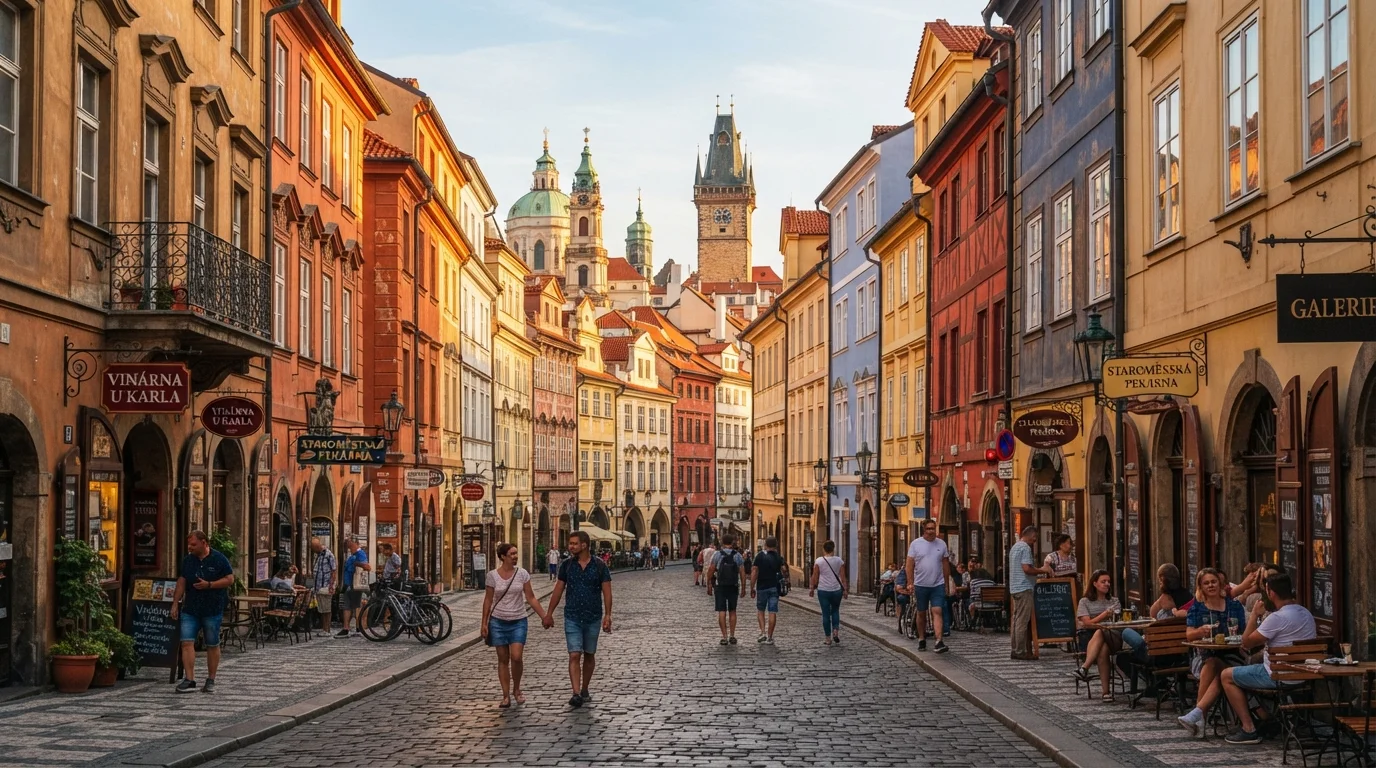
Photo: ReadersChronicle.com | Your Comprehensive Learning Destination editorial
—— In This Article
Why Eastern Europe Works for Budget-Conscious US Travelers
Eastern Europe remains one of the most underrated value destinations for Americans willing to travel beyond the obvious. Countries like Poland, Romania, Bulgaria, and the Czech Republic offer rich history, varied landscapes, and functional infrastructure - at daily costs that can run significantly lower than Western European counterparts.
The value advantage comes from a combination of lower local wages, favorable exchange rates for USD holders, and strong competition in the accommodation and food sectors. That said, costs vary considerably by country and city. Warsaw and Prague, for instance, have moved closer to mid-range European pricing, while smaller cities and rural areas within the same countries often remain genuinely inexpensive.
If you're weighing regional options, this comparison of Southeast Asia and Central America provides useful context for how Eastern Europe fits into the global budget travel picture.
Country-by-Country Cost Overview
Costs vary meaningfully across the region. Here's a general breakdown to use as a planning baseline - not a guarantee, since prices shift with season, city size, and travel style.
- Poland: Mid-tier for the region. Budget travelers can manage on $50-$70/day in smaller cities; Kraków and Warsaw run higher. Excellent public transit reduces transport costs.
- Romania: One of the lower-cost options. Daily budgets of $40-$60 are realistic outside Bucharest. Transylvania and the Carpathian region offer strong value for outdoor-focused itineraries.
- Bulgaria: Among the most affordable EU member states. Sofia and Plovdiv offer hostels, local food markets, and public transit at prices that stretch a dollar further than most of the continent.
- Czech Republic: Prague is expensive relative to the region; however, Moravia and smaller towns offer substantially lower costs. Beer is famously cheap; dining outside tourist zones is reasonable.
- Hungary: Budapest has gentrified considerably but remains competitive. Thermal baths, museums, and market halls offer cultural depth at modest entry prices.
For practical guidance on managing daily costs abroad, see Planning Your First International Budget Trip from the US.
~$45
Average daily budget in Bulgaria (mid-range)
General travel estimates based on hostel/guesthouse accommodation and local dining outside major tourist zones.
90 days
Visa-free stay for US passport holders (Schengen)
Applies within any 180-day rolling period; verify current rules with official government sources before travel.
30-50%
Estimated cost reduction vs. Western Europe
Based on general comparisons of accommodation, meals, and transit costs in comparable city tiers; individual results vary.
Logistics, Entry, and Practical Considerations
Most Eastern European countries are part of the Schengen Area, meaning US passport holders can visit for up to 90 days within any 180-day period without a visa. Always verify current entry requirements with the U.S. Department of State and the destination country's official immigration authority before traveling - rules can and do change.
Direct flights from the US to Eastern Europe are limited. Most routes connect through major Western European hubs (Frankfurt, Amsterdam, Vienna), which adds time but can be cost-effective if booked with flexibility. Overland rail travel within the region is reliable and inexpensive, particularly between Poland, Czech Republic, and Hungary.
Entry Requirements Can Change
Schengen rules and visa policies are subject to revision. Some Eastern European countries - including Bulgaria and Romania - have joined the Schengen Area recently, altering border procedures. Always check the U.S. Department of State travel website and the destination country's official embassy or consulate for the most current requirements before booking.
Currency varies by country. Poland uses the złoty, Romania the leu, Bulgaria the lev, and Hungary the forint - the Czech Republic uses the koruna. Only Slovenia, Slovakia, and the Baltic states use the euro among commonly visited destinations. Using local ATMs with a fee-free debit card typically yields better exchange rates than airport kiosks.
For broader strategies on keeping costs manageable throughout a trip, Stretching Your Travel Budget Without Sacrificing the Experience covers approaches that apply across destinations.

Travel Editorial Team
Travel Editorial Team is the collective byline for our editorial team and contributor network. Articles published under this byline or an editorial pen name are researched, written, and reviewed according to our editorial standards for clarity, consistency, and independence before publication.
View author profile