
What Landlords Can Legally Ask on a Rental Application
Not every question on a rental application is legal. Learn what landlords are permitted to ask and where the line gets drawn.
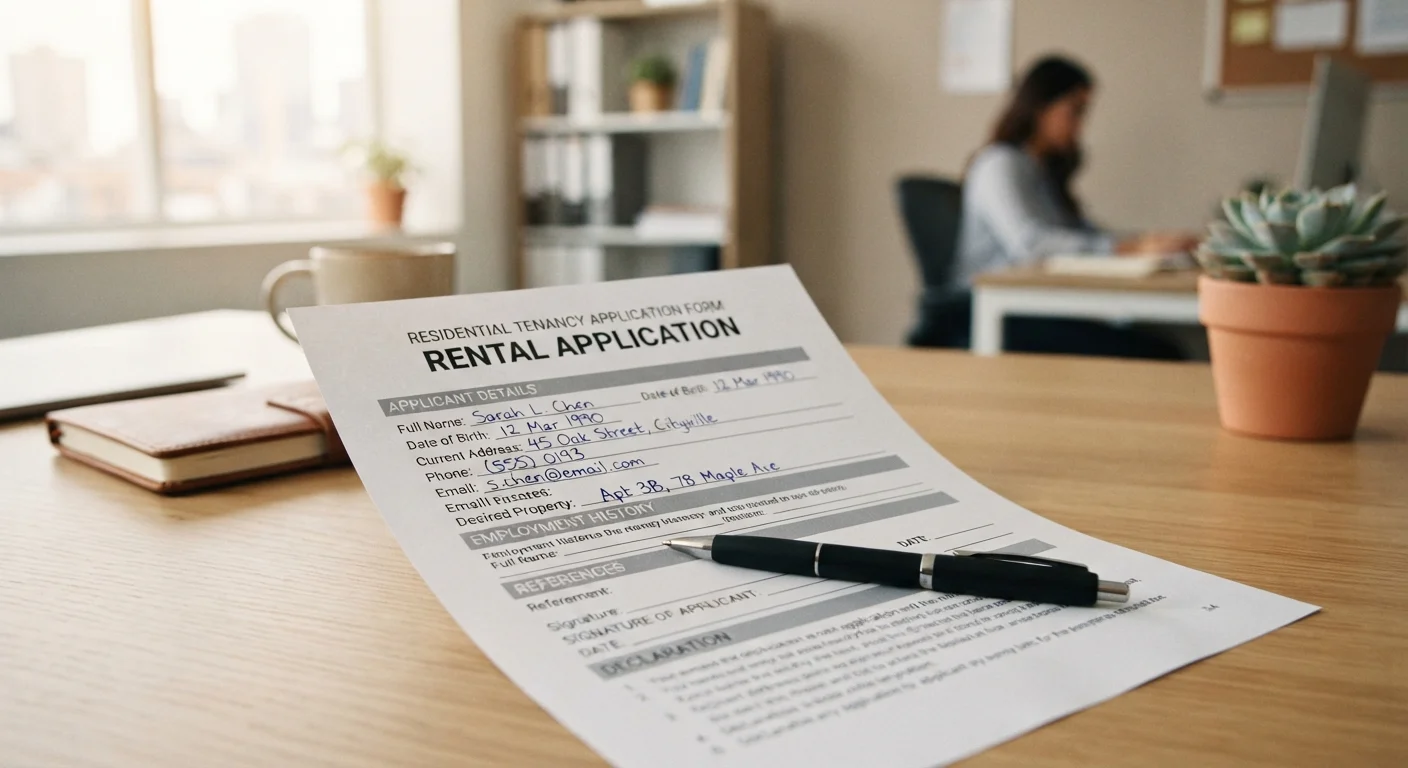
Photo: ReadersChronicle.com | Your Comprehensive Learning Destination editorial
—— In This Article
Key Takeaways
- Landlords may legally ask about income, rental history, and credit - but not about protected characteristics.
- The Fair Housing Act prohibits questions about race, religion, national origin, sex, disability, familial status, and color.
- Many states add protected classes beyond the federal minimum, such as source of income or sexual orientation.
- A question that seems neutral can still be illegal if it's used to screen out a protected class.
- Applicants who believe they faced discriminatory screening can file a complaint with HUD.
What Landlords Are Legally Allowed to Ask
Before handing over the keys, landlords have a legitimate interest in confirming that a prospective tenant can pay rent reliably and will care for the property. Federal law permits - and courts have consistently upheld - several categories of questions on rental applications.
- Income and employment: Landlords may ask for your current employer, job title, length of employment, and monthly or annual income. They can request supporting documents such as pay stubs or tax returns.
- Rental history: Questions about previous landlords, addresses, reasons for leaving, and whether you've ever been evicted are standard and legal.
- Credit authorization: Landlords may ask you to consent to a credit check and review your credit report through a recognized consumer reporting agency.
- References: Personal and professional references are permissible.
- Number of occupants: Landlords may ask how many people will live in the unit to apply occupancy standards, provided those standards are reasonable and uniformly applied.
- Pets: Inquiring about pets - and setting pet policies - is legal, though assistance animals are a separate matter governed by disability accommodation law.
These questions focus on financial responsibility and tenancy behavior - not on who you are as a person.
7
Federally protected classes under the Fair Housing Act
The Fair Housing Act identifies race, color, national origin, religion, sex, familial status, and disability as protected characteristics that landlords may not use to screen applicants.
~28,000
Fair housing complaints filed with HUD annually
HUD's annual Fair Housing Trends Report consistently documents tens of thousands of fair housing complaints each year, with rental housing being the most common source.
Questions That Cross the Legal Line
The Fair Housing Act prohibits landlords from asking questions - or using application processes - that discriminate based on seven federally protected characteristics:
- Race or color
- National origin
- Religion
- Sex
- Disability
- Familial status (including pregnancy or having children under 18)
- Color (distinct from race in some interpretations)
This means a landlord cannot ask: "Where are you originally from?" or "Do you have children?" or "What religion do you practice?" Even indirect questions designed to elicit protected information are prohibited.
Beyond federal law, most states extend protections to additional groups. Common state-level additions include sexual orientation, gender identity, source of income (such as housing vouchers), age, and marital status. Always check the fair housing laws specific to your state or municipality.
State Laws Often Go Further
Federal fair housing law sets a national floor, but your state or city may protect additional groups. For example, California, New York, and Washington D.C. all ban discrimination based on source of income, meaning landlords in those jurisdictions generally cannot reject applicants solely because they use housing vouchers. Always look up your state's specific fair housing statute to understand the full scope of your protections.
For a broader look at your rights as a renter, see our overview of renters' rights every tenant should know.
The Gray Areas: What to Watch For
Some questions aren't obviously illegal but can become problematic depending on how they're used. A few areas to be aware of:
Disability-Related Questions
Landlords cannot ask whether you have a disability. However, if you request a reasonable accommodation (such as a reserved accessible parking space), the landlord may ask for documentation that the accommodation is related to a disability. This is a narrow and specific exception - not an invitation to probe your medical history.
Criminal History
While landlords in most states can consider criminal records, HUD guidance discourages blanket exclusions because they can create disparate impact on protected groups. A growing number of localities have passed "fair chance" or "ban the box" housing laws restricting when criminal history can be reviewed in the application process.
Social Media Screening
Some landlords search applicants' social media profiles. There is currently no federal law that explicitly bans this, but using information found online to discriminate based on protected characteristics is still illegal under the Fair Housing Act.
Keep a Copy of Every Application You Submit
Before submitting a rental application, photograph or scan every page - including any supplemental questions the landlord has added. If you later believe you were screened out based on a protected characteristic, having a record of exactly what was asked can support your complaint. Also save any emails or texts from the landlord related to your application.
Once you know what a landlord can legally ask, the next step is understanding what you're agreeing to. Our guide to your first apartment lease, decoded walks through what every clause actually means.
What You Can Do If Something Seems Wrong
If a rental application includes questions that seem discriminatory, you have options - and you don't need a lawyer to take first steps.
- Ask why the question is being asked. A landlord should be able to explain the business reason behind any screening question.
- Contact a local fair housing organization. Many offer free intake consultations and can quickly advise whether a question or practice raises legal concerns.
- File a complaint with HUD. The U.S. Department of Housing and Urban Development accepts fair housing complaints at no cost, and the process can be done online. Federal complaints must generally be filed within one year of the incident.
- Contact your state civil rights agency. Many states have their own enforcement agencies with shorter complaint windows, so act promptly.
Documenting the application - keeping a copy of what you submitted and any written communications - can be valuable if you need to demonstrate what happened later.
“Fair housing law exists not just to punish discrimination after the fact, but to create a rental market where applicants are evaluated on their ability to pay and their tenancy history - nothing more.”
— Anna Maria Farías, Former Assistant Secretary for Fair Housing and Equal Opportunity, U.S. Department of Housing and Urban Development
For related context on landlord authority and its limits, see why "the landlord can do that" is often wrong.
This article is for general informational and educational purposes only and does not constitute legal advice. Rental application laws vary by state and locality. Consult a licensed attorney or local fair housing organization for guidance specific to your situation.
Frequently Asked Questions

Real Estate Basics Editorial Team
Real Estate Basics Editorial Team is the collective byline for our editorial team and contributor network. Articles published under this byline or an editorial pen name are researched, written, and reviewed according to our editorial standards for clarity, consistency, and independence before publication.
View author profile