
What Does It Mean for a Property to Be 'In Escrow'?
Listings marked 'in escrow' aren't quite sold yet — but they're not available either. Find out what stage of the sale this label actually describes.
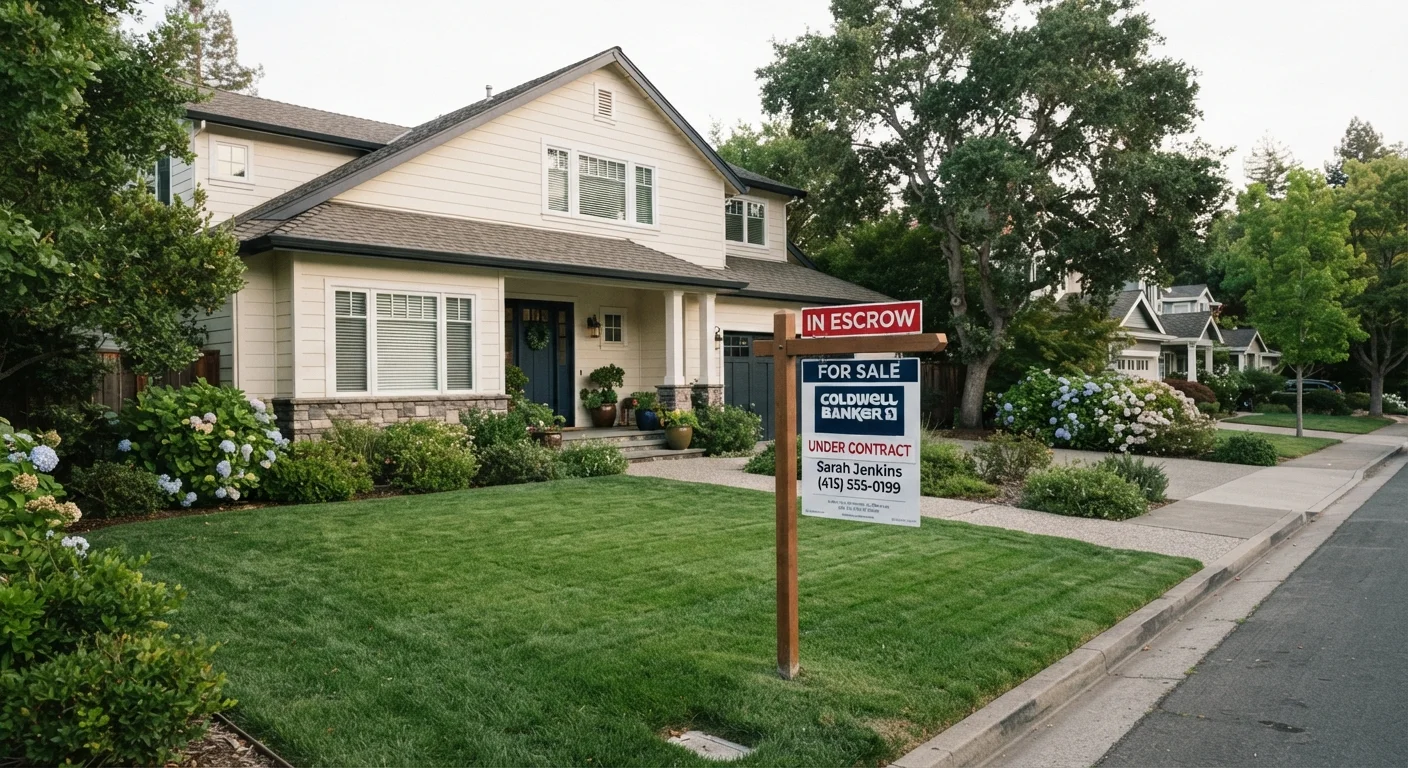
Photo: ReadersChronicle.com | Your Comprehensive Learning Destination editorial
—— In This Article
Key Takeaways
- 'In escrow' means a purchase contract is signed, but the sale is not yet complete.
- The property is generally unavailable to other buyers during the escrow period.
- A neutral third party holds funds and documents until all conditions are satisfied.
- The sale can still fall through during escrow if contingencies are not met.
- Buyers in escrow are typically completing inspections, appraisals, and loan approval.
What 'In Escrow' Actually Means for a Listing
If you have been browsing home listings and noticed the label "In Escrow," you may have wondered whether the home is sold, unavailable, or somewhere in between. The short answer: it is somewhere in between.
When a property enters escrow, the buyer and seller have signed a purchase agreement and agreed on a price and terms. But a real estate sale is not complete the moment signatures are exchanged. There are still several steps - inspections, appraisals, loan approvals, and title checks - that must be completed before money changes hands and ownership is legally transferred.
Until all of that is done, the transaction is managed by a neutral third party: an escrow company or escrow officer. This entity holds the buyer's deposit, collects required documents, and ensures that every condition spelled out in the purchase contract is fulfilled before releasing funds and recording the deed. Think of escrow as a structured holding period designed to protect both the buyer and the seller.
For more definitions like this one, see our plain-language glossary of real estate terms.
What Happens During the Escrow Period
The escrow period is when both parties fulfill their obligations under the contract. For the buyer, this typically means:
- Completing a home inspection and reviewing results
- Having the property appraised by a lender-approved appraiser
- Finalizing mortgage approval and submitting required financial documents
- Reviewing title reports to confirm there are no liens or ownership disputes
- Obtaining homeowners insurance
The seller, meanwhile, is generally expected to make agreed-upon repairs, provide required disclosures, and keep the property in the condition reflected in the purchase agreement.
A number of these steps involve contingencies - contract clauses that give the buyer the right to exit the deal without penalty if certain conditions are not met. Common contingencies include financing, inspection, and appraisal. If any of these contingencies are triggered, the sale may fall through and the home returns to the market.
Ask About Backup Offers on Escrow Listings
If a home you love is in escrow, do not automatically move on. Ask the listing agent whether the seller is accepting backup offers. If the current deal falls through, a backup offer puts you first in line - potentially saving you weeks of searching.
For a deeper look at how money and documents actually move through this process, see how escrow works in a home purchase.
What 'In Escrow' Means for Buyers and Sellers
If you are a buyer shopping for a home and you see a listing labeled "in escrow," treat it as unavailable unless you learn otherwise. Some sellers accept backup offers in case the current transaction falls through - it is appropriate to ask the listing agent whether this is an option.
If you are a seller whose property is in escrow, the process is not yet finished. Deals do fall apart: a buyer's loan may be denied, an inspection may surface problems, or an appraisal may come in below the agreed price. Understanding the contingencies in your contract helps you know what protections and obligations you have if that happens.
Terminology Varies by State
The terms 'in escrow,' 'under contract,' and 'pending' are often used interchangeably, but their exact meanings can differ by state and even by listing platform. In some states - particularly in the Western US - 'escrow' is the standard term for this period. In others, 'under contract' or 'pending' is more common. Always confirm the status directly with your real estate agent.
If you are encountering these terms for the first time in a contract or loan document, our guide on the real estate vocabulary you need before you sign anything can help you work through key terms before committing.
30-60 days
Typical US residential escrow period
According to industry practice tracked by real estate professionals, most standard purchase escrows in the US fall within this range, depending on financing type and contract terms.
~5%
Transactions that fall out of escrow
National Association of Realtors data has historically shown that a small but meaningful share of contracts under agreement do not reach closing, often due to financing or inspection issues.
Frequently Asked Questions

Real Estate Basics Editorial Team
Real Estate Basics Editorial Team is the collective byline for our editorial team and contributor network. Articles published under this byline or an editorial pen name are researched, written, and reviewed according to our editorial standards for clarity, consistency, and independence before publication.
View author profile