
Title, Deed, and Ownership: Understanding the Documents That Make a Home Yours
Title and deed are often used interchangeably, but they're not the same thing. This guide clarifies what each document does and why both matter.
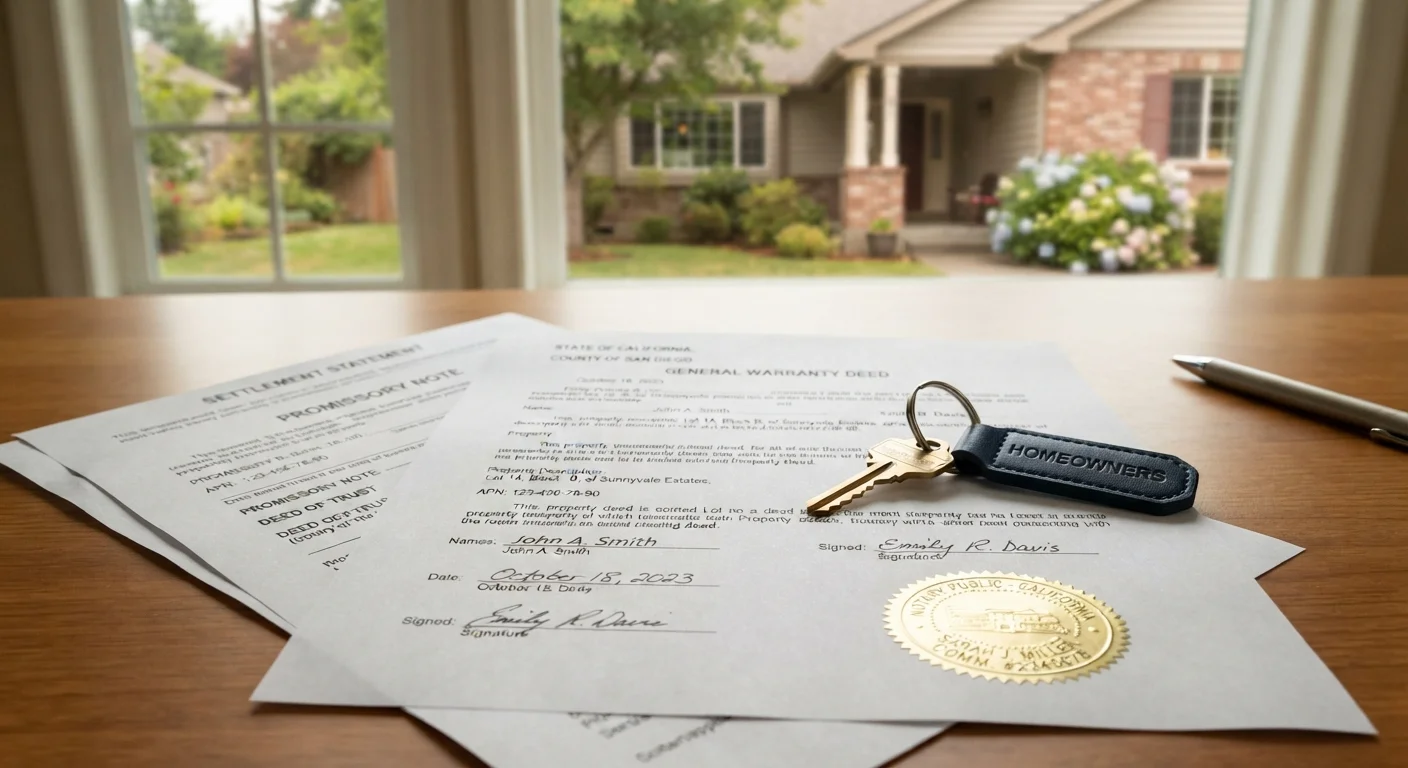
Photo: ReadersChronicle.com | Your Comprehensive Learning Destination editorial
—— In This Article
Key Takeaways
- Title is a legal concept representing your right to own and use a property - not a single document.
- A deed is the signed, notarized document that legally transfers title from a seller to a buyer.
- Different deed types offer different levels of protection; a warranty deed offers the strongest buyer protections.
- Title insurance protects against hidden claims or defects that could challenge your ownership after closing.
- Both title and deed must be properly recorded with your county to make your ownership legally enforceable.
Why These Two Terms Get Confused
"Title" and "deed" are used interchangeably in casual conversation - even by people who work in real estate. That imprecision can leave buyers unsure what they're actually receiving at closing and what protections they're entitled to.
The confusion is understandable: both concepts relate to ownership, and both come up in the same conversation at the same time. But they answer different questions. Title answers who owns this property? A deed answers how did that ownership change?
Getting clear on the distinction matters because problems with either one can cost you money, legal standing, or even the home itself. If you're navigating other unfamiliar terms alongside this one, our guide to terms that trip up first-time buyers can help fill in the gaps.
Title and Deeds Aren't Just for Homes
The same concepts of title and deed apply to other types of property, including vacant land and commercial real estate. Vehicle ownership works similarly - a car's title certificate serves a comparable function to a real estate deed. For a comparison, see our reference on the paperwork behind a car sale.
What Title Actually Means
Title is not a document you can hold in your hand. It's a legal status - the bundle of rights that come with owning property. Those rights include the right to occupy the home, make changes to it, rent it out, sell it, or pass it to heirs.
Title can be held in several ways, and how it's held affects what happens if an owner dies or faces creditors:
- Sole ownership: One person holds all rights.
- Joint tenancy: Two or more people share equal ownership with a right of survivorship, meaning if one owner dies, their share passes automatically to the remaining owners.
- Tenancy in common: Multiple owners hold defined shares that can be unequal and can be inherited or sold independently.
- Community property: Available in some states; treats property acquired during marriage as equally owned by both spouses.
How you take title is a decision with long-term legal and financial implications. A real estate attorney can help you choose the structure that fits your situation.
~36%
Title searches that uncover a defect
The American Land Title Association has reported that roughly one in three title searches reveals an issue requiring resolution before closing.
1 time
Owner's title insurance premium payment
Unlike most insurance, owner's title insurance is paid as a single one-time premium at closing and provides coverage for the entire period you own the home.
What a Deed Is and What It Does
A deed is the legal instrument that transfers title. For a deed to be valid in the US, it generally must include a description of the property, identify both the grantor (seller) and the grantee (buyer), be signed by the grantor, and be notarized. Once signed, it must be recorded with the appropriate county office to be enforceable against third parties.
Not all deeds are equal in what they promise:
- General warranty deed: The seller guarantees clear title going back through the entire ownership history of the property. This is the most protective deed for buyers and is standard in most residential sales.
- Special warranty deed: The seller only warrants against defects that arose during their ownership - not before. Common in commercial transactions and some foreclosure sales.
- Quitclaim deed: Transfers whatever interest the grantor holds - with zero warranties. Frequently used to add or remove a spouse's name, or to transfer property between family members.
Understanding which type of deed you're receiving at closing is a reasonable question to ask your real estate agent or closing attorney.
Always Record Your Deed Promptly
Recording your deed with the county recorder's office is what makes your ownership legally effective against the rest of the world. In most transactions, the title company or closing attorney handles this automatically. But if you're in an informal transaction - such as receiving property as a gift - make sure recording happens right away. An unrecorded deed can leave your ownership vulnerable to legal challenges.
Title Search and Title Insurance: Your Safety Net
Before a sale closes, a title company or real estate attorney conducts a title search - a review of public land records going back decades, sometimes centuries. The goal is to confirm that the seller has the legal right to sell, and that the title is free of encumbrances such as unpaid liens, easements, or unresolved ownership disputes.
Even a thorough search can miss problems buried in old records. That's where title insurance comes in. There are two types:
- Lender's title insurance: Protects your mortgage lender if a title claim surfaces. Almost always required by lenders.
- Owner's title insurance: Protects you, the buyer, against the same risks. It's a one-time premium paid at closing and covers you for as long as you own the home.
Title insurance doesn't cover future changes - like a new lien you take on - only defects that existed before or at the time of purchase. For more on how these documents and payments flow through the closing process, see our article on how escrow works in a home purchase.
This article is for general informational purposes only and does not constitute legal or financial advice. Consult a licensed real estate attorney or qualified professional regarding your specific situation.
Frequently Asked Questions

Real Estate Basics Editorial Team
Real Estate Basics Editorial Team is the collective byline for our editorial team and contributor network. Articles published under this byline or an editorial pen name are researched, written, and reviewed according to our editorial standards for clarity, consistency, and independence before publication.
View author profile