
Mortgage Pre-Qualification vs. Pre-Approval: What Actually Matters
Pre-qualification and pre-approval sound similar but carry very different weight with sellers. Here's what sets them apart.
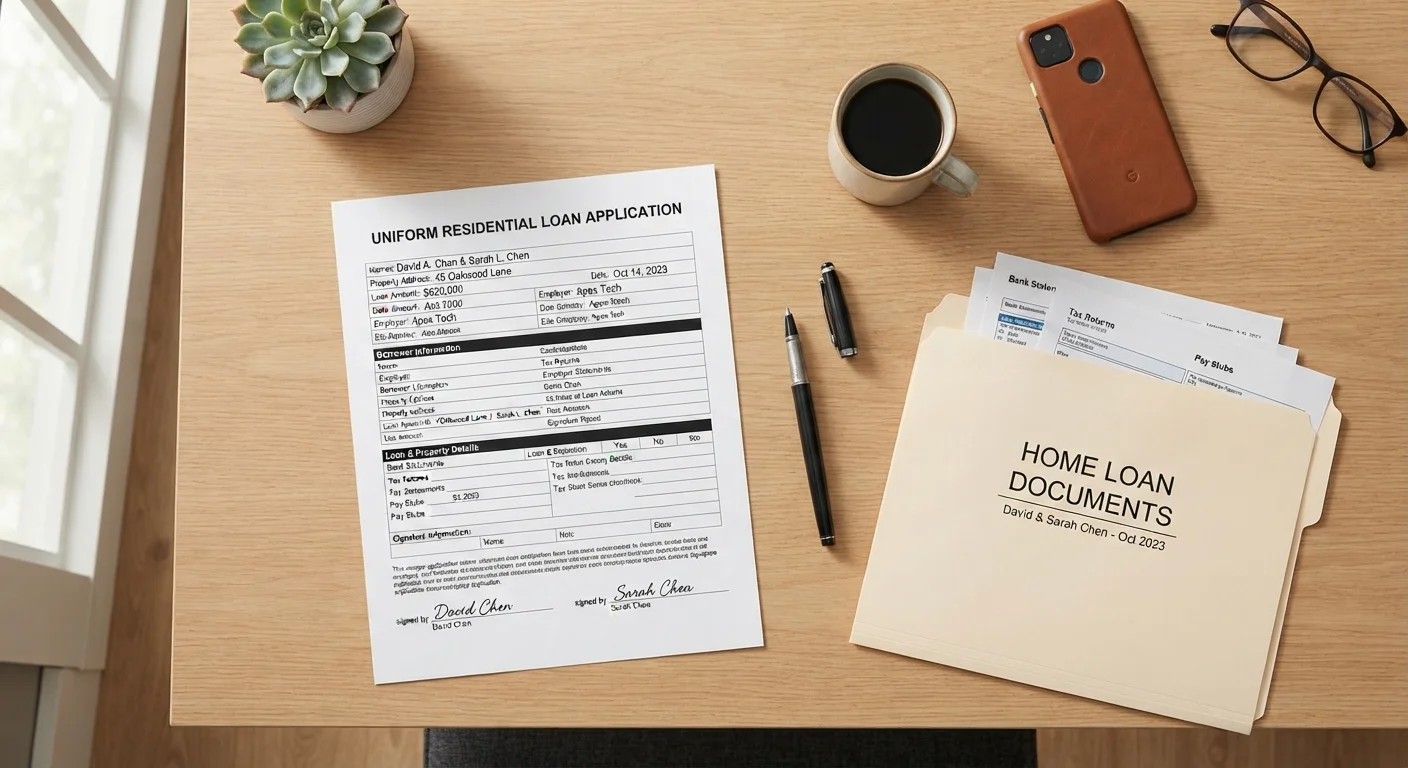
Photo: ReadersChronicle.com | Your Comprehensive Learning Destination editorial
—— In This Article
Key Takeaways
- Pre-qualification is an informal estimate based on self-reported financial information - no hard credit pull required.
- Pre-approval involves verified income, assets, and a hard credit check, making it far more credible to sellers.
- In competitive markets, many sellers and agents will not seriously consider offers without a pre-approval letter.
- Pre-approval is not a loan guarantee; final approval still depends on the property appraisal and underwriting review.
- Getting pre-approved typically takes a few business days and requires documents like pay stubs, tax returns, and bank statements.
What Each Term Actually Means
The two terms sound interchangeable, but they describe very different steps in the mortgage process - and confusing them can cost you the home you want.
Pre-qualification is essentially a lender's informal estimate of what you might be able to borrow. You provide basic information - income, monthly debts, estimated assets - usually without documentation, and the lender gives you a rough range. Most lenders do not pull a hard credit report at this stage, meaning your credit score is unaffected. Think of it as a financial conversation, not a financial commitment.
Pre-approval goes several steps further. The lender collects documentation - typically recent pay stubs, W-2s, federal tax returns, and bank statements - and runs a hard credit inquiry. An underwriter (or automated system) reviews the file and issues a conditional commitment to lend up to a specific amount. That conditionality matters: final loan approval still depends on a satisfactory property appraisal and a clean title, among other factors.
For a deeper look at real estate terminology that trips up first-timers, see our guide to commonly misunderstood real estate terms.
| Criterion | Pre-Qualification | Pre-Approval |
|---|---|---|
| Information required | Self-reported income and debts | Verified documents (pay stubs, tax returns, bank statements) |
| Credit check | Soft check or none | Hard credit inquiry |
| Lender commitment | Informal estimate only | Conditional commitment up to a specific amount |
| Time to obtain | Minutes to hours | Several business days |
| Seller credibility | Low - unverified | High - lender-verified |
| Best used for | Early budget exploration | Active house hunting and making offers |
Why Sellers and Agents Care About the Difference
From a seller's perspective, a pre-qualification letter is little more than a buyer's self-assessment. Because the figures are unverified, sellers have no reliable basis for trusting that the buyer can actually close. In slower markets, this may be acceptable early in negotiation - but in most US housing markets today, listing agents routinely advise sellers to decline or deprioritize offers that lack pre-approval.
A pre-approval letter, by contrast, tells sellers that a lender has already reviewed the buyer's credit, income, and assets and found them creditworthy up to a defined amount. That shifts risk perception significantly. It also compresses the timeline - sellers know this buyer has already cleared a major hurdle, reducing the chance of the deal collapsing during financing.
74%
Sellers who prefer or require pre-approval
According to the National Association of Realtors, a significant majority of listing agents advise sellers to only seriously consider offers accompanied by a pre-approval letter.
~3-5 days
Typical pre-approval processing time
Most lenders can issue a pre-approval decision within a few business days when an applicant submits a complete documentation package upfront.
Before you begin either process, it is worth reviewing your credit profile carefully. Our pre-application credit checklist walks through what to verify and fix before a lender reviews your file.
How to Move from Pre-Qualification to Pre-Approval
If you've already received a pre-qualification and are now ready to make offers, transitioning to pre-approval requires assembling documentation your lender will need to verify the figures you originally self-reported. Commonly requested items include:
- Two most recent pay stubs
- Two years of W-2 statements or, for self-employed borrowers, two years of federal tax returns
- Two to three months of bank and investment account statements
- Government-issued photo ID
- Landlord contact information if currently renting
Processing time varies by lender and application volume, but many buyers receive a pre-approval decision within a few business days of submitting a complete file. Some lenders offer faster turnaround through automated underwriting systems.
One caution: a hard credit pull will appear on your credit report. Multiple mortgage-related hard inquiries within a short window - generally 14 to 45 days depending on the scoring model - are typically treated as a single inquiry, so shopping among lenders during this period is unlikely to compound the impact.
Once you have pre-approval in hand, review our pre-offer checklist to confirm you've covered everything before submitting a purchase offer.
This article is for general informational purposes only and does not constitute financial, legal, or mortgage advice. Mortgage terms, requirements, and market conditions vary. Consult a licensed mortgage professional for guidance specific to your situation.

Real Estate Basics Editorial Team
Real Estate Basics Editorial Team is the collective byline for our editorial team and contributor network. Articles published under this byline or an editorial pen name are researched, written, and reviewed according to our editorial standards for clarity, consistency, and independence before publication.
View author profile