
Before Applying for Any Loan, Run Through This Credit Checklist
A practical pre-application checklist to help you understand where your credit stands and address any issues before a lender reviews your file.
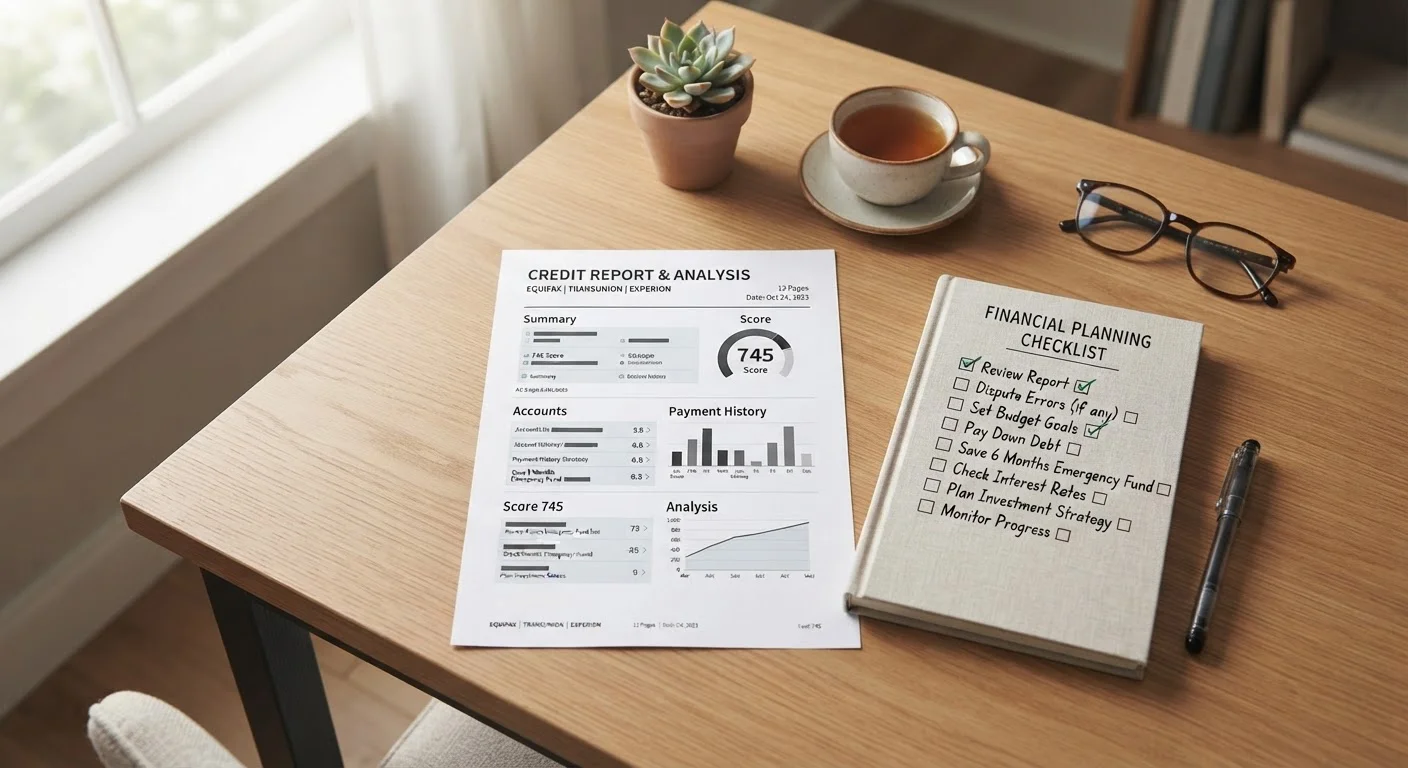
Photo: ReadersChronicle.com | Your Comprehensive Learning Destination editorial
—— In This Article
Key Takeaways
- Pulling your free credit reports before applying helps you catch errors that could hurt your approval odds.
- Your credit score range influences the interest rate a lender may offer you, not just whether you're approved.
- Paying down revolving balances before applying can improve your credit utilization ratio quickly.
- Hard inquiries from multiple loan applications can temporarily lower your score, so time them carefully.
- Lenders look at more than your score - income stability, existing debt, and payment history all matter.
Why Running a Credit Checklist Before Applying Matters
Applying for a loan without reviewing your credit first is a little like taking a road trip without checking your gas gauge. You might make it - or you might get stuck somewhere inconvenient. Lenders evaluate your credit file carefully, and even one correctable error can affect whether you're approved or what interest rate you receive.
The good news: most of the factors lenders examine are visible to you before you ever submit an application. Knowing where you stand gives you the chance to address problems, correct mistakes, and walk into the process with realistic expectations.
For a broader understanding of how credit scores are built and used, see our complete guide to credit scores. If you're starting with little to no credit history, building credit from scratch covers practical first steps.
This Is General Information, Not Personalized Advice
This checklist provides general financial education to help you understand the credit review process. It is not personalized financial, legal, or credit counseling advice. Your specific situation may differ. For guidance tailored to your circumstances, speak with a licensed financial adviser or a HUD-approved housing counselor if you're pursuing a mortgage.
What You'll Need to Get Started
Before working through the checklist, gather a few basic tools. None of them require spending money.
AnnualCreditReport.com
The federally authorized site to access your free credit reports from all three major bureaus.
Free Credit Score Service (via bank or credit union)
Lets you monitor your current score and see the factors influencing it without triggering a hard inquiry.
CFPB Dispute Letter Templates
The Consumer Financial Protection Bureau provides free template letters for disputing credit report errors with bureaus.
Nonprofit Credit Counseling (NFCC member agencies)
Provides free or low-cost professional guidance on managing debt and improving your credit profile before borrowing.
Set aside 30 to 60 minutes in a quiet space. You'll be reading through detailed financial documents, and rushing increases the chance of missing something important.
The Full Pre-Application Credit Checklist
Work through each group in order. The groups are sequenced so that earlier steps (like pulling your reports) inform what you find in later ones (like identifying payment history issues). Check off items as you complete them.
Pull and Review Your Credit Reports
Understand Your Credit Score
Reduce Debt and Improve Utilization
Review Your Payment History
Manage New Applications and Inquiries
Prepare Your Financial Picture
Disputes Take Time - Plan Ahead
Credit bureaus have up to 30 days to investigate a dispute under federal law. If you find errors on your report, file corrections as early as possible - ideally 60-90 days before you plan to apply. Waiting until the last minute may mean your loan file is reviewed with the error still in place.
Don't Confuse Soft and Hard Inquiries
Checking your own credit score or report is a 'soft inquiry' and does not affect your score. A lender pulling your credit as part of a formal application is a 'hard inquiry' and can cause a small, temporary dip. Applying to multiple lenders outside of a focused rate-shopping window can compound this effect.
A Few Things to Keep in Mind Before You Apply
Credit preparation isn't only relevant for mortgages. Whether you're looking at a personal loan, an auto loan, or a credit card with a significant limit, lenders run similar reviews. If you're planning a major vehicle purchase, our used car buyer's checklist covers what to verify beyond the financing side. For home buyers, you'll also want to review a pre-offer home checklist once your credit is in order.
Finally, keep in mind that credit improvement takes time. If your review reveals significant issues - high utilization, collections, or a thin payment history - it may be worth waiting a few months and addressing those items before applying, rather than submitting with a weakened file. A short delay often leads to meaningfully better loan terms.
This article is for general informational and educational purposes only and does not constitute personalized financial, legal, or credit counseling advice. Consult a licensed financial professional for guidance specific to your situation.

Finance Editorial Team
Finance Editorial Team is the collective byline for our editorial team and contributor network. Articles published under this byline or an editorial pen name are researched, written, and reviewed according to our editorial standards for clarity, consistency, and independence before publication.
View author profile