
What NPK Actually Means on a Fertilizer Bag
Those three numbers on every fertilizer label tell you a lot — if you know how to read them. A plain-language breakdown of nitrogen, phosphorus, and potassium.
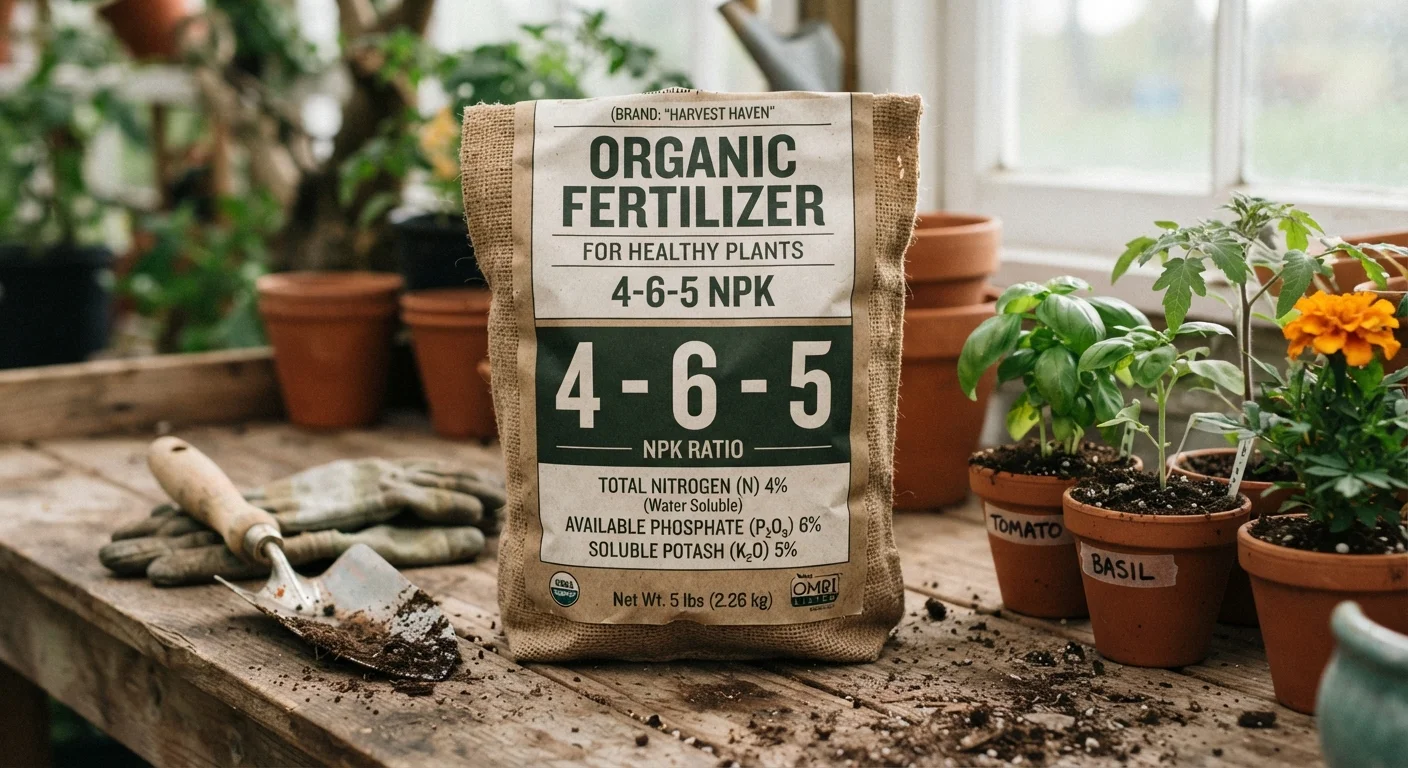
Photo: ReadersChronicle.com | Your Comprehensive Learning Destination editorial
—— In This Article
Key Takeaways
- N, P, and K stand for nitrogen, phosphorus, and potassium - the three core plant nutrients.
- The three numbers on a fertilizer bag show the percentage of each nutrient by weight.
- Different plants and growth stages need different NPK balances.
- A balanced fertilizer (equal numbers) works well for most general garden maintenance.
- More fertilizer is not always better - over-applying can harm plants and soil.
The Three Letters Every Gardener Should Know
Pick up any bag of fertilizer and you'll spot three numbers separated by dashes - something like 10-10-10 or 5-10-5. Those numbers correspond to three letters: N, P, and K. They always appear in that order, and each one represents a different essential nutrient your plants rely on to grow.
Understanding what each letter means - and why the ratio between them matters - can save you money and spare your plants from fertilizer mistakes. Just like decoding a plant tag helps you pick the right plant for the right spot, reading an NPK label helps you pick the right food for it once it's in the ground.
3
Primary macronutrients all plants require
Nitrogen, phosphorus, and potassium are classified as primary macronutrients by soil scientists because plants consume them in the largest quantities relative to other minerals.
~70%
Of a balanced fertilizer bag that is filler
In a 10-10-10 fertilizer, only 30% of the bag's weight is actual nutrients; the rest is inert carrier material that aids even distribution during application.
What Each Nutrient Actually Does
Nitrogen (N) drives leafy, green growth. It's the nutrient most responsible for lush foliage and rapid vertical development. Lawns, spinach, lettuce, and herbs all benefit from adequate nitrogen. When a plant looks pale yellow and growth seems sluggish, low nitrogen is often the culprit.
Phosphorus (P) supports root development, flowering, and fruiting. It's especially important when plants are young and establishing their root systems, and again when they shift from producing leaves to producing flowers or vegetables. Tomatoes, peppers, and bulb flowers are classic examples of phosphorus-hungry plants during their flowering phase.
Potassium (K) acts as a plant's overall health manager. It regulates water movement inside plant cells, strengthens stems, and boosts resistance to disease and drought stress. Plants that look weak, produce poor yields, or show scorched leaf edges may be running low on potassium.
Start With a Soil Test Before Fertilizing
Before spending money on fertilizer, consider getting your soil tested. Many university cooperative extension programs offer affordable soil tests that show your soil's current nutrient levels and pH. The results take the guesswork out of NPK selection and help you avoid buying nutrients your soil already has plenty of.
How to Match the Ratio to Your Garden's Needs
The ratio between the three numbers matters more than the numbers themselves. A balanced fertilizer like 10-10-10 provides equal amounts of all three nutrients - a reliable choice for general garden beds, mixed containers, or gardeners who aren't sure what their soil needs.
If you're growing a lawn or feeding leafy greens, look for a fertilizer where the first number (N) is higher, such as a 20-5-10. For flowering plants, fruit trees, or root vegetables, a higher middle or third number often makes more sense - something like a 5-10-10 encourages blooms and roots over leaves.
The most reliable way to avoid guessing is a simple soil test. Many cooperative extension services offer low-cost testing, and the results will tell you exactly what your soil is missing before you spend money on fertilizer.
A Few Practical Reminders Before You Buy
Fertilizer numbers only tell you the nutrient percentages - they don't tell you whether the fertilizer is synthetic or organic, fast-release or slow-release. Slow-release formulas feed plants gradually over weeks or months and are generally more forgiving for beginners. Fast-release types act quickly but require more careful application to avoid burning plants.
Always apply fertilizer according to the rate on the label. Using more than recommended doesn't speed up growth - it can damage roots and contribute to nutrient runoff that harms local waterways. Less is often safer, especially if you're unsure about your soil's current nutrient levels.
Reading the NPK label is a small habit that pays off. You don't need to become a soil scientist - you just need to match what's in the bag to what your plants are actually asking for.
“Plants don't need more fertilizer - they need the right fertilizer. Matching the nutrient ratio to the plant's stage of growth is what separates healthy gardens from struggling ones.”
— Cooperative Extension Soil Fertility Guidance, Land-grant university extension programs across the U.S.
Frequently Asked Questions

Home Editorial Team
Home Editorial Team is the collective byline for our editorial team and contributor network. Articles published under this byline or an editorial pen name are researched, written, and reviewed according to our editorial standards for clarity, consistency, and independence before publication.
View author profile