
Credit Scores Decoded: What the Numbers Actually Mean
Learn what credit score ranges mean, how scores are calculated, and why lenders care so much about a three-digit number.
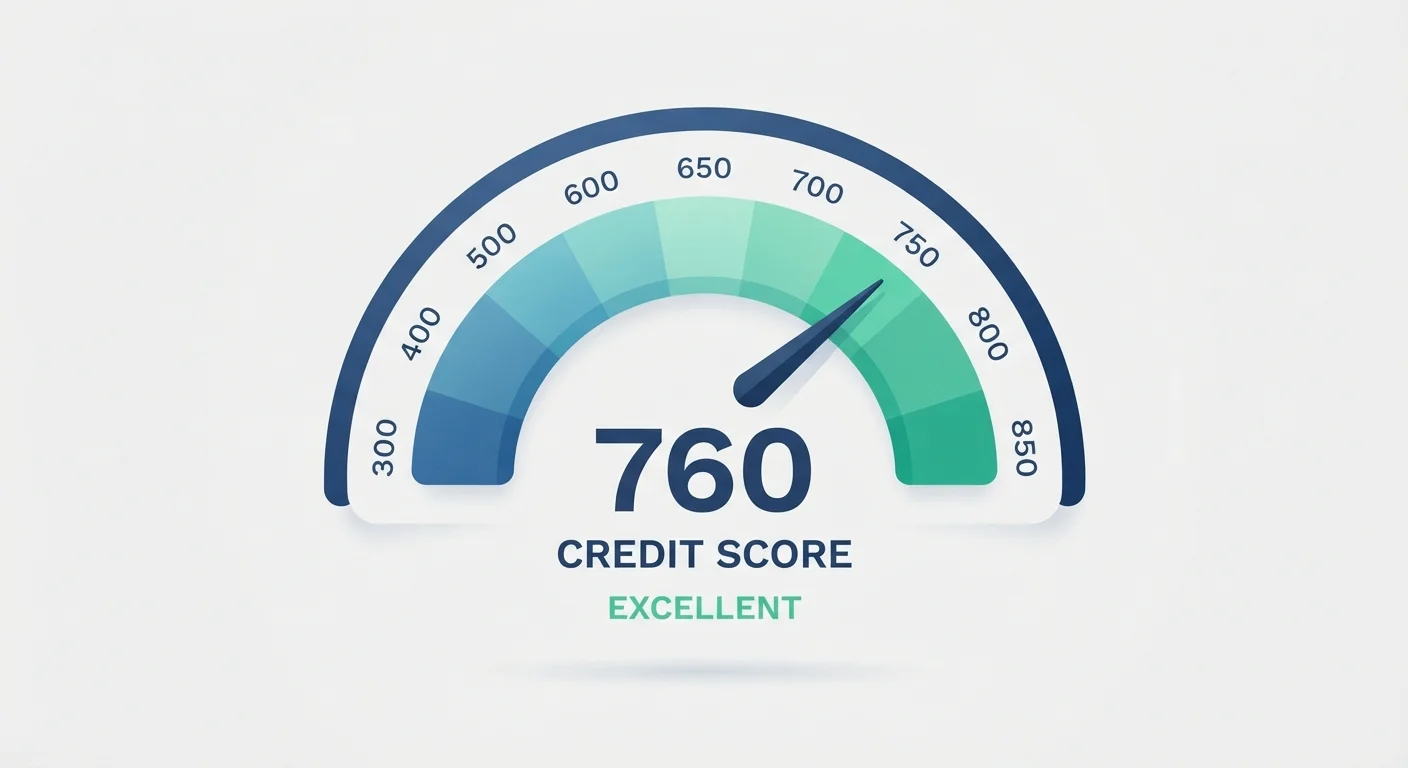
Photo: ReadersChronicle.com | Your Comprehensive Learning Destination editorial
—— In This Article
Key Takeaways
- Credit scores range from 300 to 850, with higher numbers signaling lower lending risk.
- Payment history is the single largest factor in most scoring models.
- A score above 670 is generally considered good; above 740 opens more favorable terms.
- Scores are calculated from data in your credit report, not income or savings.
- Multiple scoring models exist - lenders may use different versions for different decisions.
- You can check your credit report for free at AnnualCreditReport.com without affecting your score.
The Score Range and What Each Band Means
The standard credit score scale runs from 300 to 850. Here's how lenders generally interpret each band:
| Score Range | Category | What It Signals |
|---|---|---|
| 800-850 | Exceptional | Very low risk; often qualifies for best available terms |
| 740-799 | Very Good | Low risk; typically qualifies for competitive rates |
| 670-739 | Good | Near or above average; most standard loans accessible |
| 580-669 | Fair | Some risk flags; approval possible but at higher rates |
| 300-579 | Poor | High risk; limited options, often requiring secured products |
These bands aren't hard cutoffs set by any single authority - individual lenders set their own thresholds. A score of 680 might sail through one lender's approval process and fall short at another's. That said, these ranges reflect widely used FICO Score benchmarks and give you a reliable working framework.
716
Average U.S. FICO Score
According to FICO's published data, the average American credit score has held in the 'good' range in recent years.
~49M
Credit-invisible Americans
The Consumer Financial Protection Bureau (CFPB) has estimated that roughly 45-49 million adults have no scoreable credit file.
35%
Weight of payment history in FICO scoring
Payment history is the single largest component of a FICO Score, making on-time payments the most impactful habit you can build.
How Your Score Is Actually Calculated
Your score doesn't come from thin air - it's calculated from data inside your credit report. The five core factors, as defined by the FICO model, are:
- Payment history (35%): Whether you've paid on time. One missed payment can meaningfully drop your score.
- Credit utilization (30%): How much of your available revolving credit you're using. Lower is generally better.
- Length of credit history (15%): How long your accounts have been open. Older accounts help.
- Credit mix (10%): A variety of account types - cards, loans, mortgage - can help modestly.
- New credit (10%): Recent applications for credit. Too many in a short window can signal risk.
For a deeper look at each factor and how much it actually moves the needle, see The Five Factors Behind Every Credit Score.
Keep Utilization Below 30% - Lower Is Better
Credit utilization - how much of your available credit limit you're using - accounts for 30% of your FICO Score. If your card limit is $5,000 and your balance is $2,000, your utilization is 40%. Paying down balances or requesting a limit increase (without spending more) can lower that ratio and give your score a meaningful lift. For a full breakdown, see Credit Utilization: The Ratio That Quietly Shapes Your Score.
Why Lenders Care - and What They Do With the Number
From a lender's perspective, your credit score does one thing: estimate the probability that you'll repay what you borrow. A higher score signals lower default risk, which is why it directly influences whether you're approved and at what interest rate.
The stakes are real. On a 30-year mortgage, the difference between a 680 and a 760 score can translate to a meaningfully higher interest rate - and thousands of dollars more in total interest paid over the life of the loan. Lenders also use scores for credit cards, auto loans, and sometimes even rental applications or utility deposits.
It's worth knowing that your score is only one piece of the picture. Lenders also weigh your income, employment status, and debt-to-income ratio before making a final decision.
Reading Your Report: Where the Score Comes From
Your credit score is only as accurate as the data feeding it. That data lives in your credit report - a detailed record of your accounts, payment history, balances, and public records maintained by the three major bureaus: Equifax, Experian, and TransUnion.
Errors in your report can drag your score down unfairly. Federal law gives you the right to dispute inaccuracies, and corrections can sometimes improve your score significantly. You're entitled to a free report from each bureau annually at AnnualCreditReport.com - the only federally authorized source.
For a practical walkthrough of every section of a credit report and what to watch for, see Reading Your Credit Report Without Getting Lost.
You Have More Than One Credit Score
There are dozens of FICO Score versions, plus VantageScore and industry-specific models for auto loans or mortgages. The score a mortgage lender pulls may differ from the one your bank shows you in its app. Don't be alarmed by small differences - what matters more is the trend direction and which band your scores consistently fall into.
This article is for general informational purposes only and does not constitute personalized financial or legal advice. Consult a qualified financial professional for guidance specific to your situation.
Frequently Asked Questions

Finance Editorial Team
Finance Editorial Team is the collective byline for our editorial team and contributor network. Articles published under this byline or an editorial pen name are researched, written, and reviewed according to our editorial standards for clarity, consistency, and independence before publication.
View author profile