
Why Your Brakes Are Squealing - and When to Take It Seriously
Not every brake squeal means immediate danger, but some do. Learn what different brake noises signal and how to tell the difference.
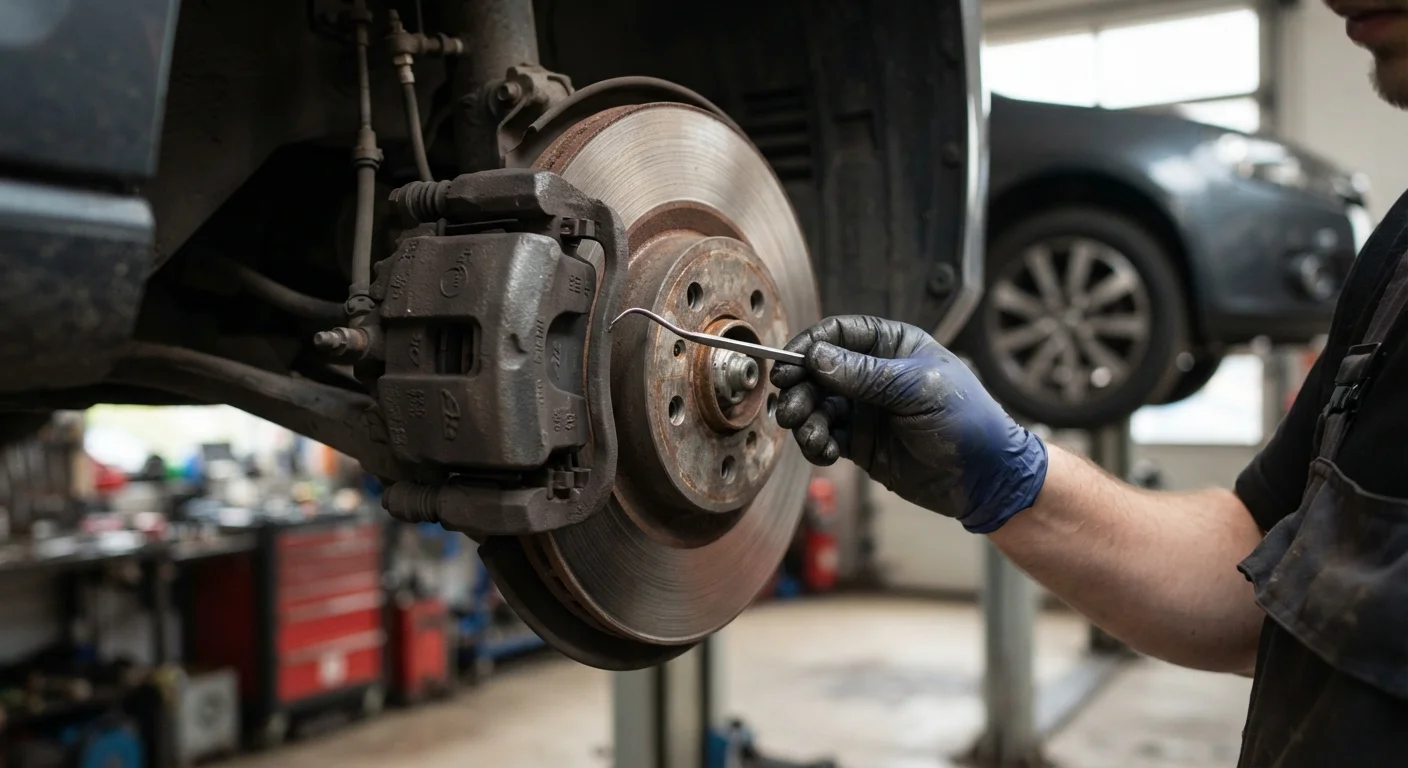
Photo: ReadersChronicle.com | Your Comprehensive Learning Destination editorial
—— In This Article
Key Takeaways
- Morning squealing that fades after a stop or two is usually caused by surface rust and is not a safety concern.
- A persistent squeal that doesn't go away is often the wear indicator telling you pads are nearly spent.
- Grinding (not squealing) almost always means metal-on-metal contact - stop driving and get it inspected immediately.
- Wet or dusty conditions can cause temporary brake noise that disappears on its own.
- Ignoring brake noise for too long can turn a pad replacement into a rotor replacement, significantly raising your repair cost.
The Most Common Reasons Brakes Squeal
Not all brake noise means the same thing. Here are the most frequent causes, ranked roughly from least to most urgent:
- Surface rust after sitting overnight or in rain. This is the most common cause of morning squealing and is harmless. It goes away within the first few stops.
- Dust or debris between the pad and rotor. A small piece of grit can cause a brief squeal or scrape that disappears on its own.
- Worn brake pads triggering the wear indicator. This is your car telling you it's time for new pads. The noise is intentional - a thin metal tab built into the pad scrapes the rotor when the pad material gets low.
- Glazed pads or rotors. Repeated light braking without fully stopping - common in stop-and-go traffic or long downhill driving - can overheat the pad surface, creating a hard, glassy layer that vibrates and squeals.
- Low-quality or mismatched pads. Some aftermarket brake pads use harder compounds that are more prone to noise, especially when cold.
Track the Pattern Before Your Appointment
Before you see a mechanic, spend a few days noting when the squeal occurs - morning only, every stop, at low speeds, or during hard braking. This information helps the technician narrow down the cause faster and can protect you from a vague diagnosis. A quick voice memo after your commute is all it takes.
If the noise only happens during the first one or two stops of the day and then stops completely, you can typically monitor it without rushing to a shop. Keep a mental note of whether it's getting more frequent or louder over time.
Squeal vs. Grind: Knowing the Difference Matters
There's a meaningful difference between a squeal and a grind, and getting them confused can cost you.
Squealing - a high-pitched, almost musical noise - is usually pad-related. It can come and go depending on temperature, humidity, and speed.
Grinding - a harsh, metal-on-metal scraping sound - typically means the brake pad material is completely gone and the metal backing plate is contacting the rotor directly. This damages the rotor with every stop and can compromise your braking ability. If you hear grinding, don't wait. Get the vehicle inspected before driving it further whenever possible.
Grinding Is a Different Conversation
A grinding noise from the brakes is categorically more urgent than a squeal. It typically signals that pad material is exhausted and metal components are contacting each other directly. This can damage your rotors rapidly and affect stopping distance. Treat grinding as a reason to limit driving until the vehicle is inspected, not something to monitor over time.
A grinding noise can also indicate a stuck caliper (the clamp that squeezes the pads against the rotor) or a foreign object lodged in the brake assembly. These aren't pad-wear issues and won't resolve on their own. Both require a professional to diagnose safely.
Unusual brake behavior - including noises that accompany a warning light - may be flagged on your dashboard. See what those signals mean in our guide to warning lights drivers routinely ignore.
When to Stop Waiting and Book an Inspection
These are the situations where a professional look is the right call - not next month, but soon:
- The squeal happens on most or every braking event, not just the first stop of the day.
- The noise has been present for more than two to three weeks and isn't fading.
- You notice the car pulling to one side when you brake.
- The brake pedal feels softer than usual or travels further before the car slows.
- You hear grinding at any point.
Brake pad replacement is one of the more straightforward - and moderately priced - maintenance jobs. Replacing a rotor because a worn pad was left too long is considerably more expensive. Catching it early is simply the more budget-conscious move.
~$150-$300
Typical brake pad replacement cost per axle
General industry estimates for parts and labor vary by vehicle type and region; always get a written quote before authorizing work.
2-3x
Cost increase when rotors need replacing too
Allowing pads to wear completely through can force rotor replacement alongside pad replacement, roughly doubling or tripling the repair bill.
What a Mechanic Will Actually Do
When you bring the car in for brake noise, a mechanic will typically remove the wheel to inspect pad thickness, rotor condition, and caliper function. They'll look for uneven wear (which can indicate a caliper problem), measure rotor thickness, and check the hardware that holds the pads in place.
You don't need to authorize any work before getting that inspection. Ask the mechanic to show you the pads if possible - a visual of the remaining material is straightforward to understand and gives you confidence in the recommendation.
If you're told pads and rotors both need replacing, ask whether the rotors are below minimum thickness (a measurable spec) or whether resurfacing is an option. Being informed helps you avoid unnecessary upsells without second-guessing legitimate repair needs.
This article is for general informational purposes only. For specific concerns about your vehicle's brake system, consult a qualified mechanic. Do not attempt to inspect or repair brake components without the appropriate tools, knowledge, and safety precautions.
Frequently Asked Questions

Cars Editorial Team
Cars Editorial Team is the collective byline for our editorial team and contributor network. Articles published under this byline or an editorial pen name are researched, written, and reviewed according to our editorial standards for clarity, consistency, and independence before publication.
View author profile