
Seasonal Car Prep: What Changes When the Weather Does
Use this seasonal checklist to make sure your vehicle is ready for temperature swings, road salt, summer heat, and everything in between.
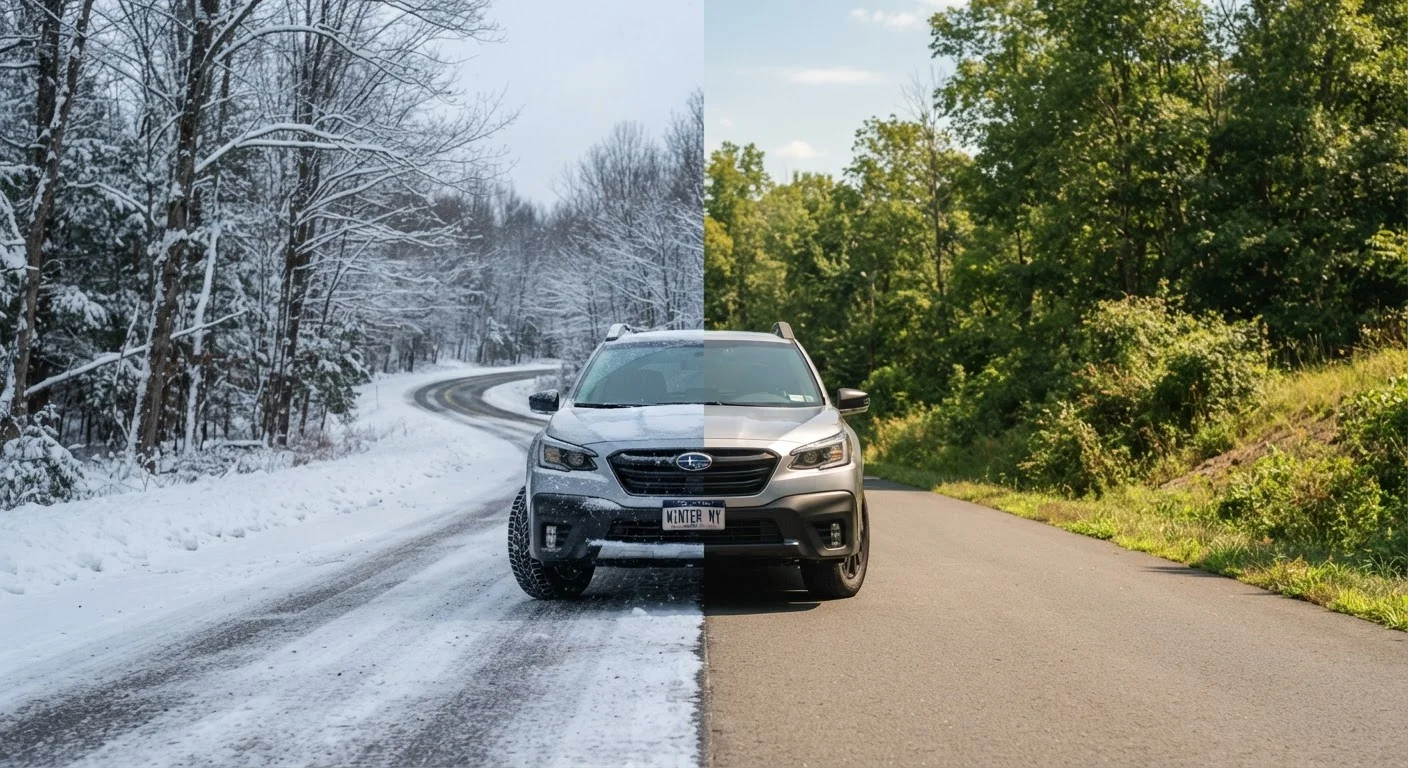
Photo: ReadersChronicle.com | Your Comprehensive Learning Destination editorial
—— In This Article
Key Takeaways
- Tire pressure drops roughly 1 PSI for every 10°F drop in temperature - check monthly in cold months.
- Engine coolant protects against both freezing in winter and overheating in summer.
- Road salt accelerates rust; washing the undercarriage after winter storms matters.
- Wiper blades and cabin air filters are inexpensive fixes that have a big impact on visibility and comfort.
- A seasonal check takes under an hour and can prevent costly breakdowns year-round.
Why Seasonal Checks Are Worth Your Time
Your car doesn't experience seasons the same way you do. Temperature swings, road treatments, UV exposure, and humidity all work on your vehicle in ways that gradually add up - and often catch drivers off guard. A flat tire in January or an overheated engine in August isn't just inconvenient; it can be expensive and unsafe.
The good news is that most seasonal car prep doesn't require a mechanic. A lot of it is visual, takes under an hour, and costs very little. Think of this checklist as a twice-a-year habit - once heading into winter, once heading into summer - that keeps surprises off the table.
For a deeper look at how your vehicle's service milestones connect to these checks, see Your Car's Maintenance Schedule, Decoded. And while you're reviewing your car's readiness, it's also worth checking whether your coverage still fits - Your Annual Auto Insurance Checkup walks through what to look at before your policy renews.
Tire pressure gauge
Accurately check PSI in all four tires - digital models are easiest to read.
Flashlight or work light
Illuminate the engine bay, undercarriage, and wheel wells during visual inspections.
Coolant test strips or refractometer
Verify that your antifreeze/coolant is still effective at the current protection range.
Windshield washer fluid (season-appropriate)
Winter formula resists freezing; summer formula handles bugs and UV film.
Jumper cables or jump starter pack
Cold weather stresses batteries - having a jump-start option is a low-cost safety net.
Emergency kit (blanket, flares, first aid)
Winter kits should include a blanket and ice scraper; summer kits should include water and sun protection.
The Seasonal Car Prep Checklist
Work through these groups in order. Items marked must are non-negotiable for safety and reliability. Should items are strongly recommended. Nice to have items add comfort and extend your vehicle's life.
Tires
Fluids
Battery & Electrical
Visibility & Comfort
Brakes & Undercarriage
Don't Skip the Battery Before Winter
A battery that's borderline in October will very likely fail in January. Cold temperatures significantly reduce a battery's available power, and a car that barely starts in fall often won't start at all once temperatures drop below freezing. If your battery is three or more years old, a load test at a shop - often free - tells you whether it still holds a reliable charge.
Road Salt Damage Is Slow but Serious
Salt used for ice control is corrosive and clings to metal brake lines, fuel lines, and the vehicle frame long after roads dry out. A single winter of neglected washing can accelerate rust in ways that show up years later as expensive repairs. Make undercarriage rinsing part of your spring transition - even a drive through a car wash with an undercarriage spray cycle helps.
A Few Things Worth Knowing Before You Start
Some tasks on this list - such as checking fluid levels or swapping wiper blades - are genuinely DIY-friendly. Others, like inspecting brake pads or testing your charging system, are better left to a qualified mechanic if you're not comfortable working under the hood or beneath the vehicle. When in doubt, a quick multi-point inspection at a shop is usually free or low-cost and gives you a professional second opinion.
If you live in a region with true winters, the transition from salt-covered roads back to dry pavement is a good trigger for your spring checklist. Road salt is corrosive and doesn't stop working just because the snow melts - rinsing the undercarriage matters. Similarly, drivers in hot climates should pay particular attention to coolant condition and tire pressure heading into summer, when heat amplifies both risks.
Seasonal prep isn't just a car thing - the same discipline applies to your home. Our home maintenance hub covers similar seasonal checklists for everything inside your house.

Cars Editorial Team
Cars Editorial Team is the collective byline for our editorial team and contributor network. Articles published under this byline or an editorial pen name are researched, written, and reviewed according to our editorial standards for clarity, consistency, and independence before publication.
View author profile