
Why Sticker Price Is a Starting Point, Not a Sentence
Understanding MSRP, dealer markup, and invoice price gives you the context to negotiate with confidence rather than guesswork.
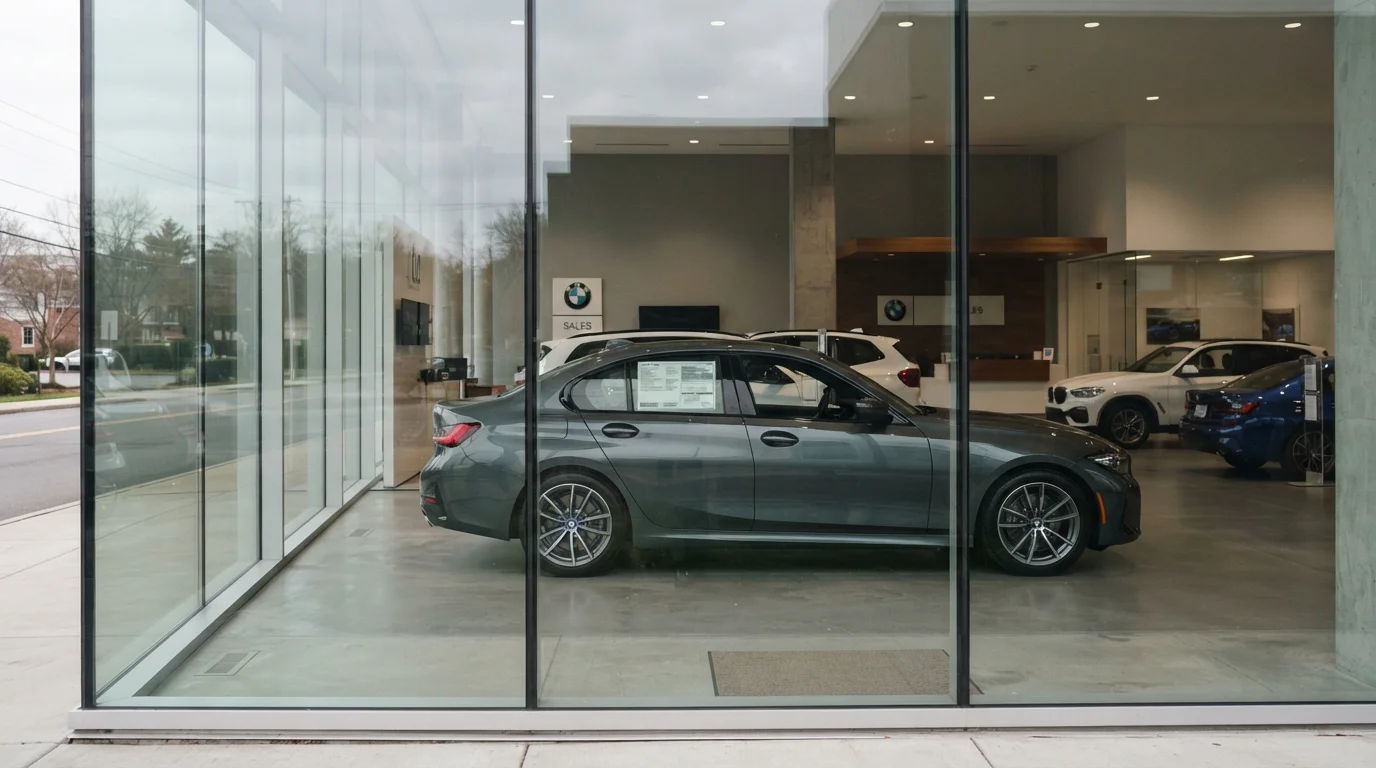
Photo: ReadersChronicle.com | Your Comprehensive Learning Destination editorial
—— In This Article
Key Takeaways
- MSRP is the manufacturer's suggestion - dealers can sell above or below it.
- Invoice price is what the dealer paid; it's often lower than MSRP and publicly available.
- Dealer markups (ADM) are common on high-demand vehicles and can add thousands to the price.
- Knowing these three numbers puts you in a much stronger negotiating position.
- Out-the-door price - including taxes, fees, and add-ons - is what actually matters.
Three Numbers Every Car Buyer Should Know
Walk into any dealership and the window sticker is the first thing that catches your eye. That number - the MSRP - is designed to anchor your expectations. But there are two other figures that matter just as much: the invoice price and the out-the-door price.
Invoice price is what the dealer paid the manufacturer. It's typically lower than MSRP by a meaningful margin, and it's publicly available through automotive research tools. Knowing it tells you roughly where the dealer's floor is.
Out-the-door price is the total you'll actually write a check for - sticker plus taxes, registration, documentation fees, and any add-ons. This is the number that belongs in your budget, not the window sticker alone.
~$48,000
Average new vehicle transaction price in the US
According to Kelley Blue Book data, average new vehicle transaction prices have hovered near this level in recent years, well above what many buyers initially budget.
1-8%
Typical gap between invoice price and MSRP
The dealer-to-manufacturer margin varies by vehicle segment; trucks and SUVs often carry wider gaps than economy sedans.
$1,000+
Common range for documentation and dealer fees
Documentation fees vary widely by state and dealer - some states cap them, others do not - making the OTD price significantly higher than sticker alone.
What Dealer Markup Actually Means
When a vehicle is in high demand or short supply, some dealers add an Additional Dealer Markup (ADM) on top of MSRP. This isn't hidden - it usually appears as a second sticker next to the Monroney label. But it's also not fixed. ADM exists because dealers can charge it, not because they're required to.
On the flip side, when a vehicle has been sitting on the lot for weeks or months, dealers may discount below MSRP to move inventory. Timing and market conditions matter more than most buyers realize.
Check Inventory Levels Before You Negotiate
A quick search of dealer inventory websites can tell you how many units of your target vehicle are sitting on lots in your region. High local inventory generally means more room to negotiate below MSRP. Low inventory - especially on newly released models - usually means less. Adjust your expectations accordingly before walking in.
Whether you're buying from a dealer or exploring private options, the underlying mechanics of price-setting are worth understanding. Our article on private sellers versus dealerships covers how the negotiating environment shifts when there's no sticker in the window at all.
How to Use This Knowledge Without Feeling Awkward
Knowing the numbers is half the job. Using them calmly is the other half.
Before visiting a dealership, look up the invoice price for the trim you want. Decide on a target out-the-door price that fits your actual budget. When the salesperson quotes MSRP, you can acknowledge it and counter with something grounded in data rather than guesswork.
“An informed buyer is a dealership's most straightforward customer. They know what they want, they know what it's worth, and they waste no one's time.”
— Philip Reed, Former automotive editor and consumer car-buying advisor
A few practical habits that help:
- Get competing quotes from multiple dealers in writing before committing to one.
- Separate the vehicle price negotiation from trade-in and financing discussions - bundling them makes it harder to track what you're actually paying.
- Always ask for the out-the-door price in writing before signing anything.
None of this requires being confrontational. It just requires being prepared.
Frequently Asked Questions

Cars Editorial Team
Cars Editorial Team is the collective byline for our editorial team and contributor network. Articles published under this byline or an editorial pen name are researched, written, and reviewed according to our editorial standards for clarity, consistency, and independence before publication.
View author profile