
Why Your Auto Insurance Premium Is What It Is
Age, credit score, ZIP code, and driving record all shape what you pay. Here's a clear look at the factors insurers use to set your premium.
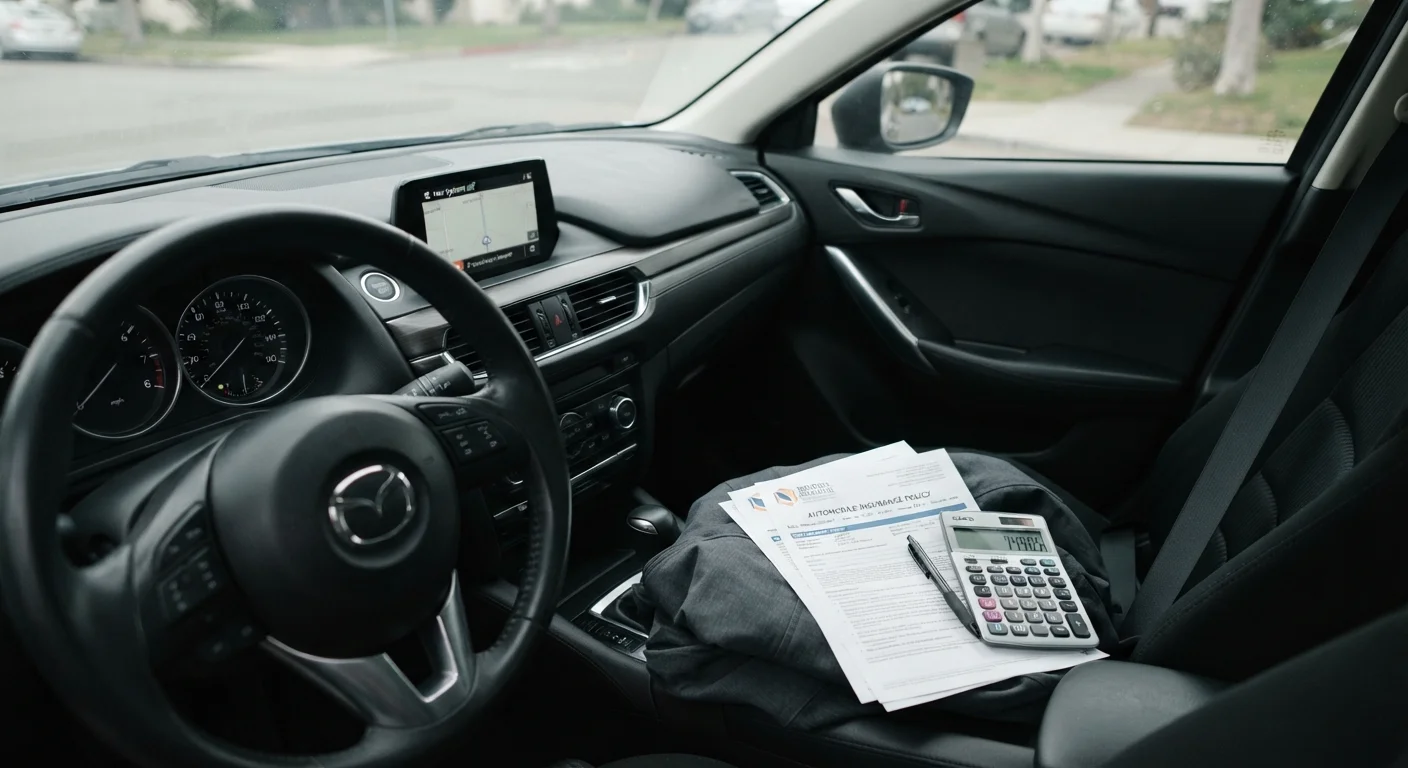
Photo: ReadersChronicle.com | Your Comprehensive Learning Destination editorial
—— In This Article
Key Takeaways
- Your driving record is one of the single biggest factors in what you pay for auto insurance.
- Where you live affects your rate - urban ZIP codes typically carry higher premiums than rural ones.
- Your credit-based insurance score influences rates in most US states.
- The vehicle you drive, how much you drive, and the coverage levels you choose all shift your premium.
- Many rating factors are things you can influence over time, giving you real leverage on your cost.
The Core Idea: You're Being Priced as a Risk
Insurance is a risk-sharing system. When you buy a policy, your insurer is essentially betting on how likely you are to cost them money through a claim. Your premium is their price for taking on that risk. To estimate it, they look at a wide range of personal and environmental data points - some you control, some you don't.
Understanding what goes into that calculation gives you a clearer picture of why your bill is what it is - and where you might have room to lower it. For a broader introduction to how coverage types work, see Auto Insurance Decoded.
The Factors That Shape Your Rate
Insurers don't use a single number to set your premium - they weigh many variables at once. Here are the most significant ones:
Driving Record
Tickets, at-fault accidents, and serious violations like DUIs are among the most impactful factors. A clean record signals lower risk; a spotty one signals the opposite. Most violations stay on your insurance record for three to five years, depending on the state and infraction type.
Location
Your ZIP code tells insurers about local accident rates, vehicle theft rates, weather risks, and how congested roads are. Drivers in dense urban areas typically pay more than those in rural areas, even if their personal records are identical.
Vehicle
The make, model, age, and safety ratings of your car all factor in. Vehicles that are expensive to repair, frequently stolen, or historically involved in serious crashes cost more to insure. Safety features like automatic emergency braking can work in your favor.
Coverage Levels and Deductibles
The more coverage you carry - and the lower your deductible - the more you'll pay. This is one of the few factors entirely within your control at the time you buy a policy.
Annual Mileage
The more you drive, the more exposure you have to accidents. Insurers often ask for your estimated annual mileage, and low-mileage drivers may qualify for reduced rates.
~3-5 years
How long most violations affect your rate
The exact duration depends on your state and the type of infraction; serious violations like DUIs can affect rates longer.
4 states
States restricting credit-based insurance scoring
California, Hawaii, Massachusetts, and Michigan limit or prohibit the use of credit data in auto insurance pricing.
Up to 30%
Typical premium difference: urban vs. rural drivers
Location-based pricing gaps vary widely by insurer and market, but urban drivers commonly face materially higher base rates.
Personal Factors: Age, Credit, and Household
Beyond your car and where you park it, insurers look at who you are as a driver.
Age and Experience
Young drivers - especially those under 25 - pay significantly higher premiums on average because inexperience correlates with a higher claim rate. Rates generally moderate as drivers accumulate a clean record. Older drivers may also see rate increases after a certain age due to statistical risk patterns.
Credit-Based Insurance Score
In states where it's permitted, insurers use a version of your credit data to predict claim likelihood. Research cited by the Federal Trade Commission has found a statistical correlation between credit indicators and insurance losses, which is why this practice is widespread - though controversial and prohibited in some states.
Marital Status and Household Drivers
Married drivers have historically been priced slightly lower in states that allow the factor, based on aggregate claims data. Any licensed driver in your household may also affect your rate, particularly if they have a poor driving record.
What You Can Do About It
Some factors - like your age or where you live - aren't things you can easily change. But several are genuinely within your control over time:
- Keep a clean driving record. Avoiding tickets and at-fault accidents is the most direct way to keep rates from climbing.
- Review your coverage levels. If you're carrying more coverage than you need, or have a low deductible on an older vehicle, adjusting these choices can reduce your premium.
- Improve your credit score. In states where credit is a factor, improving your overall credit health can gradually work in your favor at renewal.
- Look into available discounts. Many insurers offer reductions for things like bundling policies, going paperless, or completing a defensive driving course. Common auto insurance discounts are worth reviewing before your next renewal.
It's also worth checking your policy annually. Life changes - a new car, a move, fewer miles driven - can all shift what coverage makes sense. Use a structured review to catch gaps or savings: your annual auto insurance checkup can walk you through what to look at before you renew.
Finally, if you've run across claims that don't match what you read here - like the idea that a red car raises your rate - auto insurance myths worth knowing are worth separating from fact.
Review Your Policy Before Every Renewal
Your life changes, and so should your coverage. A vehicle you've paid off, a move to a lower-risk area, or a reduction in miles driven can all justify adjustments that reduce what you pay. Don't let your policy auto-renew without a quick review.
This article is for general informational purposes only and does not constitute personalized insurance advice. Coverage terms, rating factors, and regulations vary by state and insurer. Consult a licensed insurance professional for guidance specific to your situation.
Frequently Asked Questions

Cars Editorial Team
Cars Editorial Team is the collective byline for our editorial team and contributor network. Articles published under this byline or an editorial pen name are researched, written, and reviewed according to our editorial standards for clarity, consistency, and independence before publication.
View author profile