
Affordable US National Parks That Don't Require a Long Drive
A curated look at national parks across the US that offer low entry costs, free days, and manageable travel distances for budget-minded visitors.
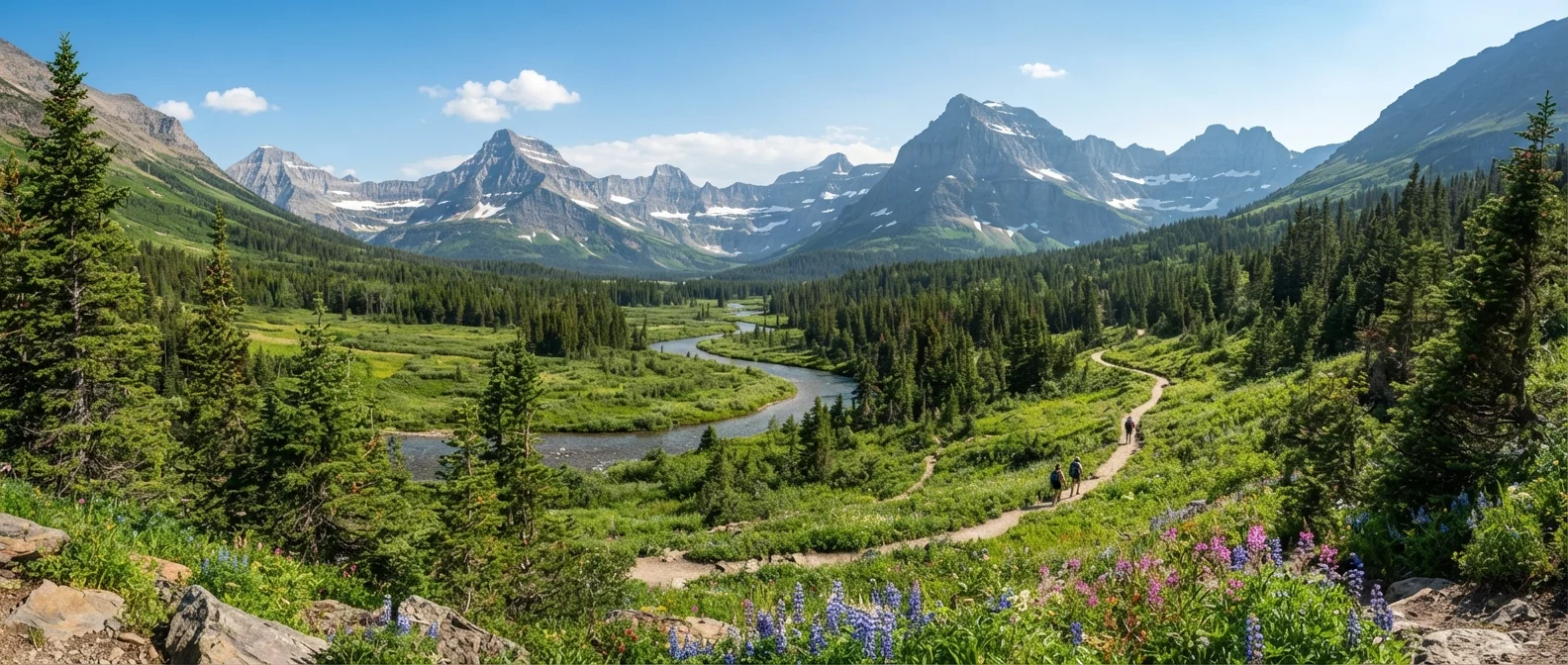
Photo: ReadersChronicle.com | Your Comprehensive Learning Destination editorial
—— In This Article
Key Takeaways
- Many US national parks charge $35 or less per vehicle, and several offer completely free entry year-round.
- The America the Beautiful annual pass ($80) covers entrance fees at all federal lands for one full year.
- Free entrance days occur several times annually at most national park sites - worth planning around.
- Parks in the East and Midwest are often within a half-day drive for a large share of the US population.
- Camping inside park boundaries typically costs far less than nearby hotels and keeps you close to trails.
More Park for Less Money
National parks are one of the most accessible forms of travel in the United States - but "accessible" doesn't always feel obvious when you're comparing gas prices, entry fees, and lodging options. The good news is that the federal park system includes more than 400 sites, and a meaningful number of them combine low or no entry fees with reasonable driving distances from major population centers.
This list focuses on parks that meet two practical criteria: modest or waived entry costs, and geographic placement that keeps them within reach for travelers who can't or don't want to fly. Entry fees listed here reflect general published ranges and can change - always verify current fees at nps.gov before you go. For a broader look at what domestic travel realistically costs, see The Real Cost of Traveling on a Budget in the US.
About Entry Fee Verification
Entry fees, free-day schedules, and reservation requirements at national parks can change from year to year. The figures referenced in this article reflect general published ranges and are intended as planning estimates only. Always confirm current fees, pass acceptance, and any timed-entry permit requirements directly at nps.gov before your trip.
Parks Worth Putting on Your Radar
Shenandoah National Park (Virginia)
Shenandoah sits along the Blue Ridge Mountains roughly 75 miles from Washington, D.C., making it reachable for a large slice of the Mid-Atlantic population without an overnight drive. The vehicle entry fee is $35 for a seven-day pass. Skyline Drive runs the length of the park and offers overlooks without any hiking required, while more than 500 miles of trails - including a long section of the Appalachian Trail - serve those who want to go deeper. Developed campgrounds inside the park provide budget lodging options well below area hotel rates.
Shenandoah is within 75 miles of D.C., making it a genuine day-trip or weekend option.
Cuyahoga Valley National Park (Ohio)
Located between Cleveland and Akron, Cuyahoga Valley is one of the few national parks that charges no entry fee at all. Visitors get waterfalls, forest trails, a historic canal towpath, and a scenic railroad - all free. Because it sits inside a metropolitan corridor, it's accessible without overnight travel for millions of Ohioans and neighboring state residents. The Towpath Trail is flat enough for families and cyclists, widening its appeal beyond experienced hikers.
Cuyahoga Valley charges no entry fee and sits between two major Ohio metro areas.
Great Smoky Mountains National Park (Tennessee/North Carolina)
Great Smoky Mountains is the most visited national park in the country and also one of the few major parks that has never charged an entry fee. That combination is unusual and worth noting plainly. The park straddles the Tennessee-North Carolina border and is within a day's drive for much of the Southeast and Midwest. Waterfalls, old-growth forest, historic homesteads, and reliable wildlife sightings (including black bears and elk) are all accessible on the free road system. Reservations for some areas are required during peak season - check nps.gov ahead of time.
Great Smoky Mountains has no entry fee and draws more visitors annually than any other national park.
Indiana Dunes National Park (Indiana)
Indiana Dunes became a full national park in 2019 and charges no vehicle entry fee. It sits on the southern shore of Lake Michigan, roughly 50 miles from Chicago, giving it one of the most urban-adjacent locations in the national park system. Swimming beaches, forested dunes, and wetland trails are all present in a compact area. For budget travelers in the upper Midwest, this park delivers genuine natural variety without requiring significant travel time or entry cost.
Indiana Dunes offers Lake Michigan beach access just 50 miles from Chicago - and no entry fee.
Congaree National Park (South Carolina)
Congaree protects the largest intact expanse of old-growth bottomland hardwood forest in the Southeast and charges no entry fee. Located about 20 miles southeast of Columbia, South Carolina, it's a realistic half-day drive from much of the Carolinas and Georgia. The park is best known for elevated boardwalk trails that let visitors walk through a cathedral-like canopy above the floodplain. It's less crowded than many better-known parks, which means a quieter experience without competing for campsites or parking.
Congaree's boardwalk trails through old-growth floodplain forest are free and far less crowded than comparable parks.
New River Gorge National Park (West Virginia)
New River Gorge earned national park designation in 2020 and currently charges no entry fee. The park centers on one of the oldest rivers on the continent, with dramatic gorge views, rock climbing, whitewater rafting access, and a wide trail network. It sits in southern West Virginia within driving range of the Mid-Atlantic and Midwest. The park's relative newness means infrastructure is still developing, but that also translates to fewer crowds than longer-established destinations. Keeping daily costs low at destinations like this is easier when camping and self-catering are viable options - and both are available here.
New River Gorge is free to enter, less crowded than older parks, and rich in outdoor activity options.
Plan Around Fee-Free Days
The National Park Service designates several fee-free days each year - typically around Martin Luther King Jr. Day, the anniversary of the Great American Outdoors Act, National Public Lands Day, and Veterans Day weekend. On these days, entrance fees are waived at all fee-charging sites. Checking the current year's schedule at nps.gov and timing a visit accordingly can save $20-$35 per vehicle at parks that normally charge.
Making the Most of Your Visit
Choosing an affordable park is only the first step. Camping inside park boundaries - whether in developed campgrounds or designated backcountry sites - routinely cuts lodging costs significantly compared to nearby motels. Shoulder seasons (spring and fall for most parks) bring thinner crowds, lower campsite competition, and often cooler hiking temperatures.
If you plan to visit more than two or three fee-charging parks in a year, the America the Beautiful Interagency Annual Pass ($80 per vehicle at time of writing) typically pays for itself quickly. It covers entrance fees at all federally managed lands, including national parks, forests, and wildlife refuges. For strategies that work across all kinds of destinations - not just parks - these budget-stretching approaches are worth reviewing before you book anything. And if you're weighing a domestic park trip against an international alternative, this comparison of US versus international budget travel lays out the honest trade-offs.

Travel Editorial Team
Travel Editorial Team is the collective byline for our editorial team and contributor network. Articles published under this byline or an editorial pen name are researched, written, and reviewed according to our editorial standards for clarity, consistency, and independence before publication.
View author profile