
Affordable Coastal Destinations in the American South
Gulf Coast towns and Atlantic shorelines that offer beach access, local food, and lodging without the premium prices of Florida's major resort areas.
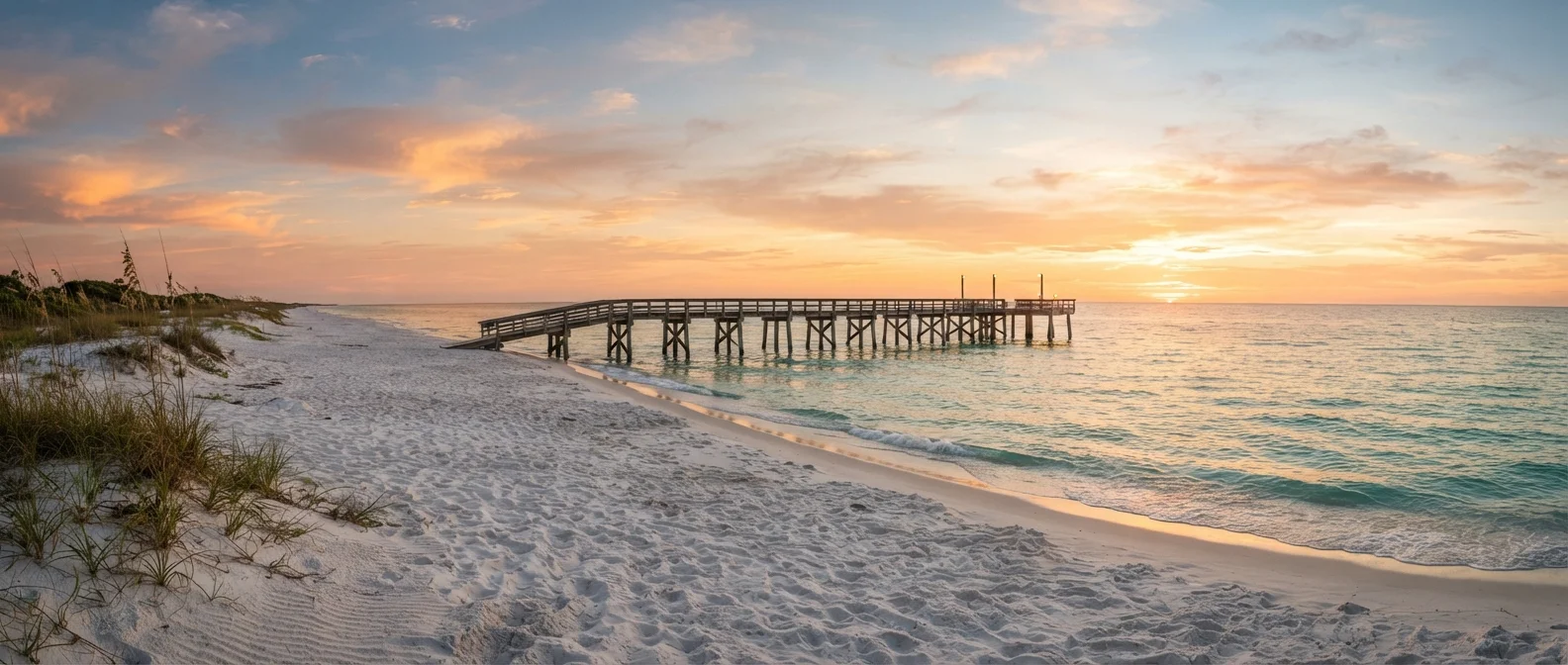
Photo: ReadersChronicle.com | Your Comprehensive Learning Destination editorial
—— In This Article
Key Takeaways
- Several Gulf Coast and Atlantic towns offer genuine beach access without Florida's major resort pricing.
- Off-peak timing and choosing state park beaches over resort beaches can meaningfully reduce daily costs.
- Local seafood markets and short-term vacation rentals are reliable ways to stretch a coastal travel budget.
- Driving distances within the South are manageable, making road trips a cost-effective approach for most visitors.
- Actual costs vary by season, accommodation type, and travel habits - always verify prices before booking.
Southern Coastal Travel Without the Resort Markup
Florida's famous beach towns - Destin, Miami Beach, Key West - deliver on scenery, but their pricing often does not work for travelers watching a budget. The American South has a longer coastline than most people account for, and pockets of it remain genuinely accessible without requiring peak-season resort rates or premium hotel bills.
The destinations below range from Mississippi's Gulf Coast to the Outer Banks of North Carolina. Each offers working-class beach culture, fresh seafood, and public shoreline access. None are secret, but all are measurably less expensive than Florida's top-tier resort markets during comparable periods. For a broader look at what coastal travel actually costs day-to-day, see what budget travel really costs in the US.
Gulf Shores and Orange Beach, Alabama
Alabama's 32 miles of Gulf Coast shoreline consistently draws families looking for Florida-quality beaches without Florida's peak-season pricing. Gulf State Park anchors the area with a two-mile public beach, campground, and cabin rentals - options that cost significantly less than private resort accommodations nearby. The adjacent towns have a dense concentration of vacation rental condos that compete on price, particularly outside July and major holiday weekends. Fresh Gulf seafood is available at working fish markets along the Intracoastal Waterway. Driving distance from Atlanta is roughly four hours; from Nashville, about five.
Alabama's Gulf beaches offer Florida-comparable scenery at meaningfully lower accommodation rates.
Biloxi and the Mississippi Gulf Coast
Mississippi's coast is frequently overlooked, which works in budget travelers' favor. Biloxi has 26 miles of public beach along U.S. 90, and the man-made barrier island beaches are accessible by short ferry. Lodging options range from basic motels to rental houses, and competition keeps prices moderate outside summer peak weeks. The area has a strong local seafood identity - shrimp, oysters, and crab are central - and roadside seafood stands remain common. Note that Biloxi also has a casino hotel market, which creates additional lodging competition and sometimes lower midweek rates.
Mississippi's long public beach strip and competitive lodging market make Biloxi one of the Gulf's more overlooked budget options.
Crystal Beach and Bolivar Peninsula, Texas
The Bolivar Peninsula, accessible by free ferry from Galveston, offers a stripped-down Gulf Coast experience with beach house rentals that run substantially less than comparable properties on Galveston Island itself. Crystal Beach is the main community - there is no resort infrastructure, which means no resort pricing. The beach is open and uncrowded outside major Texas holiday weekends. This is a realistic option for travelers driving from Houston (roughly 75 miles) or San Antonio. Verify current ferry schedules and storm recovery status before traveling, as Gulf Coast infrastructure can be affected by hurricane seasons.
A free ferry ride separates Bolivar Peninsula from Galveston's prices - and the difference in rental costs is real.
Tybee Island, Georgia
Tybee Island sits 18 miles from Savannah and functions as the city's beach - which makes it a practical add-on to a Savannah trip without requiring a separate long drive. Public beach access is straightforward, and the island has a mix of vacation rentals, small motels, and a few larger properties. Rates are more affordable than South Carolina's resort markets, particularly in spring and fall. The island's small year-round community means local restaurants skew toward honest pricing rather than tourist markup. Savannah itself adds cultural and culinary value that extends a coastal trip without adding beach-town costs.
Tybee's proximity to Savannah gives budget travelers two destinations for the effort of one drive.
Outer Banks, North Carolina
The Outer Banks - a chain of barrier islands off North Carolina's coast - offer some of the most expansive undeveloped Atlantic shoreline in the eastern US. Cape Hatteras National Seashore provides free beach access across roughly 70 miles of coastline. Vacation rentals are the dominant accommodation model here, which means costs scale with group size - large houses split among families or friends can reduce per-person costs considerably. The shoulder seasons (May and October) offer mild weather and noticeably lower rental prices than July. This is a longer drive from most southern metros but accessible from the Mid-Atlantic and Southeast without flying.
Cape Hatteras National Seashore's free access and the rental market's scale make the Outer Banks a strong value for groups.
Myrtle Beach Area State Parks, South Carolina
Myrtle Beach itself trends commercial and crowded in summer, but the surrounding state parks - Huntington Beach State Park in particular - offer a different experience. Huntington Beach is consistently rated among the better-preserved Atlantic coast beaches in the Southeast and has campground sites available at state park rates. Murrell's Inlet, just south, is known as a working seafood community with waterfront restaurants that serve fresh catch at prices that undercut the Myrtle Beach strip. Booking state park camping or renting in the quieter communities adjacent to Myrtle Beach rather than in the resort core can make a meaningful cost difference.
Huntington Beach State Park offers protected Atlantic shoreline at campground rates - a strong contrast to Myrtle Beach resort pricing.
How to Keep Costs Down Once You Arrive
Choosing an affordable destination is only part of the equation. A low-cost destination doesn't automatically mean a low-cost trip - habits at the destination matter just as much as where you go. A few consistently useful approaches for Southern coastal trips:
- Cook at least some meals. Vacation rentals with kitchens are common along the Gulf Coast and let you take advantage of local seafood markets, which typically sell fresh catch at retail prices well below restaurant rates.
- Use public beach access points. Every state in this list maintains public beach access, often with free or low-cost parking. Paying for a hotel primarily for beach proximity is frequently unnecessary.
- Travel shoulder season. Late April through early June and September through October offer substantially lower accommodation rates than July or holiday weekends across all these destinations.
Book Vacation Rentals for Groups
Along the Gulf Coast and Outer Banks, vacation rental houses often make more financial sense than hotel rooms for two or more travelers. A three-bedroom house split among four adults can cost less per person per night than a single hotel room, and kitchen access reduces meal costs considerably. Compare total-stay costs including cleaning fees before assuming a rental is the better deal.
For more tested approaches that apply regardless of destination, these budget-stretching strategies hold up across different trip types.

Travel Editorial Team
Travel Editorial Team is the collective byline for our editorial team and contributor network. Articles published under this byline or an editorial pen name are researched, written, and reviewed according to our editorial standards for clarity, consistency, and independence before publication.
View author profile