
Sinking Funds Explained: Saving for Irregular Expenses Without the Surprise
Car registration, holiday gifts, and medical copays don't have to blindside you. Learn how sinking funds smooth out lumpy, predictable costs.
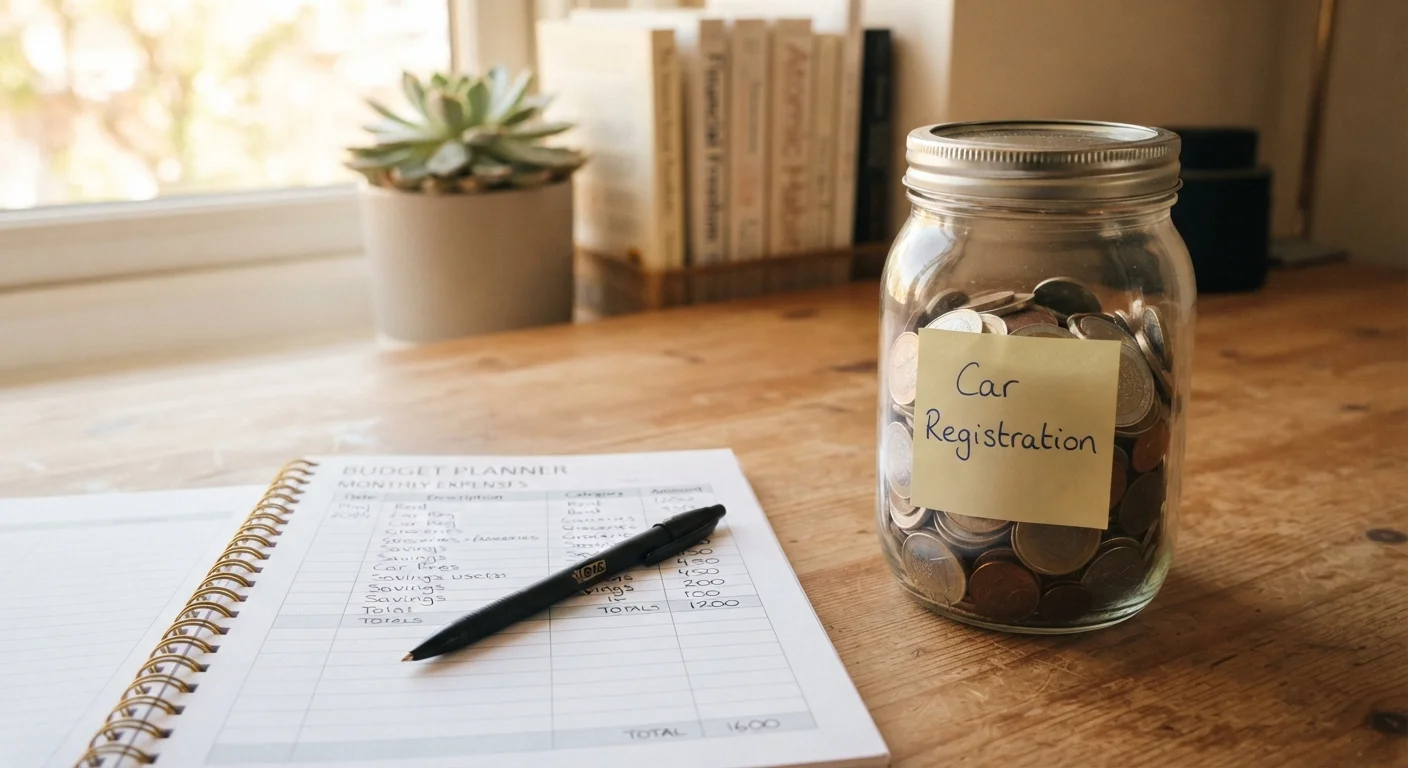
Photo: ReadersChronicle.com | Your Comprehensive Learning Destination editorial
—— In This Article
Key Takeaways
- Sinking funds are for predictable, irregular expenses - not emergencies.
- You divide the total cost by the months until you need it to find your monthly savings target.
- Keeping sinking funds in separate accounts (or labeled buckets) prevents accidental spending.
- Most households benefit from multiple sinking funds running at the same time.
- Sinking funds work alongside - not instead of - an emergency fund.
Why Irregular Expenses Derail Budgets
Most budgets do a reasonable job accounting for the monthly constants - rent, utilities, groceries. Where they quietly fail is with costs that are real and predictable, just not monthly. Car registration arrives once a year. Holiday spending clusters into a few weeks. A dental cleaning happens twice a year. None of these are surprises in the true sense - you knew they were coming - yet they still wreck the budget when they land.
This is sometimes called a "lumpy expense" problem. Your income arrives in a steady rhythm but certain costs don't match that rhythm. Without a plan, you end up either raiding savings, putting the charge on a credit card, or scrambling to cut other spending. A sinking fund is the structural fix for this mismatch.
For a broader look at which irregular costs tend to get overlooked entirely, see budget categories most people forget.
~$1,000
Typical annual car maintenance cost per vehicle
The American Automobile Association has consistently estimated average annual vehicle maintenance costs in roughly this range for typical passenger cars, making it one of the most common irregular household expenses.
$932
Average US holiday spending per person
The National Retail Federation's annual holiday spending surveys have reported average per-person spending in this range in recent years, a cost that's predictable but often unplanned for.
1 in 3
Americans with no dedicated savings for irregular costs
Multiple consumer financial surveys have found a significant share of US adults have little to no savings set aside for non-monthly, predictable expenses, leaving them vulnerable to budget disruption.
How a Sinking Fund Actually Works
The mechanics are straightforward. Identify an upcoming expense, estimate its total cost, count how many months you have until you need the money, and divide. That quotient is your monthly contribution.
Example: You expect to spend $600 on holiday gifts in December. It's currently June - six months away. $600 ÷ 6 = $100 per month. Set aside $100 each month from June through November, and the full amount is ready when you need it.
The key habits that make this work in practice:
- Name each fund. "Car costs" or "annual vet bill" keeps the purpose visible and makes you less likely to dip into it casually.
- Automate the transfer. Move the money on payday before you have a chance to spend it elsewhere.
- Keep funds separate. A labeled savings bucket or a dedicated sub-account prevents the money from blending into everyday spending.
For a deeper look at how sinking funds fit within a broader savings strategy, see how sinking funds fit into a savings plan.
Start With Your Next Known Big Bill
Look three to six months ahead and identify one expense you know is coming - registration renewal, a dental appointment, or a subscription renewal. Calculate what you'd need to save each month to cover it, and open or label a savings bucket for that purpose. Starting with one concrete target builds the habit without overwhelming your budget.
Common Sinking Fund Categories
There's no universal list - your sinking funds should reflect your actual life. That said, these categories come up for most households:
- Vehicle costs: Registration fees, annual inspection, tires, and routine maintenance
- Home maintenance: HVAC servicing, appliance replacement reserves, seasonal upkeep
- Medical and dental: Annual deductibles, copays, glasses or contacts, and scheduled procedures
- Holidays and celebrations: Gifts, travel, hosting costs, and special occasions
- Travel: A dedicated fund prevents vacation spending from landing on a credit card - a useful complement to travel savings strategies
- Annual subscriptions and fees: Insurance renewals, memberships, and software subscriptions billed yearly
If your income varies from month to month, sinking funds can be especially stabilizing. Budgeting on irregular income covers strategies built for that reality.
Sinking Funds vs. Emergency Funds: Keep Them Separate
A sinking fund and an emergency fund are two distinct tools, and conflating them weakens both.
Your emergency fund is a buffer for the unpredictable - job loss, an unexpected medical event, a car breakdown you didn't see coming. It's there precisely because you can't plan for the expense in advance. Sinking funds handle the opposite situation: costs you know are real, you just don't pay them monthly.
Raiding an emergency fund for holiday gifts - or a vacation - chips away at the safety net you need for genuine crises. Keeping the two pools separate protects both. Think of them as working in parallel: the emergency fund behind you as a safety net, sinking funds in front of you as a runway for what you can see coming.
Not Every Savings Goal Needs a Sinking Fund
Sinking funds work best for expenses with a known or estimable cost and a defined timeframe. Open-ended goals - like building long-term wealth or general retirement savings - are handled through different savings vehicles. The Saving & Debt section covers the broader landscape of savings approaches.
This article is for general informational and educational purposes only and does not constitute personalized financial advice. For guidance specific to your situation, consider speaking with a qualified financial professional.
Frequently Asked Questions

Finance Editorial Team
Finance Editorial Team is the collective byline for our editorial team and contributor network. Articles published under this byline or an editorial pen name are researched, written, and reviewed according to our editorial standards for clarity, consistency, and independence before publication.
View author profile